
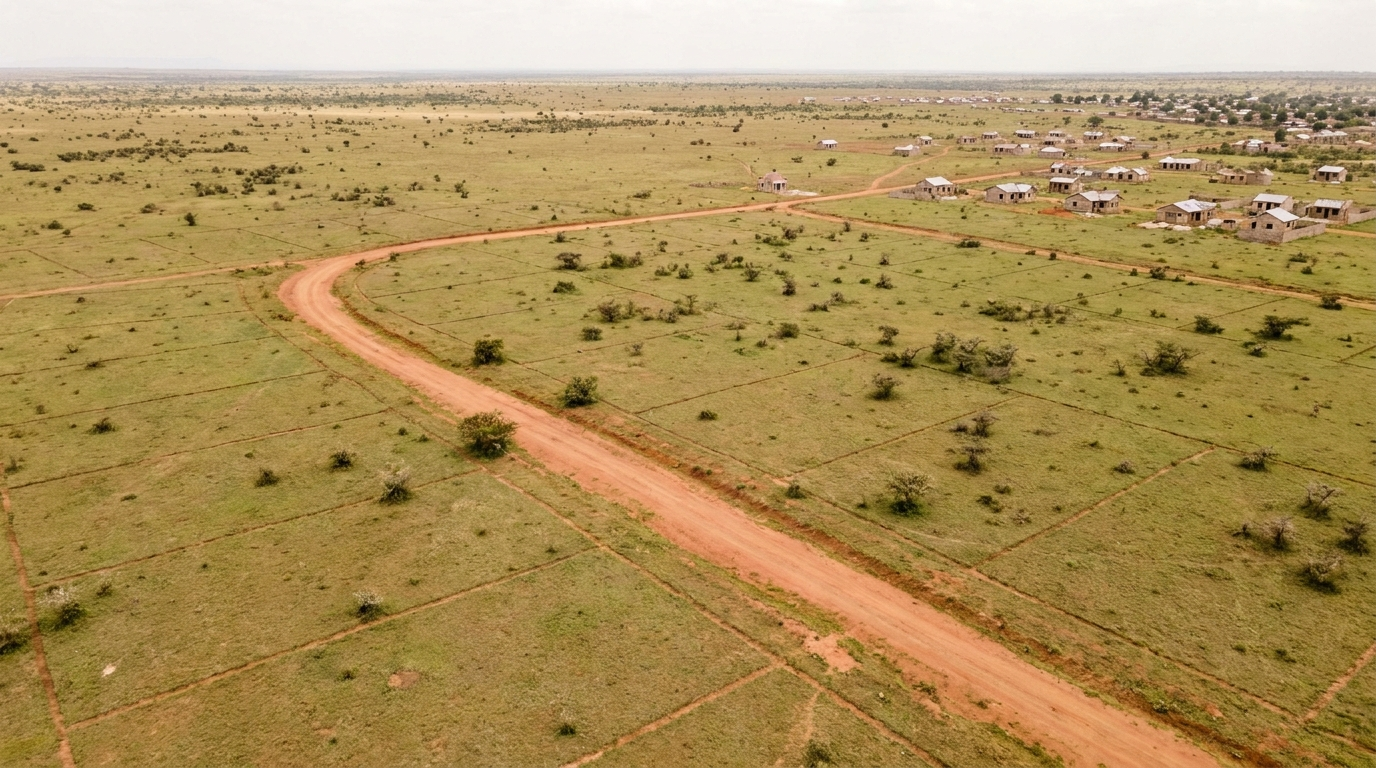
Land is one asset that I would jokingly describe as the ‘Kenyan Dream.’ Regardless of the bad publicity investing in land has gotten over the years, most Kenyans still hold it in high regard. Land rivals the various forms of paper wealth which are pushed to us as being better alternatives. With this in mind, the price of land has been growing day-in day-out and prime areas around towns are no longer within the price range of most Kenyans. This has pushed many people to look for land in satellite town. I often get many inquiries on plots of land under 500K and so I have decided to do a guide showcasing the best areas in this price point.
Why buy the plot in the first place?
Before you buy the plot, knowing the WHY behind your purchase is the most important question you can answer. There are several reasons for anyone to buy land, some of which include;
- Land banking – this is where you buy land to store the value of your money.
- To build on – you could either put up a rental house or your own house.
- As inheritance – as a parent, you might buy the land to pass it down to your children.
Having a good reason before you buy the land will help you in selecting the right areas for you while also helping you weather the downsides of owning land. For example, if you are buying to develop some rental apartments, buying land in an area zoned for residential buildings might not work for you.
Similarly, if you are buying land to leave to your children, then you might be okay with buying a plot in a place where development has not really picked up. In this case, when your child becomes of age, the area’s value will have risen substantially.
Where Such Plots Are Located
Now that you have made up your mind on why you are buying a plot, let us check out some areas that are within the 500K budget. A slight disclaimer is that most of the plots within this price range are often located in developing areas, the reason the land is priced this cheaply is because development has not yet caught up to the area. This gives you a good opportunity to invest before amenities like good roads, sewer and water are brought to the area. Just make sure there are some signs of upcoming development either people already living there or a proposed development nearby.
1. Kitengela (Lenchani, Kisaju)
Kitengela has experienced tremendous growth over the last decade as Nairobi expands southward. Areas such as Lenchani and Kisaju remain relatively affordable while benefiting from improved road infrastructure and growing demand for housing. The region is increasingly becoming a commuter town for Nairobi workers.
Areas in Kitengela with Land Under KSh 500,000
- Lenchani
- Kisaju
- Acacia area
- Noonkopir outskirts
- Isinya border areas
Suitable Uses
- Residential homes
- Rental units
- Gated community projects
- Land banking/speculation
| Advantages | Disadvantages |
| Strong population growth | Water scarcity in some areas |
| Good road connectivity | Traffic towards Nairobi |
| Increasing land values | Some plots lack utilities |
2. Malaa
Malaa is one of the fastest-growing satellite towns east of Nairobi. It has attracted middle-income home builders and developers due to its affordability compared to neighboring areas like Ruai and Kamulu. Residential estates and rental apartments continue to emerge rapidly.
Areas in Malaa Under KSh 500,000
- Malaa interior areas
- Malaa-Kangundo Road corridors
- Developing estate zones
Suitable Uses
- Residential homes
- Rental apartments
- Small commercial developments
| Advantages | Disadvantages |
| High residential demand | Rapid development can strain infrastructure |
| Close to Nairobi | Some roads remain unpaved |
| Growing rental market | Water supply can be inconsistent |
3. Joska
Joska is transitioning from a rural setting into a residential suburb. More families are building bungalows and maisonettes due to relatively affordable land prices and improved accessibility from Nairobi.
Areas Under KSh 500,000
- Ndovoini
- Komarock Shrine
- Joska interior sections
- Kangundo Road outskirts
Suitable Uses
- Family homes
- Rental housing
- Speculative investment
| Advantages | Disadvantages |
| Rapid residential growth | Public transport still developing |
| Affordable land | Utilities not available everywhere |
| Increasing property values | Limited commercial activity |
4. Laikipia
Rumuruti is primarily known for agriculture and ranching rather than residential development. Investors seeking farming opportunities often find large parcels available at affordable prices.
Areas Under KSh 500,000
- Rumuruti outskirts
- Sipili area
- Agricultural zones around town
Suitable Uses
- Farming
- Livestock keeping
- Agribusiness projects
| Advantages | Disadvantages |
| Large affordable acreage | Far from Nairobi |
| Good agricultural potential | Slower land appreciation |
| Suitable for livestock | Limited urban infrastructure |
5. Kithimani
The Kithimani-Yatta corridor offers a blend of residential and agricultural opportunities. The area continues to attract buyers looking for affordable plots near growing trading centers.
Areas Under KSh 500,000
- Kithimani
- Yatta interior
- Katangi vicinity
- Matuu border zones
Suitable Uses
- Residential development
- Farming
- Poultry projects
- Mixed-use investment
| Advantages | Disadvantages |
| Affordable land prices | Limited water in some areas |
| Growing population | Slower appreciation than Nairobi suburbs |
| Suitable for farming and housing | Distance from major employment centers |
6. Ngong
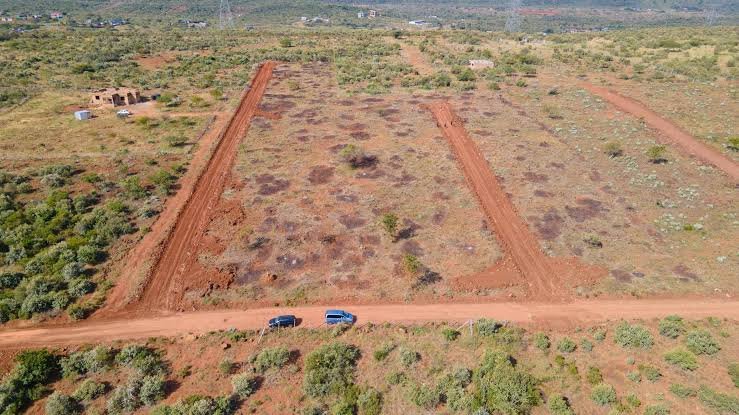
Kimuka lies along the Ngong-Suswa Road and remains relatively affordable compared to central Ngong. Growth has been steady rather than explosive, making it attractive for long-term investors. If you are patient, land prices should go up in future since the area is next to the SGR, recently completed Ngong-Suswa road and electric substation.
Areas Under KSh 500,000
- Kimuka
- Suswa Road corridor
- Peripheral Ngong zones
Suitable Uses
- Residential homes
- Holiday homes
- Speculative investment
|
Advantages |
Disadvantages |
|
Scenic environment of Ngong hills and the rift valley |
Growth slower than Kitengela |
|
Cool climate |
Some areas are sparsely populated |
|
Good future potential if you are patient. |
Public services like water and electricity still expanding |
7. Matuu
Matuu continues to attract buyers due to affordability and increasing economic activity along the Thika-Garissa Highway. The area serves both residential and agricultural investors.
Areas in Matuu under KSh 500,000
- Itikaini
- Sofia
- Matuu outskirts
- Kithimani border zones
Suitable Uses
- Residential homes
- Farming
- Commercial shops
| Advantages | Disadvantages |
| The areas is easily accessible to the Highway | A long distance from Nairobi |
| Affordable plots | Limited urban amenities |
| Strong agricultural potential | Slower rental demand |
8. Konza
Konza’s appeal comes from its proximity to the planned technology city. While areas immediately adjacent to Konza have become expensive, some surrounding locations still offer affordable investment opportunities.
Areas in Konza under KSh 500,000
- Malili outskirts
- Katumani sections
- Konza periphery
Suitable Uses
- Land banking
- Future residential development
- Commercial projects
| Advantages | Disadvantages |
| Strong long-term potential should Konza City reach its potential | Highly Speculative investment |
| Government-backed development nearby so infrastructure is sorted | Development depends on the governments goodwill |
| Growing investor interest both locally and internationally | Limited current demand in the area, as most of it is manufactured |
9. Kikuyu
Kikuyu is one of the most established satellite towns around Nairobi. Affordable land is generally found farther from the town center in areas like Nachu, Ndeiya, and Mukuiyuni. The area has slowly grown from a rural area to one of Nairobi’s satellite towns that houses people working in nodes like Westlands and Waiyaki-Way.
Areas Under KSh 500,000 in Kikuyu
- Nachu
- Ndeiya
- Mukuiyuni
- Interior rural sections
Suitable Uses
- Residential homes
- Farming
- Long-term speculation
| Advantages | Disadvantages |
| Close to Nairobi than most satellite areas | Affordable plots are farther out in the interior parts |
| Developed infrastructure | Some areas have difficult terrain which makes accessibility & construction complicated |
| High demand for housing especially from the young urbanites and remote workers | Land prices are rising rapidly, making the area out of reach for most Kenyans. |
10. Thika Area
Ngoliba lies along the Thika-Garissa Highway and has gained popularity among investors seeking affordable plots. The area remains largely undeveloped but shows promise due to improved accessibility.
Areas Under KSh 500,000
- Ngoliba town outskirts
- Highway frontage sections
- Agricultural zones
Suitable Uses
- Farming
- Residential homes
- Commercial roadside businesses
| Advantages | Disadvantages |
| Affordable pricing | Limited infrastructure |
| Good road access | Low population density |
| Agricultural opportunities | Utilities may be unavailable |
11. Kilimambogo
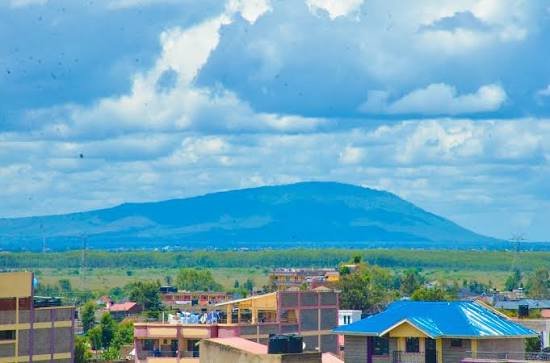
The Kilimambogo region offers scenic surroundings and relatively low land prices. It appeals to investors looking for future growth opportunities outside the crowded Nairobi metropolitan area.
Areas Under KSh 500,000
- Kyeleni
- Kilimambogo foothills
- Interior agricultural areas
Suitable Uses
- Residential homes
- Farming
- Holiday retreats
| Advantages | Disadvantages |
| Scenic environment | Limited amenities |
| Affordable land | Slower appreciation |
| Low population pressure | Fewer employment opportunities nearby |
12. Juja Farm
Juja Farm remains a favorite among first-time land buyers due to its affordability and proximity to the larger Juja and Thika growth corridors. Most buyers purchase land specifically for home construction.
Areas Under KSh 500,000
- Athi area
- Juja Farm interior
- Gatundu Road corridor sections
Suitable Uses
- Residential homes
- Rental houses
- Small-scale farming
| Advantages | Disadvantages |
| Close to Juja and Thika | Infrastructure varies by location |
| Strong residential demand | Some plots have access road challenges |
| Good appreciation potential | Utility connections may take time |
What Do you need to check before buying?
- Make sure the plot has a clean title deed free from any charges and encumbrances.
- Carry out a search at the relevant Ministry of Lands registry to ensure the legitimacy of the seller.
- Check for hidden costs such as legal fees and land sub-division costs which might make your purchase price go up.
- Always make sure that there are signs of development in an area before you buy. Indicators like government investment in the area is a strong signal.
- Buy in an area that you can periodically visit to check on your land. For a person living in Nairobi, it doesn’t make sense for you to buy land in a place like Kilifi.
- If you want to buy the land and don’t have the full amount, I would advise that you use a credible land buying company that will allow for installment plans.
- Check the gazette use of the land. You might buy agricultural land cheaply only to cost you more money when converting its use to a residential piece.
Frequently Asked Questions
Where is the cheapest land in Kenya?
The cheapest land in Kenya is generally found in remote counties in parts of Kitui, or Isiolo, where demand and infrastructure are relatively low.
Why is land in Malindi so cheap?
Land in Malindi is often cheaper because of an oversupply of plots in some areas, poor infrastructure, and lower demand outside prime tourist locations.
Where is 1 acre of land the cheapest?
One acre of land is typically cheapest in remote rural regions such as parts of Kitui, where prices can start from under KSh 100,000.
How much is a 50 by 100 plot of land in Kenya?
The price of a 50 × 100-foot plot in Kenya varies by location but typically ranges from about KSh 150,000 in rural areas to over KSh 50 million in prime urban neighborhoods.
Can 500k build a house in Kenya?
Yes, KSh 500,000 can build a modest, basic house, although the size, quality of finishes, and location will significantly affect what is achievable.
How many 50 by 100 plots are in an acre in Kenya?
An acre contains approximately 8 plots measuring 50 × 100 feet, but we typically create 7 plots with the 8th one being road reserves.
How much is 1-acre land in Kenya?
The cost of one acre of land in Kenya ranges from under KSh 100,000 in remote areas to hundreds of millions of shillings in prime locations such as Nairobi and its suburbs.
How much of an acre is 50×100?
A 50 × 100-foot plot is approximately 0.115 acres (about one-eighth of an acre).