A secure place is the second most sought after factor after rent prices in Nairobi for renters. In fact, most of the house-hunts we do for our clients, one of the most asked question is always, “is the area safe?” And I get it, security affects a lot of things in a person’s life. It will affect the time you can comfortably leave or arrive home. It affects your peace of mind and if you have children – sending them to run errands becomes a risky affair.
We are finding out that tenants prefer a not-so good apartment with security rather than a modern place with poor security. Overtime, here at Kejafinder we have been documenting the safest places to live in Nairobi. Along with common crimes and the factors contributing to the levels of security. In this blog, we share this information with you, so that you can make more informed decisions.
Factors affecting security of an area
In 2024, Nairobi recorded about 9,700 reported crimes which was 10% of the national crime rate. However, Nairobi is quite extensive and different areas contributed differently to these figures. Many people often think that the higher the rent you pay, the safer the place is. Or richer neighborhoods have less crime than lower-income areas. This is partly true, and only a small part of the bigger picture. In reality there are more severe factors that contribute to insecurity in a place than the income-level.
a. Human traffic & Movement
The more the people and activities in an area, the higher the risk of crime. This is because large crowds present a cover for criminals who can easily steal and blend in the crowds. Moreover, busy places lack restrictions and are accessible to anyone including criminals. Places like Nairobi CBD or River road tend to be crime hotspots because of the high movement of people.
B. Access control (Gated Vs. Open)
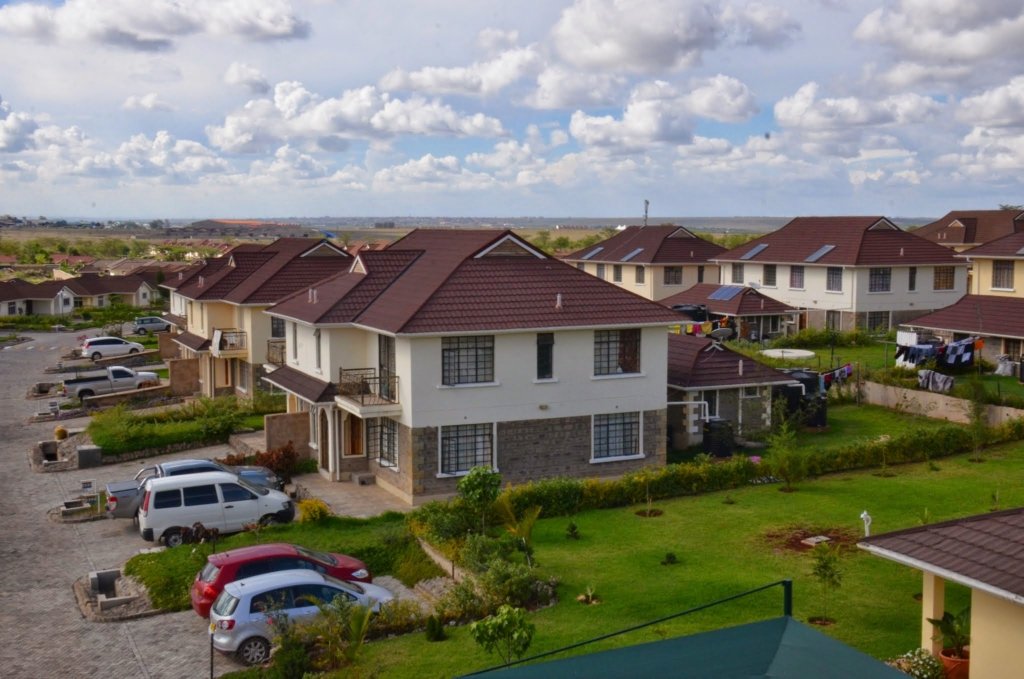
Gated estates score better in safety because people moving in and out of the area are controlled. Most criminal activities happen in open and public areas. So if you are looking for a safe place to move into going for a gated estate or an apartment with manned access could help you out. This is why most people are beginning to move towards areas with controlled access. Estate like Great-wall in Syokimau are always on demand for this reason.
c. Transient populations
Places with transient population such as Airbnbs, students or short-term renters pose a huge crime risk. This is because the people accessing such areas are “passer-bys” and have no incentive of promoting security. Moreover, it is hard to track them once something happens. So while an area like Kilimani might be high-end, the presence of “short-term” stays contributes to insecurity . Parents looking for houses are always concerned with Airbnbs as the presence of strangers puts their children at risk.
d. Urban Form
Densely populated parts of Nairobi like informal settlements tend to also have high crime rates. This is worsened by poor infrastructure like lack of street lights that gives a cover of darkness to thieves. So if you are looking for a safe place, check for well accessibe areas with good street lighting. Good access in the form of passable roads allows police patrols to move around and are less likely to be inhabited by criminals.
Highly Secure Areas
1. Runda
The fact that Runda is in a diplomatic blue zone should already speak for itself. Many UN workers live in this area because of the security that comes with it. Runda shares similarities with Karen when it comes to the residents that both areas attract. Majority of the estates are also gated with manned access and security companies patrolling. Motorbikes and matatus are also not allowed in some pockets which makes them even safer.
2. Karen
Karen is a very secure and exclusive area. That is why politicians, A-list celebrities and company executives love the area. The lack of PSVs and public areas around the residential parts of Karen make it difficult for anyone to just walk in. The security is boosted by the fact that many individuals can afford private security guard.
3. Lavington
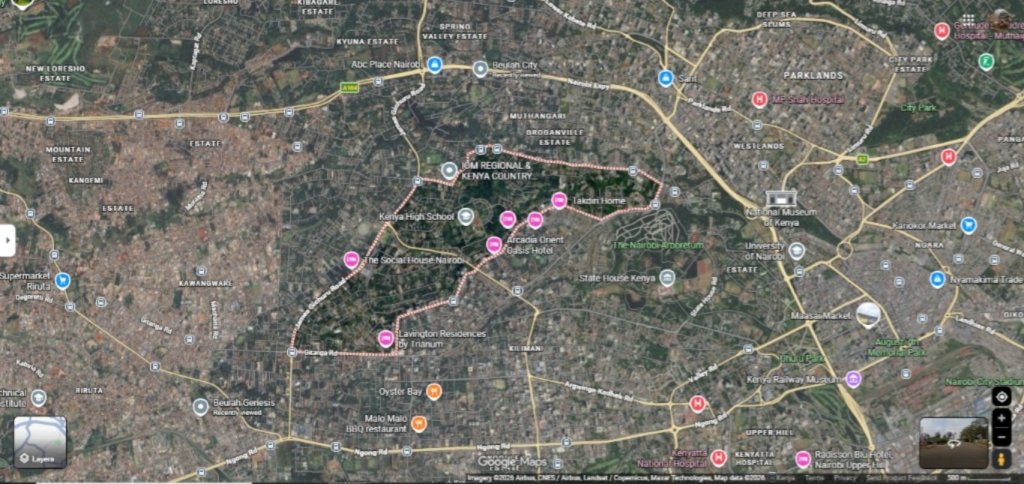
Lavington is an upper middleclass area near Westlands and the likes. However, the area beats Kileleshwa, Westlands and Kilimani because of the fact that it has managed to retain its exclusivity. Unlike the neighboring estates, Lavington is not along any high-traffic transit route. This reduces, PSVs and pedestrians in the area and ensures only those that need to be in the area, are the ones in the area.
4. Kahawa Sukari
The low density residential part of Kahawa Sukari with gated communities is one of the most secure areas. Areas like Bungoma Road, Kericho Road, Marsabit Road are enclosed from pedestrian access. The presence of security guards at the entrances also reduces the chances of anyone coming in and out. As a result, families and highly earning professionals often love places like these.
5. Langata
Langata is another highly secure estate. Similar to Kahawa Sukari, it comes with controlled movement and a family-oriented vibe. There are some pockets that are still insecure, especially where markets and businesses are found. Moving into an apartment with controlled access or a gated estate reduces this.
6. Syokimau
Syokimau attracts a certain group of people that by default are attracted to security. Groups like retirees, families and high-income professional move to Syokimau because of security. This immediately qualifies the area as a secure haven for anyone who prioritizes this factor when looking for a home. The most secure parts of Syokimau are the standalone estates that are a bit further away from the main road. Most come with security guards and permanent residents reducing insecurity. If you are looking for an apartment, go for those with manned access like Great-Wall or Sun-park.
| Reasons for Security | Risk Factors |
|---|---|
| 1. Gated estates with strict access control and manned entrances | 1. Targeted theft due to visible affluence |
| 2. Low human traffic and limited public transport access | 2. Insider threats (guards, domestic staff, contractors) |
| 3. Residents who can afford private security | 3. Sophisticated, pre-planned break-ins |
| 4. Good infrastructure (lighting, roads) enabling patrols | 4. Complacency among residents |
| 5. Limited commercial activity & restricted public access | |
| 6. Strong community groups |
Moderately Secure Areas
7. Kilimani
Kilimani is an up-scale suburb located 6 Km to Nairobi CBD. It is part of Nairobi’s upper middleclass areas that attracts high income earners. Developers noted this opportunity and have been building high rise apartments everywhere in a bid to get a share of the market. A good number of investors who have bought units in Kilimani prefer to turn them into Airbnbs which increases the security risk. This coupled with the nightlife and foreigners has made Kilimani quite unsafe despite being a high-income area. Months barely go by without hearing of a murder in this part of Nairobi.
8. Westlands
Westlands has experienced rapid growth in the last 10-years to become a residential & commercial hub. So much so that people are now dubbing it a city-within a city. This very reason has come with its share of advantages and disadvantages. Westlands is no longer as exclusive as it used to be, nowadays, anyone can access Westlands. The area is also home to countless small and big companies; which attracts a working population that is the target of petty thefts like phone snatching.
Back in 2022, some areas in Westlands were announced as crime hotspots. Especially those next to transport corridors like the expressway. Moreover, Westlands has witnessed two of the most horrific terror attacks. The DusitD2 attack in 2019 and Westgate attack of 2013. If you want a secure place in Westlands, look around for apartments that are in secluded pockets with manned access.
9. Kileleshwa
Kileleshwa is a more mature alternative to Kilimani for families and people who want a slower pace of life. However, the presence of Airbnbs has contributed to several security incidents. Though not as prone to crime as Kilimani, the area has been associated with high profile crimes like gold scams which reduces its appeal. However, the larger part of Kileleshwa remains very safe. If you want a secure place, look for older apartments which don’t have Airbnbs. Or those with fewer tenants who are there longterm.
10. Parklands
Parklands is evolving from a traditional “Asian-dominated” neighborhood to a high density suburb. The area was home to individually owned townhouses and bungalows. However, with demand for housing increasing, many lots have been sold and are now being converted to apartments. What makes Parklands moderately secure is its proximity to Ngara and CBD. Ngara being next to down town is quite insecure.
Several areas in Ngara are marked as hotspots and these crimes often spill over to Parklands. Moreover, the city park in the area plus public markets, makes the place too accessible to the public. The proximity to CBD also makes it worse as the chaos from demonstrations sometimes ends up reaching Parklands. If you are looking for a safe place, check in gated estates and make sure they come with secured access.
11. Ruaka
Ruaka has also been witnessing a lot of growth, majorly because it lies at a very strategic point where the Northen Bypass connects to Limuru road. It has grown from a rural town center to an urban center that is now commanding rents that rival Ngong Road. That said, there are still some areas in Ruaka that make it unsecure. Firstly, places next to Ruaka town which are accessible to anyone make it prone to petty crimes like phone snatchings. Similarly, the area near the underpass in Ruaka has seen rapes, murders and violent thefts. So if you are looking for a secure place, I would advise checking for modern apartments with secured access. Also avoid renting near crime hotspots like the Underpass.
| Reasons for Security | Risk Factors |
|---|---|
| 1. Apartments with guards and some level of access control | 1. High human traffic creates anonymity for criminals |
| 2. Proximity to commercial hubs and workplaces | 2. Petty theft (phone snatching, muggings) |
| 3. Mixed-use developments with surveillance presence | 3. Transient populations (Airbnbs, short-term stays) |
| 4. Decent infrastructure (lighting, roads, accessibility) | 4. Spillover crime from nearby hotspots |
| 5. Active economy with businesses operating day and night | 5. Increased exposure to strangers and non-residents |
| 6. Availability of gated or secluded residential pockets | 6. Opportunistic crime rather than planned attacks |
Frequently Asked Questions
-
Where is the best place to live in Nairobi? The best place depends on your priorities and budget, but areas like Lavington, Karen, and Runda offer a strong balance of security, amenities, and quality of life.
-
What is the safest area in Nairobi? Runda is widely considered the safest due to its diplomatic presence, controlled access, and high level of private security.
-
Which is the cheapest place to live in Nairobi? More affordable living can be found in areas like Kasarani, Ruaka, and Embakasi, where rent is relatively lower.
-
Where to start life in Nairobi? Young professionals often start in accessible and moderately priced areas like Kasarani, Ruiru, or Embakasi.
-
Which areas should I avoid in Nairobi? It’s best to be cautious in high-traffic or poorly lit areas, especially parts of Nairobi CBD, Ngara, and certain sections of slums known for crime incidents.
-
What are the crime hotspots in Nairobi Crime hotspots are typically high-movement areas like River Road, sections of Westlands near transport corridors, areas of Eastlands and parts of Ngara.
-
What is the poorest part of Nairobi? The poorest areas are generally informal settlements such as Kibera and Mathare, which face challenges like high population density and limited infrastructure.