Now that we are aware of the various roofing materials and the cost breakdown of doing roofing in Kenya, it is only prudent that we discuss the various choices of roof designs. The many designs are due to the different shapes, the angle of the roof, and also the builder’s choice. Obviously, your choice of roof will vary depending on your budget and the expertise available. Some designs require more framing and materials and hence are more expensive, while others are simple and require less skill, making them affordable. In this blog, we are going to be discussing the various types of roof designs as well as factors to consider when choosing them.
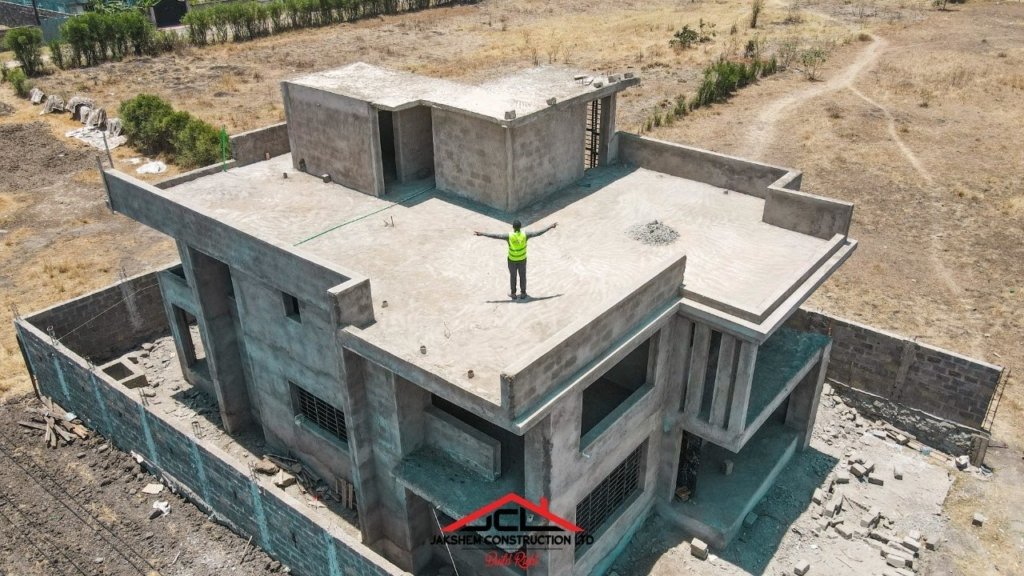
1. Flat Roofs
Flat roofs have been quite a popular choice in Kenya for some time now. It is typically a concrete slab that serves as the roof. A flat roof provides an advantage for people building on smaller lots, such as 40 x 80 and below, by allowing them to recover more functional space that their house occupies. You can use the space as a lounging area or an event space, provided you have stairs leading up there.
Despite their popularity, they are quite expensive, especially when you are concreting. Moreover, if you don’t create provisions for drainage or waterproof thoroughly, you risk experiencing leakages. This makes the roof costly to maintain.
I typically recommend using waterproofing agents during the construction. If you find waterproofing agents expensive, terrazzo is another slightly better option. Also, ensure the roof slopes slightly so it can easily drain the water. A recommended minimum of 2% would work well.
Advantages
Disadvantages
Easy to construct
Expensive when concreting
Can bear the weight of solar provisions and water tanks
Requires regular maintenance
Keeps your internal rooms relatively cool unlike Mabati
Can leak or make rooms beneath cold
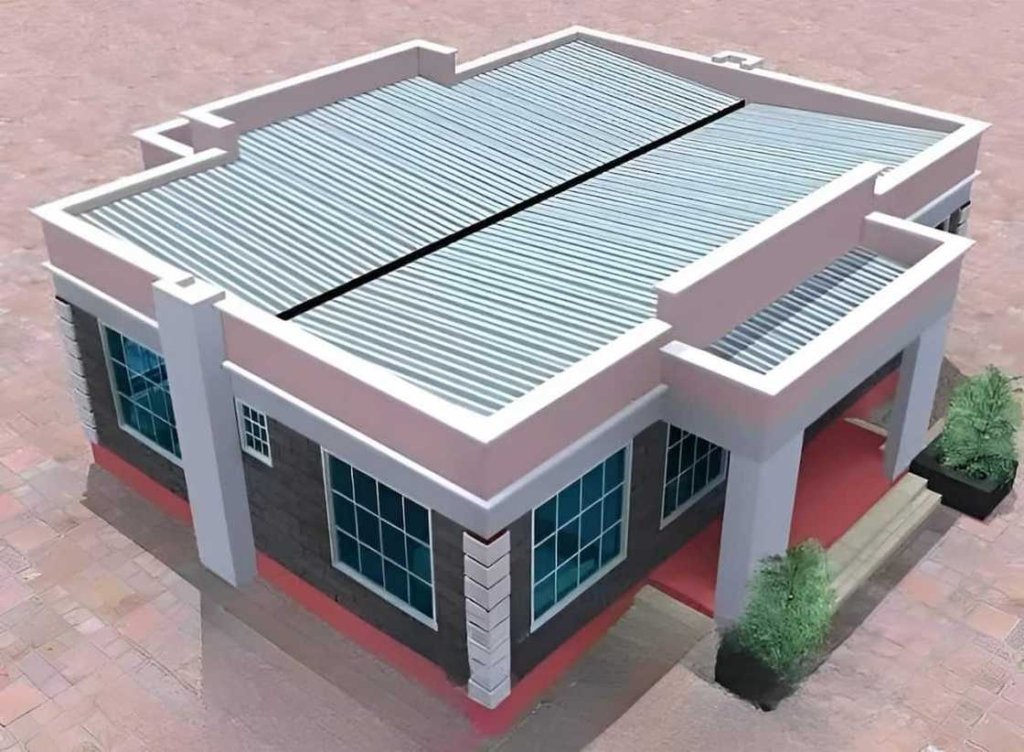
2. Hidden Flat roof
A hidden flat roof is a type of flat roof that uses iron sheets rather than reinforced concrete. For those who are not familiar, reinforced concrete is simply concrete cast with iron bars. What most builders do is raise the stone wall along the edge of the house, or what we call a parapet wall. However, where the roof surface is, framing is installed, and then iron sheets are attached.
From the outside, it appears like a flat roof because the Mabati is hidden by the raised exterior wall. This roof is common for people who want the elegance of a flat roof without having to incur the heavy concreting cost. Aside from aesthetics, it is one of the most demanding roofs in terms of maintenance. Many people who have installed it have complained of severe leakage, especially when the drainage gets blocked.
For this type of roof to serve you well, you need to get the drainage right. I recommend, firstly, using quality roofing sheets. Many people tend to use low-quality iron sheets because they are hidden, but this is costly in the long run. Secondly, make sure the roof drains to a well-constructed gutter that is waterproofed.
Advantages
Disadvantages
Cheap to install
Prone to leakage
Gives the flat roof aesthetics
Requires regular maintenance
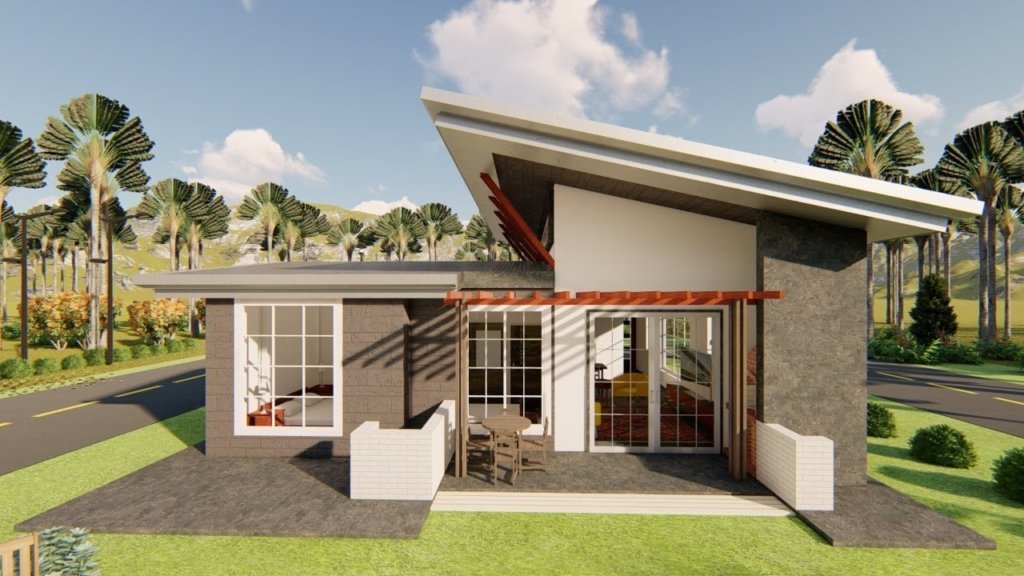
3. Skillion or Shed roof
A skillion roof consists of the roof slanting in one direction. This shape makes it look aesthetically pleasing and simple. If you are a minimalist, then this is for you. If you are roofing on a budget, then I would highly recommend this type of roof, as it is easy to construct, looks neat, and uses fewer materials.
Advantages
Disadvantages
Relatively affordable
Due to the sloping surface, access is a bit hard for repair
Provides high ceilings that make the house airy and lit
If done wrongly, it can leak
The sloping surface is good for mounting a solar panel
If you are in a very windy area, this roof can be vulnerable to high winds
Drains easily
Modern look
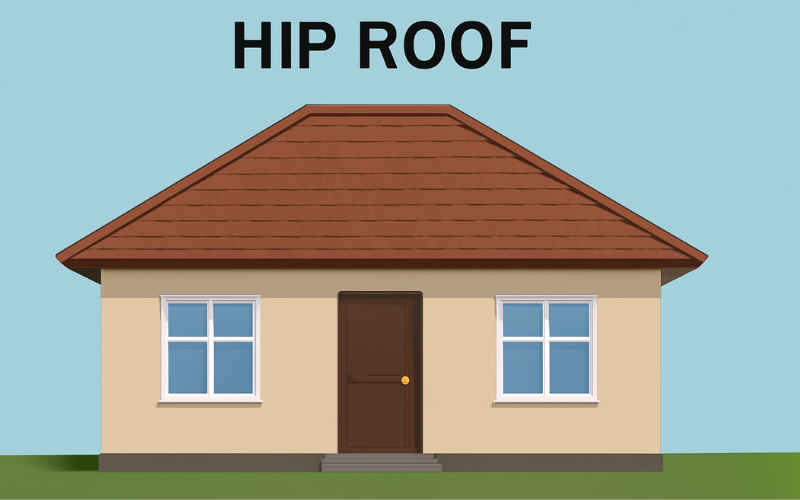
4. Hip Roofs
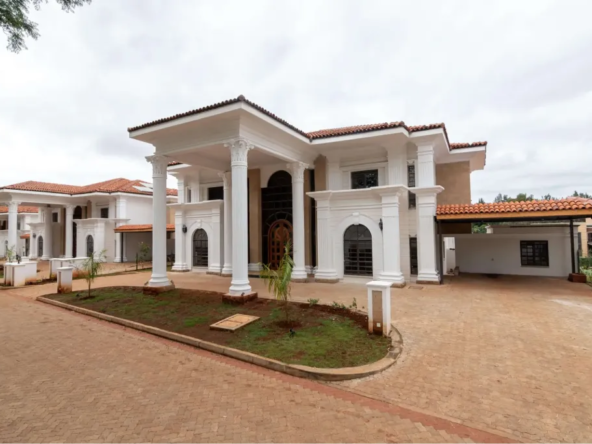
A hip roof is a roof design with four sloping sides that meet at a central peak or ridge. It differs from the gable roof, which has only two sloping sides and vertical walls on the other two sides. The hip roof is a very common type of roof in most residential areas. Moreover, it is quite strong and well suited for windy and rainy areas. With such a roof, you can hardly have drainage issues.
It is, however, slightly more expensive due to the complex roofing structure that requires more framing and more material. It also demands a bit more skill, and so fundis will charge you more.
Advantages
Disadvantages
Aesthetically pleasing
Expensive to construct
Durable
Limited attic space
Drains water easily
5. Gable Roof
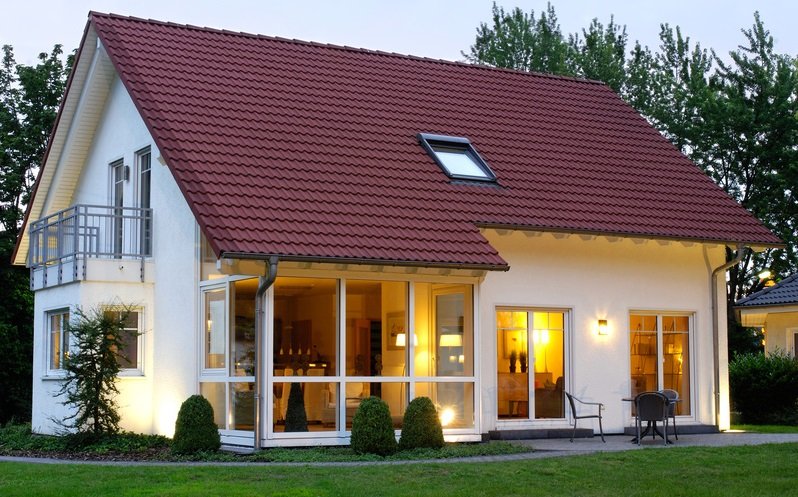
A gable roof is a design with two sloping sides. Majorly on the longer span of the building. The other two sides have walls connecting to the roof. It is a classy roof design that never goes out of style, but owing to its pitch/slope, it can be hard to access for cleaning and maintenance.
It is common in most residential houses and is a bit cheaper than the hipped roof. However, it still is expensive, as it requires more framing for the design.
Advantages
Disadvantages
Drains easily
Can be costly if you are on a budget
Attic space is conserved
Less space on the top floor
Slanted surfaces can hold solar panels
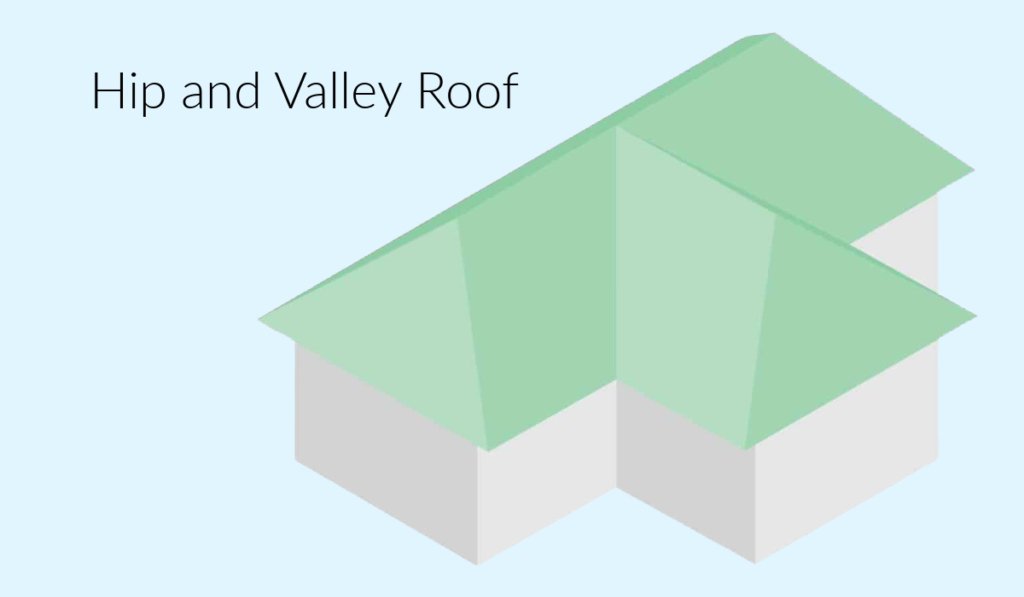
6. Hip & valley roof
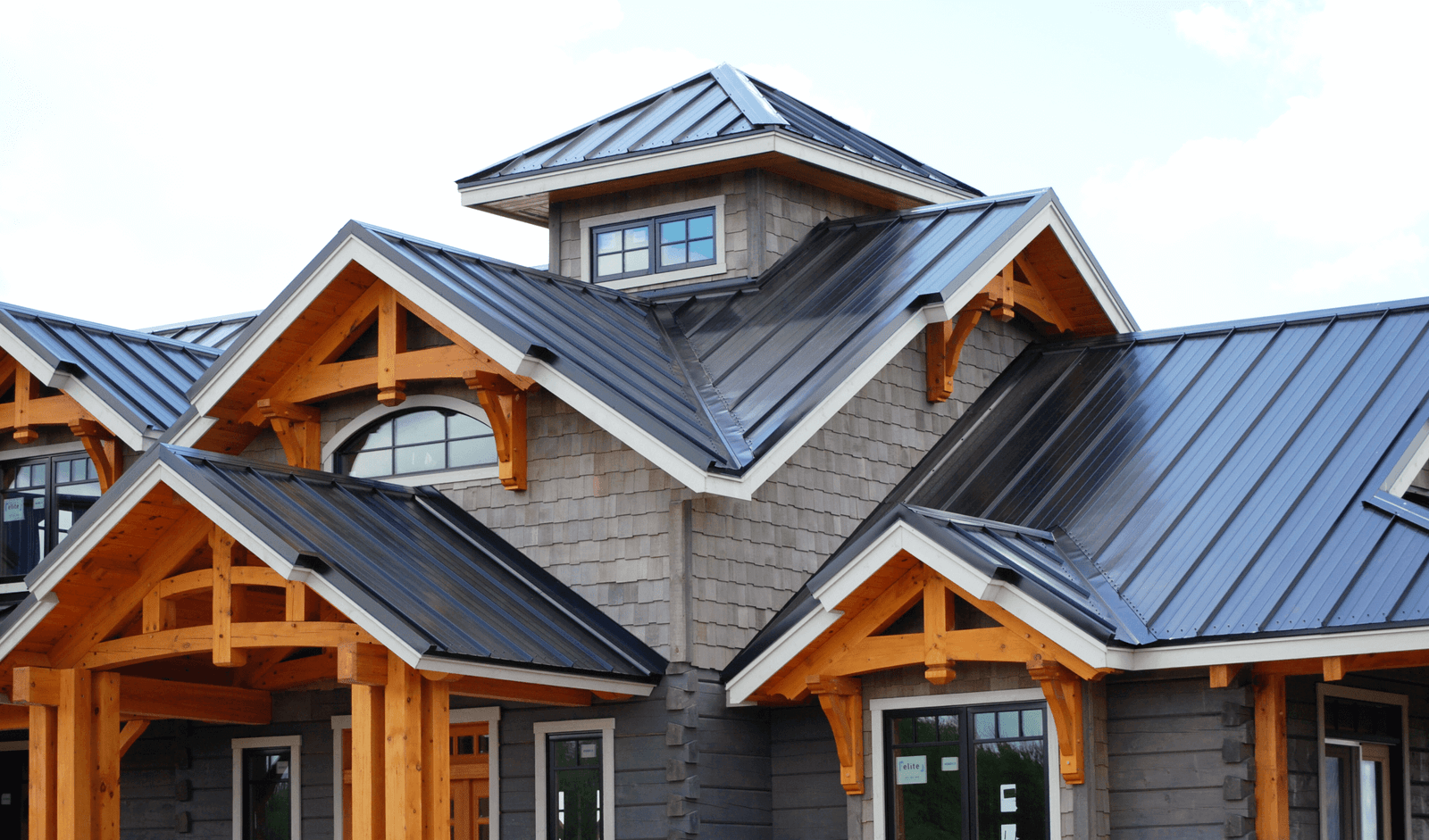
This one is for those who don’t want to spare any expense for aesthetics and functionality. If you are roofing a quite large house with a T or L shape, this type of roof is for you. It is the most expensive due to the complex design that consumes a lot of roofing materials when cutting and fixing them.
Advantages
Disadvantages
Strong wind resistance
Higher construction cost
Excellent drainage
Reduced attic space
Very stable structure
Prone to leaks at seams/valleys
Modern, appealing look
More complex to build
Factors for Choosing your roofing design
i. Cost of Roofing
The cost of the roof design is one of the most important factors to consider. Everything in construction is only available at certain price points. So if you are roofing on a budget, a roof design like the hip and valley roof might not be the best option for you. The key here is to be honest with yourself and make a decision that is economic for you. I have seen people try to outshine a neighbor’s roof only to end up stuck midway; don’t be that type of person.
II. Environmental conditions
Your roof is the first defense against harsh weather conditions. Be it wind, heavy rain, or the scorching sun, your roof will be 100% exposed throughout. For this reason, you must make sure your roofing design matches the environmental conditions you are in. If your house is in a rainy area, then a hidden flat roof might not be the best choice for you; instead, a gable or hip roof that easily drains rainwater may serve you best.
Similarly, if you are in a windy environment, you will definitely need a structurally sound roof. Options like the gable roof might really come in handy.
III. Aesthetics
This is the beauty of your roof. As it is said, beauty lies in the eyes of the beholder, and so this factor is very personal. The only thing I can advise you on is just make sure the roof you are choosing addresses the most important factors, like cost and suitability to the environment. While aesthetics are important, they should not be prioritized over the main factors mentioned above. Because, what good would a beautiful roof do if it is not within your budget or is constantly leaking?
IV. functionality & utility
Aside from looking attractive, does the roof actually serve the purpose? If you plan to install utilities such as solar panels and heaters on your roof, is it capable of supporting their weight adequately? Functionality is a very important factor to consider when selecting your roof; always make sure the design choice can work with your intended needs.
v. Architectural style
The cohesiveness of your roof with your architectural style is crucial. As a real estate advisor, the architectural appeal of your building does have an impact on your sale price. Ensuring that your roof and building are speaking the same language in terms of architecture can really go a long way in boosting the value of your home.