

I have spoken to many landlords in Nairobi who keep on reiterating one common problem when we meet. The issue normally goes to the tune of, “the rental business isn’t profitable” or “my tenants are always moving out.” Most of these issues and complaints are symptoms of a larger problem called high tenant turnover. In simple words, this is when many tenants move in and out of your property in larger numbers over the course of time.
For instance, you have 20 tenants and in one year, 10 tenants move out. The turnover rate for your property would be (10/20) x 100 = 50%. So why is this a big and stressful issue for landlords? It goes down to the reason most people are sold the idea of investing in rentals and that is how passive the business is. Most landlords assume you just build and expect cash at the end of each month. So when most tenants begin moving out they panic or come to the conclusion that the business is not profitable. In this guide, I will be showing you some of the reasons your tenants are leaving, as well as how you can reduce this.
Why Tenants are leaving your Units
1. Poor property maintenance
One of the biggest reasons tenants vacate units is poor maintenance of the property. This normally looks like, dirty common areas e.g., stairs, balconies and rooftops. Piled up garbage in the trash bins, leaking fixtures like taps, toilets etc. A poorly maintained property makes tenants want to seek out better alternatives. This makes them end up moving out in large numbers. Remember that your tenants are people too, and most people want to be associated with good things. Living in an “un-kept” property makes them look bad in the eyes of guests and friends.
2. Unprofessional Agents
When doing house hunts for tenants, one common question we are asked is, “Does the property have an agent?” The truth is that many agents have in the past acted in a manner that puts the industry to shame. Whether it is through harassment, lying to tenants, inhumane evictions, most tenants dislike properties managed by unprofessional agents. So before you get an agent for your rentals, always ask around for their reputation. These days you will easily find their ratings online or by just asking around. An agent typically represents you as the owner. So it they act in a bad way, your tenants assume it is you and are likely to move out in large numbers.
3. Lack of Tenant screening
There are very few landlords in Kenya who do tenant screening. That said, tenant screening is the process of evaluating prospective tenants to assess their ability to pay rent and maintain your property. In Kenya, the lack of a formalized tenant database has made it difficult to do screening. However, there are a few questions you could ask to gauge their suitability;
- Why are you moving _____________________?
- What is your monthly income ____________________?
- How many people do you live with________________?
At the end of it, you should have a somewhat clear picture of who the prospective tenant is. You should also be in a good position to understand if they will be able to afford rents. In more serious countries, they even ask for pay slips or bank statements to ensure the tenant can keep up with rent obligations. Care should be taken to avoid questions that may in any way discriminate tenants as this is a constitutional violation.
4. Inherent property issues
Another big reason tenants move out is inherent defects in a property. This might be the hardest one to fix as most times, the issues are permanent. However, it gives you as a landlord an opportunity to scout for a suitable plot before building. If you build in a place that is noisy, eg., next to school or a place that floods when it rains, then it becomes difficult to reverse this. The effects of a bad property decision live with you forever. That is why you may need professional help before buying any land for development. This helps you to map out and understand the risks that come with the land parcel.
5. Poorly Constructed Units
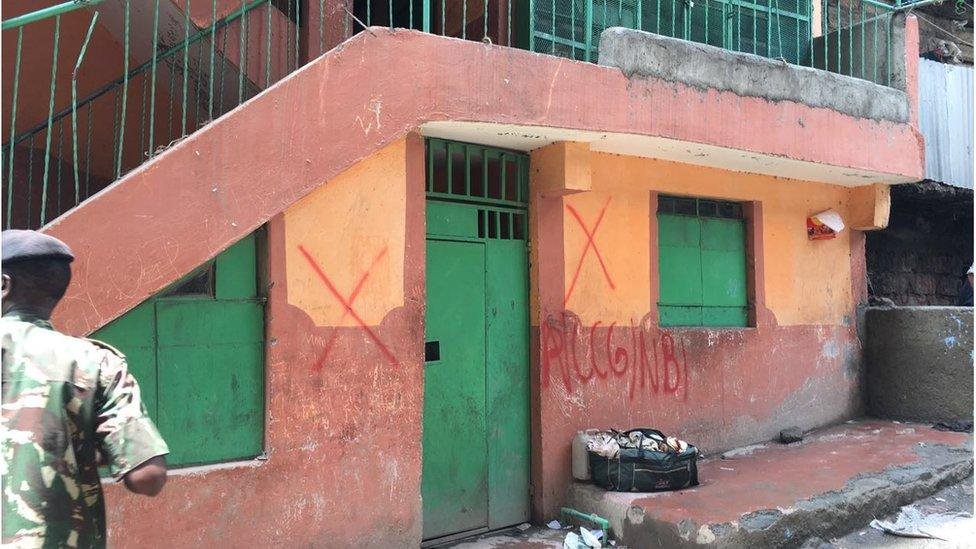
Another irreversible cause of tenants to vacate is poorly built units. I have been in many rental properties and the truth is, most landlord build without any consideration of the occupants. Most problems we have noticed overtime that make tenants move out often include:
- Units that are too small
- Low ceiling heights
- Units that are too dark even during the day
- Poorly ventilated units which cause sickness
If your units reduce the comfort of your tenants or in worst cases affect their health, then they are poorly constructed regardless of how beautiful they may look. The lack of regulation has made it hard for landlords to know what quality really looks like. However, if you engage a good professional in your build, they will be able to catch most of these issues before they happen.
6. Lack of property marketing
Sometimes properties sit vacant because people simply don’t know that they exist. In this digital world, putting a “TO LET” sign at the gate of your property is not enough marketing. That is why we created this site, where tenants can come and see your property, its features and rents before they commit to moving in. It broadens your market and helps you find good tenants that would have never passed by your property physically. If you are having trouble marketing your property, reach out to us, to see how we can help you.
How to reduce tenant turnover rates
1. Make communication polite and fast
Whether it’s a maintenance request or inquiry about the property, ensuring your communication is fast helps restore confidence in your tenants. At times, many landlords that do self-management are either too busy that they don’t have time to address issues in their properties. You can get a good caretaker if you don’t want a property manager. Tenants always love getting fast responses even if it is negative. Ignoring texts and calls makes them feel as though their issues are not being taken seriously and some might move out.
2. Robust Tenant Screening
If you are serious about making consistent rent at the end of each month, get a system to screen prospective tenants. I advice landlords and property owners of units that are from KES 25,000/Mo to come up with a way of knowing if a tenant is the right fit for them. Doing tenant screening reduces the risk of rent defaults. It also ensures the tenant won’t behave in a negative way that might drive away other tenants. You should also make house rules clear from the start and include them in your tenant-agreement for better enforcement.
3. Engage professionals in your build
To help you avoid irreversible defects such as poorly designed units, always engage professionals. This might appear expensive but believe me it is worth the investment. Another guiding question I would like for you to always have when building is; “Would I be happy living here?” This will help inform your decisions as you build. If having a small kitchen is something you would hate, then don’t build one for your tenants.
4. Get a good property manager
Real estate is only passive if you get a good property manager to assist you with the operations of the business. Most people assume that you build, have tenants pay and live happily ever after. But the truth is, work starts after construction. So if you want to enjoy a “passive” real estate investment, a property management company will assist you greatly. They typically handle everything for you for a percentage of the rental income. Their services typically include;
- Rent collection
- Marketing vacant units
- Addressing tenant complaints
- Facilitating tenant move-outs and move-ins
5. Increased sense of community

Most apartments I have rented in always feel the same, just a place to lay your head after work. Have you asked yourself why most people prefer to live in community estates like Tatu City or Greatwall in Athi River. They answer is the sense of community such a place brings. And you don’t have to invest in a huge development to bring this to your rental units. A simple feature like a rooftop lounging area or a pool table might help tenants bond. It also differentiates your property from others. When people feel as though they belong to a community, they are likely to stay longer in your property.
6. Take Tenant Opinions
Many landlords and property owners rarely take tenant opinions or suggestions. You could also have an open-door policy where tenants can report issues to you. This helps in understanding the pain points of your property as well as how you could improve the units to reduce vacancies and turnover rates. If you have a long term mindset, then you can implement these suggestions in your next build. This will help you improve your units by making less mistakes.