A major determinant of where people choose to live is their income. And this makes a lot of sense, the more money you make, the more you have to spend on expenses such as housing. This explains why most areas always have economic similarities among their residents. Rents act like a filter of sorts, allowing some people in, while keeping others out of different areas.
That being said, I think the best place to start when doing your house hunting, is answering the question “is this area within my budget?” This question extends beyond the average rents in an area and moves to cover the cost of living in the neighborhood. In this article, I will be breaking down the best areas for middle class persons, the average rents and why some of these areas are either upgrading or downgrading.
Categories of Middle-class
The term middle-class is used loosely to describe people making average incomes in an economy. However, there are 3 categories of middle class that people don’t often talk about. We have the lower middle class, core middle class and upper middle class. The differences between each group is as a result of economic inequality within the groups. I think knowing where you stand is a good start in gauging what you can afford in today’s rental market.
1. Lower Middle-Class Estates
The lower middle-class is the group that falls at the bottom of this income pyramid. They are often characterized by an income range of Kes 30,000 – 80,000 per month. This includes; young professionals, first-time renters, young families, most blue-collar workers and fresh graduates. Characteristics of lower middle-class estates are;
Rents range from Kes 5,000 – 25,000 per month
Densely populated as they attract many residents.
Reliant on public transport.
Can afford low-tier private schools
Budget-conscious lifestyles.
A moderate quality of life.
Advantages Vs. Disadvantages
Advantages
Disadvantages
Affordable to many working residents
The areas are crowded, straining infrastructure like electricity
Living conditions are decent
Security concerns in some pockets
Lower cost of living (e.g., lower cost of food stuffs)
Areas are built for survival rather than living, leading to an average quality of life
Most small businesses thrive here owing to the number of potential customers.
Hard to control the environment your kids are growing up in.
2. Core Middle-class Estates
The core middle-class is the second category. This group is typically made up of people in managerial positions, experienced Civil servants, practicing professionals, families and remote workers. People in this income category make an average of Kes 80,000 – 200,000 per month. Dual earning couples can also fall in this category if their incomes total to the range above. Characteristics of this group include;
They can afford rents of Kes 20,000 – 60,000 per month.
Can afford mid-tier privates schools.
They often use a mix of public & private transport
They can afford some luxuries
Advantages Vs. Disadvantages
Advantages
Disadvantages
Good quality of life compared to the lower brackets
Lifestyle creep is a looming issue for many who want to keep up with trends
Security is good in most areas
Higher cost of living may leave you with little savings at the end of the month
Easy to control your children’s environment (some areas are gated)
New developments in most of these areas are making rents grow fast
Amenities (like water) are frequently available due to a lower population
3. Upper Middle-class Estates
The upper middle-class is the upper echelon of this income category. Many people at this stage begin feeling rich as luxuries become “within reach.” People in this estates include; company executives, expatriates, returnees from abroad, big business owners, established professionals, some politicians and celebrities. Such persons make a cumulative of Kes 200,000 – 600,000 per month. Characteristics of this group includes;
They can afford rents of Kes 60,000 – 200,000 per month
They own private cars
Can afford top-tier private schools
Their spending is lifestyle driven
Advantages Vs. Disadvantages
Advantages
Disadvantages
High level of security due to gated communities and controlled access
Premium pricing across most goods and services leads to a very high cost of living
Excellent quality of life with access to gyms, restaurants, and lifestyle amenities
Risk of lifestyle inflation, making it harder to save or invest consistently
Reliable utilities (e.g., water and electricity outages are rare)
Children may grow up in a sheltered environment if exposure is not intentionally managed
Close proximity to high-quality healthcare facilities
Middle-class Estates in Nairobi
Lower Middle class estates in Nairobi
1. Kasarani
Kasarani is a good lower middle-class estate. It houses a lot of young professionals and first time renters. People who work in town and are seeking an affordable place to live often come here. Despite the status as a lower middle-class area, the quality of housing is quite decent in most parts. Below are the rent ranges of different house types;
Utawala is known for its proximity to JKIA airport and Mombasa road. When most areas within Nairobi began getting too expensive, people moved to places like Utawala. The area attracts young families, people working in Nairobi and young professionals. The thing with Utawala is that it is a classy lower-middle class area.
3. Ruai
Ruai is located along Kangundo road and is a slowly growing area. If you want a placed away from the hustle and bustle of the city, Ruai is a strong option. The area is at most times quite warm so if you love rocking tank-tops or shorts on a weekend, the weather in Ruai supports that. The eastern bypass has made the commute to CBD much easier.
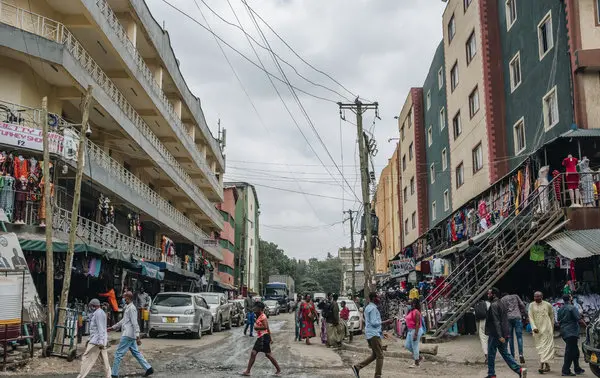
Njiru is also located along Kangundo road and hosts a diverse group of people. Many young people who work in Nairobi CBD live here as it is a very affordable place. One issue with the area is often water shortages and poor garbage collection.
Embakasi is the most populated Sub-county in Nairobi. The proximity to Mombasa road and industrial area has made it a haven for most blue-collar workers. It is also popular with students who might not be able to afford renting next to their institutions in town. A huge drawback of Embakasi is the poor state of roads and garbage collection. The overcrowded nature also means that the quality of houses in some areas is quite bad. Some are either too small, dark or lack utilities.
Uthiru is located along Waiyaki Way just after Kangemi. Its major inhabitants include students of the Kabete Technical and UoN Kabete campus, plus young professionals working in Westlands or remotely. The area has grown from a rural locality to a semi-urban town. The quality of houses in Uthiru are also very classy plus the environment is clean.
Kayole is a neighborhood located in the wider Eastlands area of Nairobi. In the past it has been associated with gangs and crimes but security is taking shape. It is also densely populated and the advantage of such places is the low cost of living. It is a good place for people blue collar workers and informal sector players.
Githurai and Kayole share some similarities especially in terms of their reputation. However, githurai has grown in the recent years with decent apartments developing alongside critical infrastructure like sewer and roads. Aside from the stereotype Githurai gets, exploring the area makes you notice the hidden gem that it is. The cost of living is also significantly low as the presence of the market there makes food cheap. The area is home to many informal workers, students and first-time renters.
Kahawa West is located along Northern Bypass and Kamiti Road. It sits at the border of Kiambu and Nairobi county. I would compare the estate to Kahawa Wendani as it attracts common demographics. People in Kahawa West are either young professionals, students or young families.
Lorem ipsum dolor sit amet, consectetur adipisDespite Ruiru being a low- middleclass neighborhood, it accommodates many classes of people. The fact that it has so many areas and house types means diverse groups of people can reside there. From families, students, young professionals to blue-collar workers. If you are looking for an affordable place that is still growing, Ruiru is a great place to start looking.cing elit. Ut elit tellus, luctus nec ullamcorper mattis, pulvinar dapibus leo.
Juja is largely a university town dominated by students from JKUAT and surrounding institutions. It has a youthful population, with affordable bedsitters and one-bedroom units. The presence of students drives a strong rental market and small business activity.
Thika is more of a satellite town than an estate, but it functions as a residential option for Nairobi workers. It offers more space and slightly better planning compared to inner-city areas. It attracts families, professionals, and business owners seeking affordability and independence.
Umoja is a classic Eastlands estate with a mix of older maisonettes and newer apartments. It attracts working-class families and small business owners. The area has a strong sense of community but faces challenges with congestion and aging infrastructure.
Kitengela is a fast-growing town outside Nairobi attracting middle- and lower-middle-income earners. It offers affordable land and housing, making it popular with families and investors. Its growth is driven by urban spillover and improved road connectivity.
Kahawa Wendani is heavily influenced by student populations (Kenyatta University) and young professionals. It has a vibrant rental market and offers slightly better infrastructure than lower-tier estates.
Buruburu is one of Nairobi’s most established middle-class estates. Known for its planned maisonettes, it attracts stable families and long-term residents. It offers a balance between affordability, space, and accessibility. It used to be an Upper-middle class area but decades of aging infrastructure have downgraded it.
Kikuyu is a rapidly growing town attracting Nairobi workers due to its affordability and improving infrastructure. It is popular with young families and professionals looking for larger spaces at lower costs compared to the city. The semi-rural vibe also means that the environment is clean if that is something you consider.
Ngong offers a quieter, suburban lifestyle with scenic views and cooler weather. It attracts families and professionals seeking a balance between urban access and a peaceful living environment. The cost of living is however quite high in some parts.
Ruaka has grown rapidly due to its proximity to UN offices and Westlands. It attracts young professionals, expatriates, and middle-income earners. The area has a mix of mid-range and high-end apartments. It is also a classy neighborhood which is a plus for anyone who cares about the repute of an area. We are projecting an increase in serviced apartments which are renting for premium prices.
Kahawa Sukari is a more organized and quieter residential area compared to Wendani. It attracts families, professionals, and homeowners looking for a more stable and less transient environment. It is more of a family-centric neighborhood with gated estates. If you are a family person looking for an area with a slow pace of life, but near Nairobi, then Kahawa Sukari is a strong option.
Ngara is a centrally located estate close to the CBD. It attracts students, small business owners, and working professionals who value proximity to town. However, congestion and aging buildings affect its appeal. It has also been witnessing criminal activity recently. Another drawback is that whenever the CBD experiences any chaos, like Maandamanos or Floods, the effect overflows to Ngara.
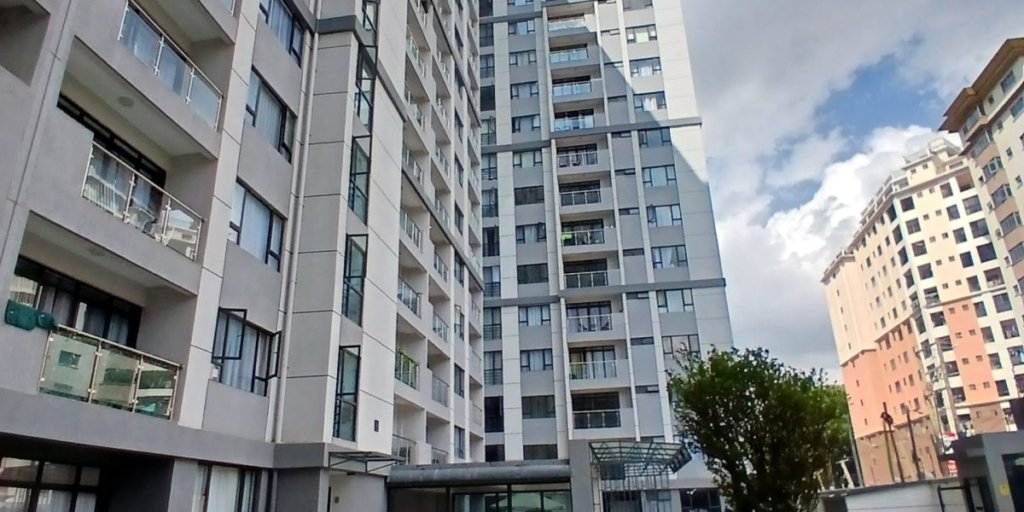
Kilimani is a high-demand urban area known for modern apartments and vibrant social life. It attracts young professionals, expatriates, and high-income earners working in Westlands or Nairobi. It is one of Nairobi’s key lifestyle hubs. You are also likely to meet celebrities and influencers in the estate. Apartments are the most dominant house type in Kilimani with few standalones. Poor zoning and uncontrolled developments are however turning some pockets of Kilimani into a “slum” on steroids.
Kileleshwa and Kilimani are like two-twins with Kilimani being the loud one and Kileleshwa the quiet and organized one. It attracts professionals and families looking for a balance between city life and tranquility. If you are a family person, looking for a less chaotic option to Kilimani, this is the place for you.
Langata is a spacious, family-oriented area with a mix of apartments and standalone homes. It attracts middle- to upper-income families and offers good access to schools, parks, and the CBD. I have done a guide on the area and will be linking it below. If you are a family person looking for a quiet neighborhood near Nairobi, Langata is a strong contender.
Lavington is a premium residential area known for townhouses, villas, and greenery. It attracts high-income families, expatriates, and diplomats seeking exclusivity and comfort. One would argue that the area belongs to the wealth category, but when we adjust the rents for market averages, they fall back into the upper-middle income category.
Westlands has grown to become both a commercial and residential hub. It attracts professionals, families, expatriates, and business owners. The area offers high-end serviced apartments, offices, restaurants, and entertainment spots. I would describe Westlands as a city within a city and it scores pretty well on the quality of life. The beauty about Westlands is that you can work, live and play in the area without the need to travel out as much.
South C is a well-established residential area with a strong community feel. It attracts middle- to upper-income families due to its accessibility, schools, and relatively secure environment. Over the last decade, the area has experienced a ton of growth. However, zoning and building regulations are not adhered to which has led to some buildings collapsing.
Parklands is a diverse and well-developed area known for its proximity to Westlands and the CBD. It attracts professionals, business owners, and long-term residents, with strong access to healthcare and schools. It also hosts a strong Asian demographic so if you are Indian you will feel at home in Parklands. Despite its proximity to CBD and Westlands, the area has a cool environment with great air quality. It is a very organized place to live.
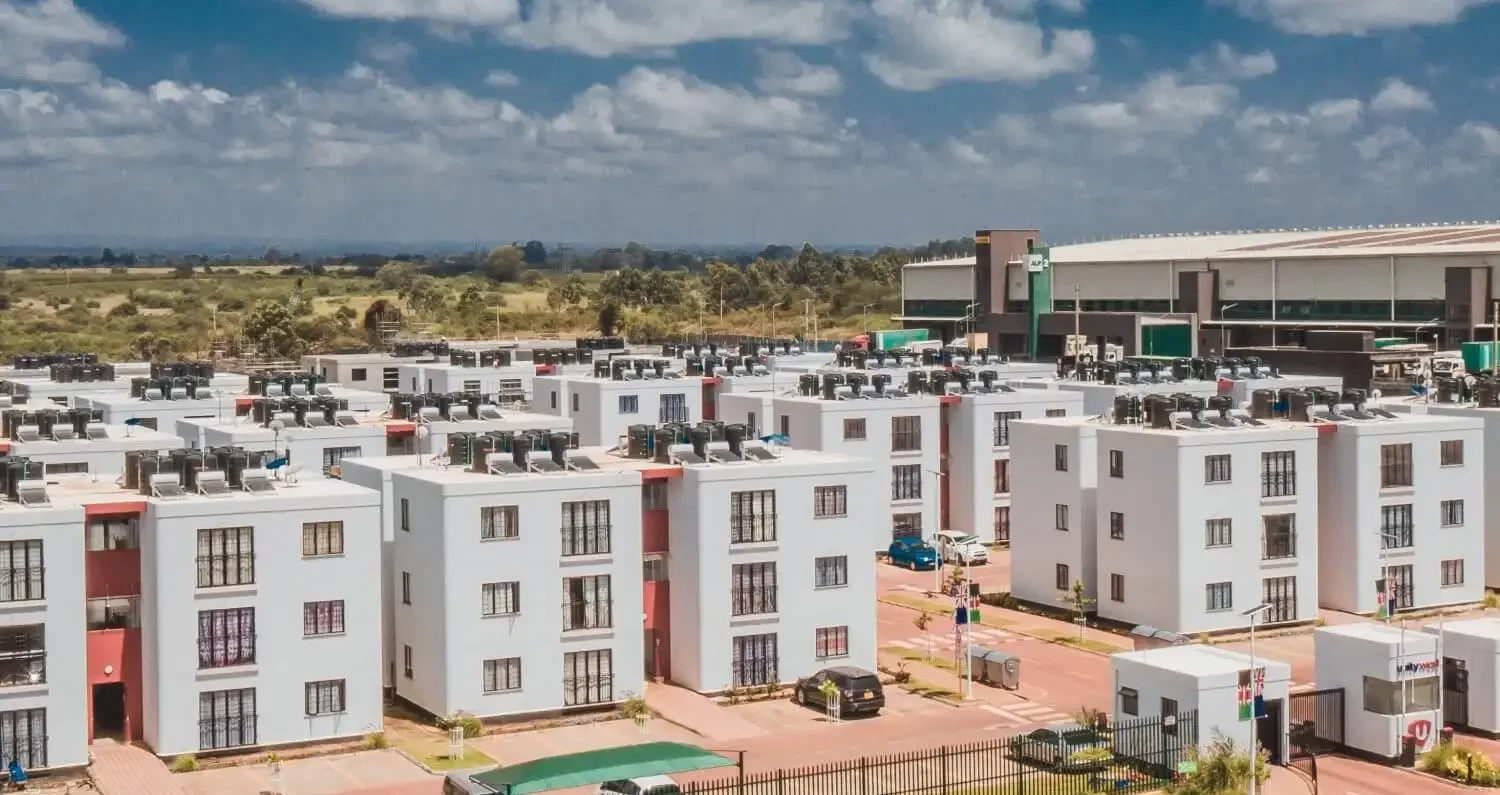
Syokimau is a rapidly growing upper middle-class area near JKIA and Mombasa Road. It features gated communities and modern housing, attracting young professionals and families seeking a suburban lifestyle. The area is majorly resided by families, retirees and young professional who work around Mombasa road. I have also done a guide on Syokimau if you are interested.
1. What salary is considered middle-class in Kenya?
In Kenya, a middle-class salary is commonly estimated to range between KSh 50,000 and KSh 200,000 per month depending on lifestyle and location.
2. What is the middle class in Kenya?
The middle class in Kenya refers to households with stable incomes that can afford basic needs, some savings, and discretionary spending.
3. Who is considered middle class in Kenya?
A person is considered middle class in Kenya if they have a reliable income, financial stability, and the ability to maintain a modest but comfortable lifestyle.
4. Is middle class 100k?
Yes, earning KSh 100,000 per month in Kenya generally places an individual within the middle-class bracket, especially for a single person.
5. What are the 4 income levels?
The four income levels are typically categorized as low-income, lower-middle-income, upper-middle-income, and high-income groups.
6. What qualifies being middle class?
Being middle class is usually defined by having stable employment, access to housing, education, healthcare, and some level of savings or investment.
7. What is a good salary for the middle class?
A good middle-class salary in Kenya is often considered to be above KSh 100,000 per month, allowing for comfort and some wealth-building.
8. Who is the lower middle class?
The lower middle class consists of individuals earning modest but stable incomes (around KSh 30,000 – 50,000) who can meet basic needs but have limited disposable income.