The construction of the Thika Super Highway brought with it a huge real estate boom along the areas it passed through. From it one of the most notable development along the highway has been TRM. Opened in 2013, after the completion of the Super Highway, TRM was targeted to serve the adjacent neighborhoods. This included Zimmerman, Kasarani, Ruaraka, Roysambu, and Thome. Since it was opened, it has hosted a wide array of stores. And the foot traffic the mall experiences has earned it the title of “the most successful mall” in Kenya. In this blog, I will be giving a critical lens of the mall from a real estate perspective. I will also be explaining why it is such a success and lessons you can borrow for your next business.
History of the TRM
Up until 2012, Nairobi did not have any major mall worth bragging about. At the time Nakumatt was the reigning retail giant but had not put up any huge facility like TRM. With the ongoing construction of the Thika Super Highway, a development group called Actis, saw an opportunity many didn’t. The highway was going to bring accessibility and open up the Thika Road Corridor; this led to the meticulous planning and execution of TRM as we know it. Its location next to the roundabout made it even more reachable to pedestrians crossing over to Kasarani and Roysambu areas. And the foot traffic was one of their winning strategies.
Who owns Thika Road Mall?
The developer Actis had seen how profitable malls were in other parts of the world like the U.S. With Kenya experiencing a growth in its middle class, this meant that families with disposable income would need a place to spend it. TRM would bring a blend of lifestyle, shopping, entertainment, and healthcare all under one roof. Imagine you were sick; instead of going to a boring hospital, you decide to go to one of the hospitals in TRM. Afterwards, you are given a prescription of drugs you need to buy. You simply go to the banking area, withdraw your money, and get a chemist right within the same building. If you are hungry, you can buy a pizza on your way home. Most Kenyans had not experienced such a level of convenience, this made them adopt TRM fast.
Specs of TRM Development
Thika Road Mall is what we call a community mall, as it was designed to serve the daily needs of locals. For you to understand how the mall is structured, let us go over its specs.
Thika Road sits on 6 acres of land
Its total built area is around 260,000 m²
The gross leasable area sits at 125,000 – 400,000 sq.
It consists of a ground floor, first floor, second floor, third floor, and parking area.
Ground and rooftop parking carry 700+ cars
It comes with a 5000 sq ft food court.
It features 100 retail units.
How TRM's design makes you spend?
Its genius design has also been a big reason for its success. You see malls are engineered to pull you in and keep you there for as long as they can. It is no surprise that once you go in, you end up spending several hours. The more time you spend there, the higher the chances you will spend more.
1. Huge box-style exterior
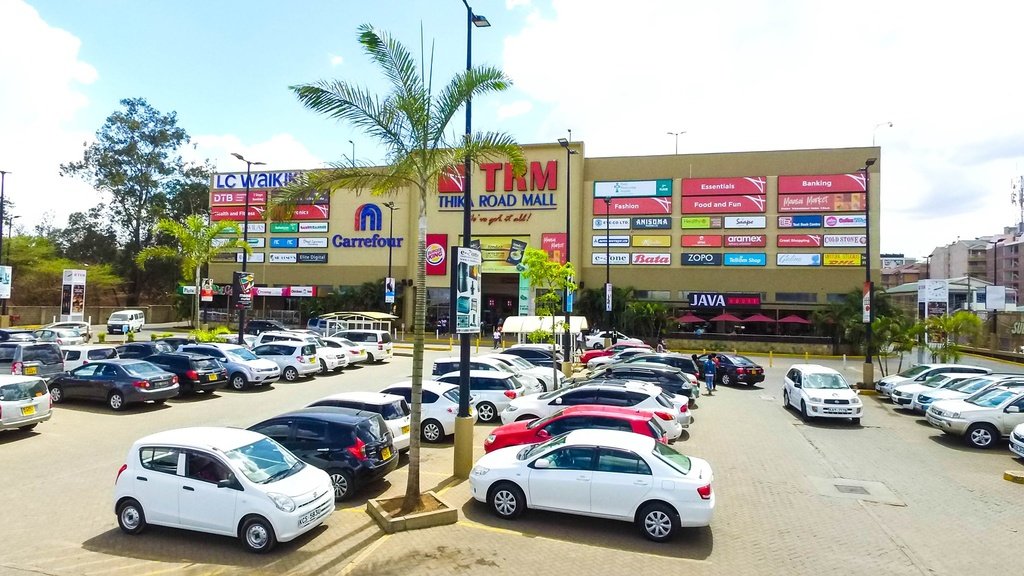
The mall is designed as a large box-shaped structure with a relatively small visible opening facing Thika Road. From the highway, it is difficult to tell how large the mall is. This naturally creates curiosity. Unlike other malls that use large glass façades to reveal the interior, TRM uses a more closed exterior. This makes the building feel mysterious from outside, encouraging you to enter and discover what is inside. This design strategy increases foot traffic because people feel the urge to explore the space.
2. Large central area
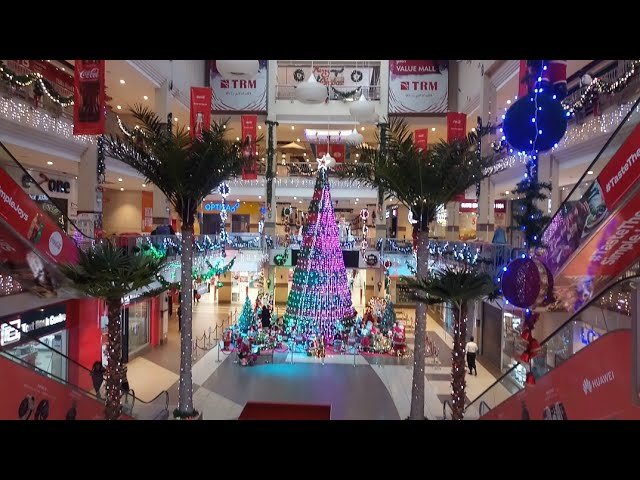
One of the most effective features of TRM is the huge space at the center of the building. Which is called an atrium. It allows natural light to reach multiple floors, making the space feel open and comfortable. More importantly, it creates a dopamine release when you get there and realize how big the mall is. Each level becomes like a preview of something new. Similar to watching a movie trailer that makes you want to see more. This encourages visitors to move between floors instead of leaving after visiting only one section.
3. Placement of Restrooms
Another clever design choice is the location of the restrooms. In TRM, the toilets are placed at the far ends of the mall rather than near the entrance. This forces shoppers who need to use the facilities to walk through long corridors and pass many shops along the way. This is a common retail design strategy because the more stores people pass, the higher the chance they will notice something interesting and make an unplanned purchase.
4. Use of artificial lighting
Because of the box-style structure, it is not possible for all shops in TRM to receive natural light. As a result, most stores are forced to rely on artificial lighting throughout the day. This has an important psychological effect. When people cannot see outside or notice changes in daylight, it becomes difficult to tell how late it is. Without the feeling that time is passing, visitors are less likely to rush out of the mall. This increases the amount of time spent inside, which directly increases spending.
5. Multi-level circulation
The mall is designed so that escalators and staircases are not placed directly at the entrance. Instead, visitors must walk deeper into the mall before they can move to another floor. This ensures that customers pass multiple retail outlets before reaching their destination. This layout increases exposure for tenants and improves overall rental value for the developer.
6. Anchor stores positined deeply
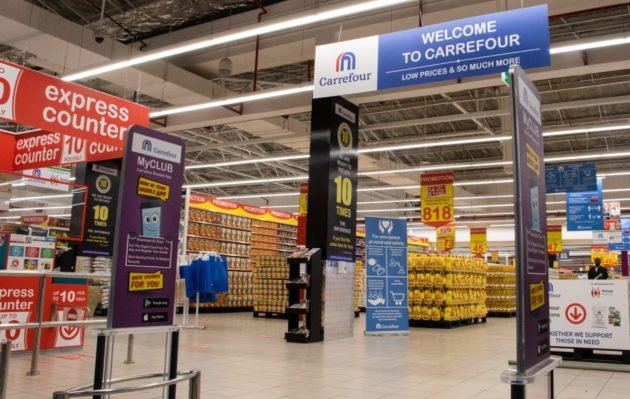
Ever asked yourself why popular shopping outlets like Carrefour are located at the farthest corners? The idea is that you come to do shopping there, but you have to walk through the mall, and you end up seeing other stores. This strategy ensures that even smaller shops located far from the entrance still receive good foot traffic.
Why is TRM so successful
1. TRM Location
Like everything in real estate, location is very important. This has proved to be the case for TRM as well. It is situated just next to the Thika Super Highway and next to the round-about. The road from Kasarani, Kamiti Road, and the highway from the CBD all funnel at this point. Moreover, we have many bus stages around which bring in a lot of foot traffic to the mall.
2. Perfect Timing
I think TRM’s completion year, 2013, which coincided with the opening of the Highway, allowed the development to ride the popularity wave. Everyone who was excited to see and use the highway came across the mall. When the news sought to highlight the highway, TRM received its share of coverage, giving it free publicity. I remember visiting the mall every Saturday after school with my friends just to have a juicy story for Monday.
3. Target Market
Kasarani sub-county is the second largest in Nairobi after Embakasi. Similarly, Roysambu and Zimmerman areas also house a huge population of middle-class persons. TRM was positioned from the very start to serve this market, and it has paid big for them. The decision to make it a community mall rather than a lifestyle mall was tied to the target market which was largely middle-class.
4. Tenant Mix
TRM hosts all sorts of businesses you can think of as tenants. From banks, food courts, electronic shops and coffee shops. This tenant mix attracts a diverse group of people who provide the needed foot traffic. Moreover, the businesses complement each other. For instance, for you to buy a fridge at Carrefour, you will need to make a withdrawal at KCB inside the mall. This symbiotic relationship makes tenancy stickier and provides shoppers with added convenience.
5. Optimized foot Traffic
Every design element, from the shape of the building to the positions of parking spots, is all designed to maximize foot traffic. Having a sustained flow of people makes TRM attractive to retailers who want more people to shop with them. This has made the mall very profitable at a time when many such outlets are fizzling out.
6. TRM Genius Design
As mentioned above, no aspect of TRM is an accident, from its shape to the location of toilets. Every aspect is done to maximize shopper experience and ensure they spend as much time and money.
7. Rent Model
The rental model of TRM, like any other retail facility, is priced per square foot. This way of pricing allows tenants the flexibility to take up as much space as they can afford. If you are a small retailer, the mall management can cater your size to an affordable rent quote. The service charge is also costed in the same way, bringing in tons of tenants.
Challenges Facing TRM
1. changing shopper habits
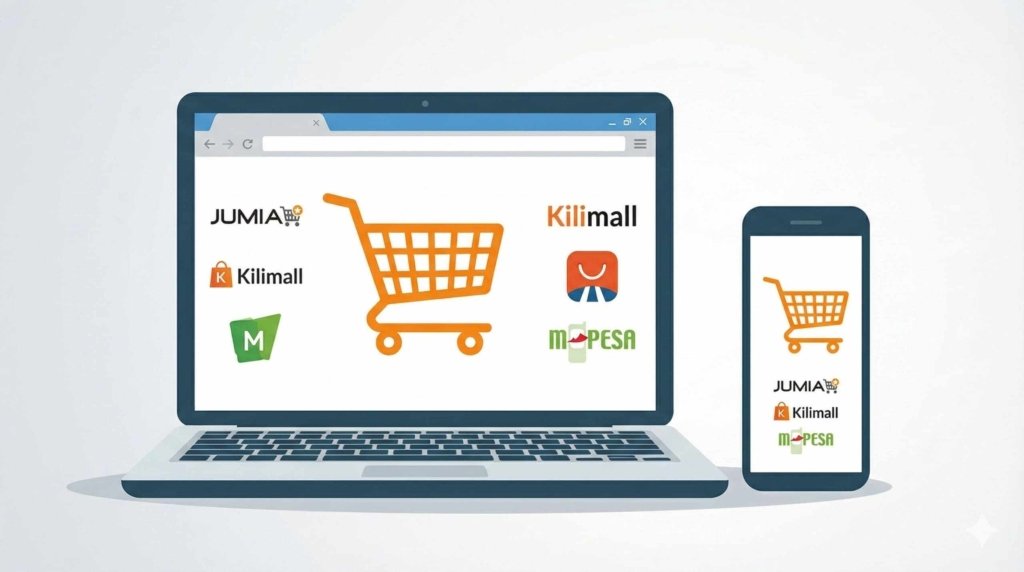
Since 2013, a lot of technological advances have come up. One of them is e-commerce, which has become popular among urbanites. With many people turning to digital platforms for shopping, they rob malls of the needed foot traffic.
2. constant security risk
When TRM was opened, the same year another mall called West Gate was attacked. Many people have always feared that TRM could be a candidate for such an attack. Moreover, during recent Gen-Z protests, TRM has been attacked owing to its proximity to the highway. The fear such events evoke has deterred quite a number of people from visiting the mall.
3. contracting middle class
TRM was started to serve the growing middle class in the Thika Road area. However, with the economy experiencing a downturn, the middle class has been shrinking. This means that disposable income to spend on leisure and shopping outside necessities is not available. The result has been dwindling mall traffic, which affects profitability.
4. Rise of strip malls
Strip malls are smaller shopping centers that carry the shopping experience and convenience of bigger malls. With the cost of developing a strip mall being much lower, many of them have been cropping up in residential areas. By being nearer the people and providing a sort of similar shopping experience, many residents don’t see the need to go to the mall as they once often did.
5. TRM is becoming dated
TRM is slowly becoming dated. Its design and the shopping experience it gives have slowly been replaced by newer malls. Though the management has tried its best to keep up with trends, things have not been working out as expected.
Lessons for developers
1. Invest where the government is investing
TRM is a perfect example of putting your money where the government is investing. When they opened after the construction of the highway, this not only gave them visibility but also the access they needed in terms of infrastructure.
2. Go where demand is
Many developers try and build apartments or properties that the market is not demanding. Walking around estates, you will find many unoccupied buildings for the same reason. Never attempt to create your own demand. Move where it is.
3. Always do your research
Prior to the construction of TRM, a lot of research was done. This is what is called doing a FEASIBILITY STUDY. Always research who the development will target, how much you will spend, and how much income the project is going to yield. Doing your homework shields you from losing your investment.
The developer behind TRM did not come up with a new idea. They simply saw what was working in the West and decided to bring it here. You also don’t need to come up with anything new in the market. Observe what is working and then replicate it on your own scale; it works.
Frequently Asked Question
Where is Thika Road Mall located?
Thika Road Mall is located along Thika Superhighway at Exit 8 in Nairobi, Kenya.
What stores are in the Thika Road Mall?
Thika Road Mall has over 100 stores including Carrefour, Miniso, LC Waikiki, Java House, ArtCaffé, Bata, banks, and various restaurants and entertainment outlets.