
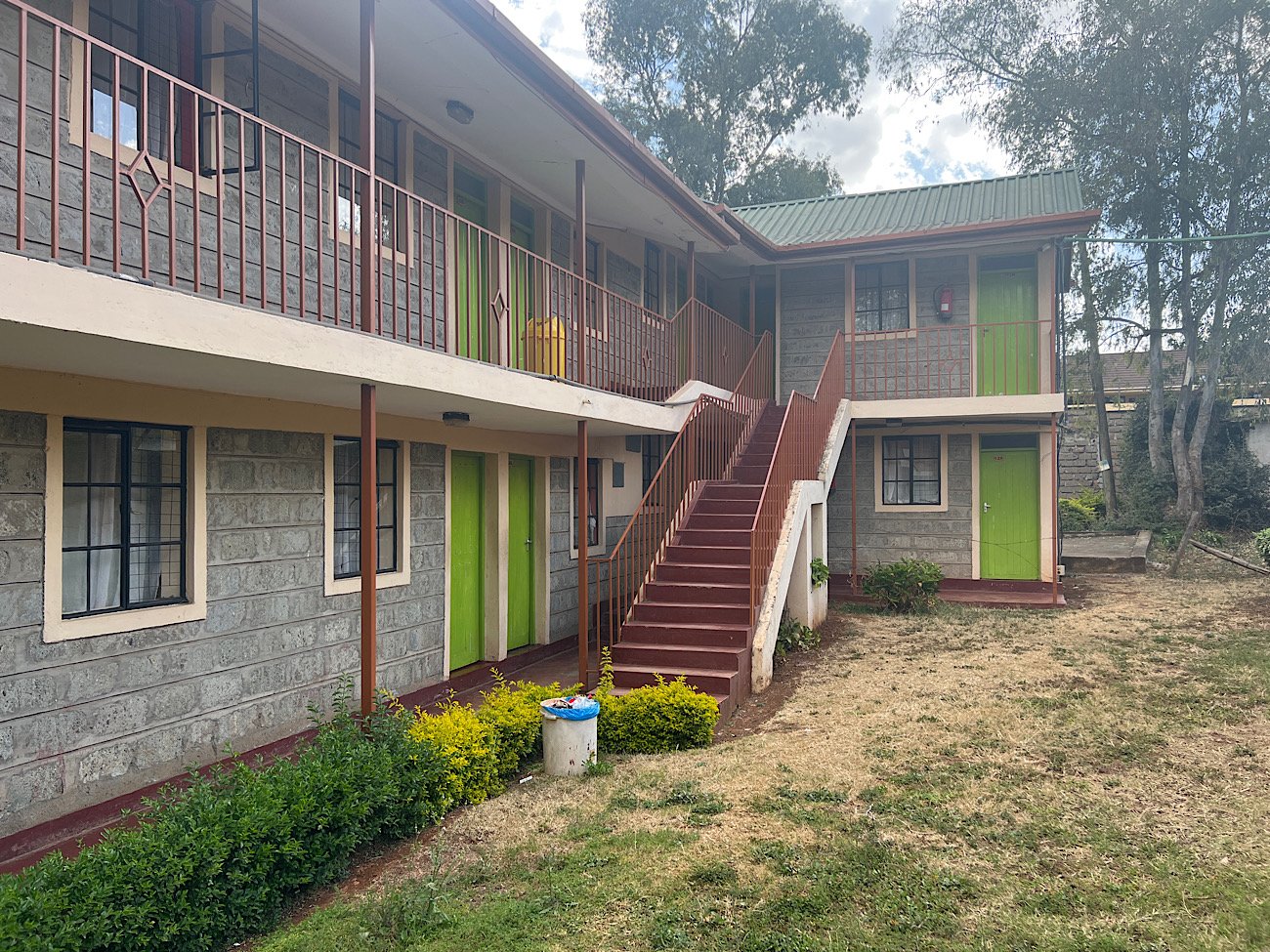
The rental business can be a rewarding way of making passive income if well executed. With the growing rate of urbanization, housing will only continue to be in demand. Moreover, Kenya has got a huge population of youth with over 75% of the country being below the age of 35. The cost of land and construction has only gone up, meaning fewer and fewer people are capable of owning homes. This presents a great opportunity for anyone looking to develop rental units. In this guide, I will be showing you the economics behind doing bedsitters, the problems most landlords make and areas where bedsitters perform the best.
Economics behind bedsitters
Bedsitters exist in Kenya for several reasons. These factors are majorly influenced by costs and bedsitters have proven to solve this cost issue for both landlords and tenants. Factors like; low incomes, high urbanization and high land prices contribute to the economics behind this. Let’s discuss each factor in detail.
1. High Demand
The first rule in business is that you must always venture where there is demand. With many Kenyans in urban areas being either students, first-job workers or young families, the demand for bedsitters has seen record growth. Areas near universities, factories or transit areas have seen record demand for these units. The demand pushes developers to do more and more of bedsitters as they are making good money.
2. Low incomes
Most people working in Urban areas are either informal workers or are early-career workers to warrant any significant pay. This means that most of them make in between Kes 15,000 – Kes 40,000 per month. Factoring other needs like food, transport and clothing, most end up with very little to spend on rent. While low-cost housing exists, very few options address affordability and housing needs like occupant’s comfort and privacy the way bedsitters do. In simple terms, it is the most affordable form of housing that caters to tenant needs fully. Single-rooms are affordable but sharing facilities like toilets and bathrooms is not ideal. Hence why many people choose to move into a bedsitter.
3. High land prices
Land prices in urban areas having been growing quite fast. In most areas, getting a good lot under 3,000,000 is becoming a huge challenge. And we have not yet touched on the also growing cost of construction. This ultimately means that many people are priced out of owning in such a market. The only option left is to rent and this fuels the demand for these rental units.
4. small sized plots
A lot of land sub-division has been happening in urban areas. In a place like Nairobi, most residential areas have no zoning laws that are strict on enforcing minimum lot sizes. The result has been the gradual fragmentation of land in a bid to make more money by sellers. With small land sizes, any developer who wants to increase their return on investment is forced to do more units. Bedsitters being small in size, offer landlords the opportunity to have many units in these small pieces of land.
5. Reduces vacancy risks
Landlords hate it when their units are sitting idle. Having been in property management for some time now, I can tell you that empty units are a big headache for landlords. If you have 20 bedsitters and you lose 2-tenants, the loss is quite small. However, if you have 6 1-bedrooms and you lose 2 tenants, this can be a big loss. Having many units helps reduce vacancy risks, shielding you from unpredictable monthly incomes.
Problems developers make
Now that you are aware of the reasons that contribute to developers doing bedsitters, let us look at some pitfalls. Over the years managing rental units in Nairobi for my clients, I have noticed some common trends that separate winners from losers.
1. Lack of market analysis
Real estate being a business requires one to make calculated moves before they commit huge sums of capital. Most landlords will build units without checking what the market demands. As a result, you find landlords building units like 2-bedrooms in a place where there is no demand. This leads to high vacancy rates that reduce the return on investment. To avoid this, do a market study by touring the area, inquire what units are popular before committing your money to build. Or if you want something more detailed, simply contact us for a comprehensive feasibility study.
2. Focus only on quantity
I have told you that bedsitters give you the option of doing many units on a small piece of land. However, this can still work against you if you are not careful. Most landlords build very small units in a bid to have many of them. The result is units that keep on loosing tenants as they outgrow them fast. The smaller your unit, the faster it is for people to fill stuff and when they run out of space, they will have no option but to move-out. You end up losing money as your units end up being vacant for long periods of time.
3. Poor build quality
Another issue especially in Nairobi is the poor quality of finishes like electric fittings and bathroom fixtures. If you cut corners on some of these areas, the cost to fix these recurring maintenance issues eats up into your profit. For instance, if you buy those cheap shower heads that cost Kes 900 and you end up changing it 4-times in a year, you end up losing over Kes 5,000 per unit. Imagine similar issues on an apartment block with 20 units.
4. Lack of management
If you have many units and are finding it difficult to keep up with tenant inquiries and rent collection. Then it is time you looked for some help. Many tenants experience dissatisfaction if their requests are not addressed promptly. Imagine having to wait 3-months to get a window fixed, such issues are enough to give your units’ a bad reputation. I recommend getting a good agent or caretaker to help you manage the units if you are far or want minimal stress in running your apartments.
5. No focus on tenant comfort
One rule I give people seeking to build any rentals is that you should build as though you are building for yourself. This means ensuring you include good fixtures, build big units that are well lit and taking care of tenant comfort. You would be surprised how adding something as small as a bidet in your washroom or shaving light would be the reason people pick your unit against another.
Frequently asked Questions
1. How many Bedsitters are on a 40 by 80 plot?
A typical 40×80 plot can fit about 10–14 bedsitters per floor, meaning a normal 3–4 storey building can have 30–56 bedsitters depending on design and parking space.
2. How many Bedsitters are on a 50 by 100 plot?
3. What is the size of a bedsitter in Kenya?
4. What is the difference between a bedsitter and a studio apartment?