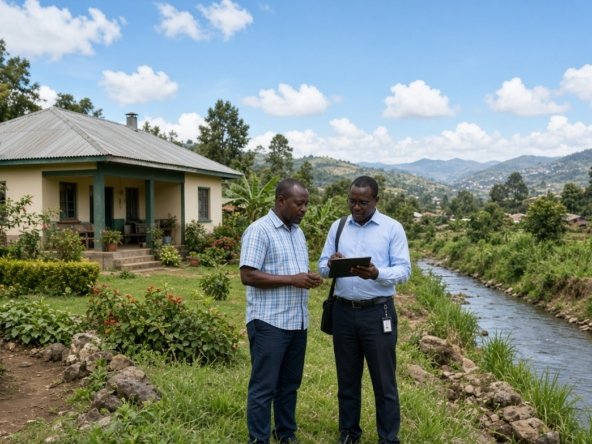
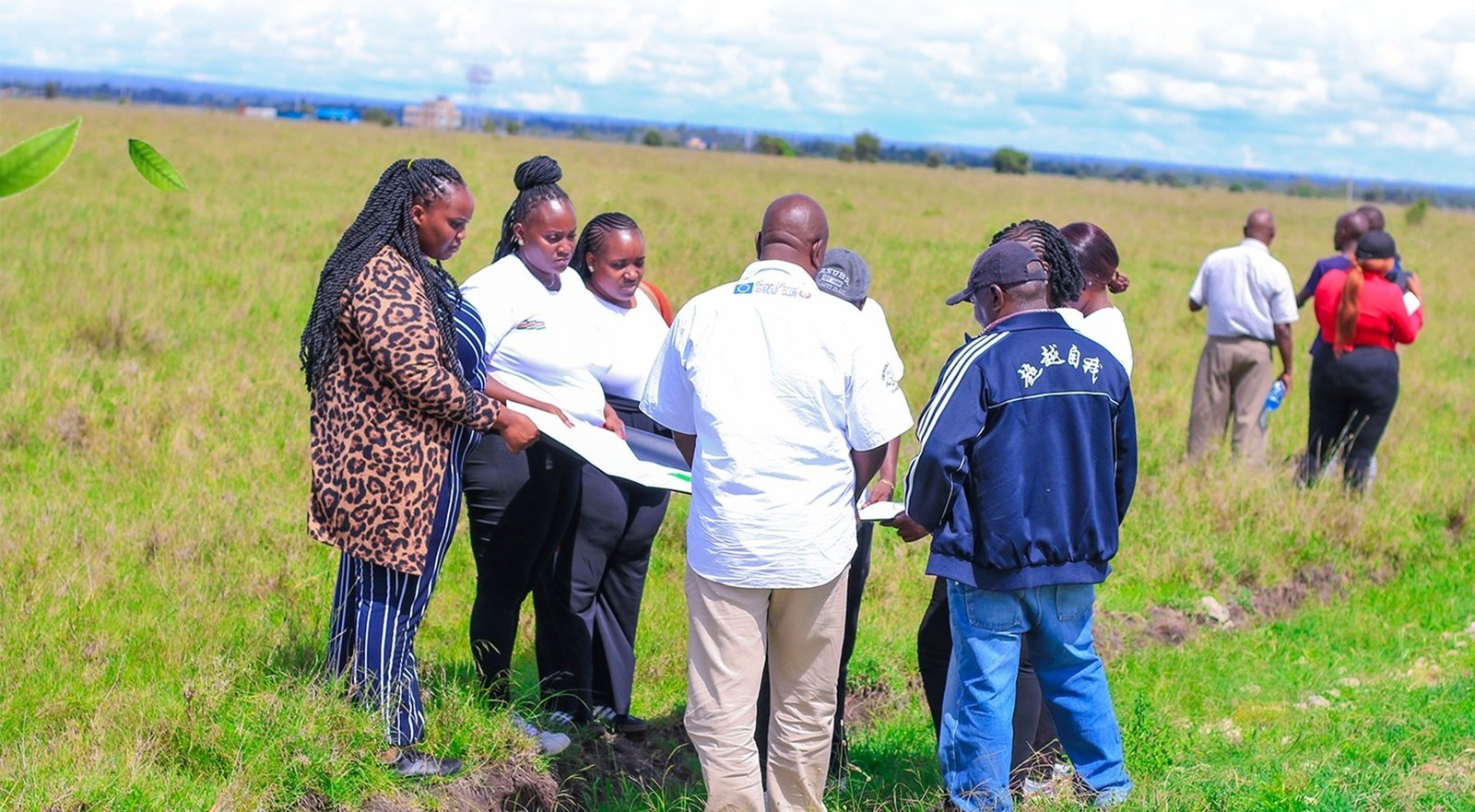
One of the most crucial steps that you need to take before buying land is doing a physical site visit. In real estate, seeing is believing. Therefore, you cannot afford to skip this crucial step in a sector where trust is paramount. A site visit is simply a physical trip to the piece of land or development that you have interest in.
In this short blog post, I will be providing you with the information you need to be able to carry out a thorough site visit. Remember, the intent of any site visit is always to verify that the property is as advertised. Hence, you need to carry along with you tools and questions that leave no stone unturned. It should be like detective work.
1. to verify property information
In real estate marketing some companies might stretch the truth about a their land with the intention of attracting more buyers. Details such as the exact location, proximity to roads, and land sizes may be altered to make you more interested. I had a client once pay for land that they thought was in Kenol only to realize that it was 5 km from what had been advertised. Conducting a site visit allows you to verify that the information given by the agent or salesperson is accurate.
2. Assess Infrastructure
Land can only gain value based on the infrastructural developments around it. If you have major roads, sewer systems, and electricity nearby, then the land becomes more desirable. And will command a higher price. Most real estate agents and companies know this and will often put some pictures of a finished road and electricity poles on their marketing brochures to woo buyers. Going for a site visit allows you to verify what infrastructure is available and its state. You might buy land where tapping water or bringing electricity will cost you quite significantly. Buying in a place with good infrastructure allows you to quickly sell your plot in case you need money urgently.
3. Potential future issues
There are many people who have constantly told me about what they regret about their property. Things like drainage, pollution, and boundary disputes can easily be picked up during a site visit. That is why I advise people to conduct the visit during rainy seasons. This asllows you to get a feel of the property at its worst. Conducting a site visit will also open your eyes to see how the proximity to schools might affect you.
4. To know the land condition
If you are primarily buying land for building, a site visit will help you assess factors such as topography and soil type. These factors affect so many things for you, including the value of the land. It even dictates how expensive your foundation will be. If you buy a piece of land that is sloping, then it might have issues when constructing. Similarly, in areas with a lot of black cotton soil, your cost of doing a foundation is bound to be quite high. Doing a site visit will help you confirm all of these details and enable you to make the right decision.
5. Avoiding buying nonexistent land
Not one, not two, not three… But hundreds of Kenyans have actually bought nonexistent land. In real estate, we call this buying air. I see this a lot with diaspora buyers who only get sent pictures of cleverly edited pieces of land before they hastily buy. Conducting a visit allows you to validate that the land you are buying actually exists.
6. Building relevant relationships
I like thinking of site visits as more than just a trip to the land but a chance to connect with people in the real estate sector. You will often meet agents, marketers, and land surveyors on such visits. Connecting with them can lead you to a better deal in the future. Moreover, visiting a plot you intend to buy and connecting with the locals can provide you with more information about the land.
We were once at a site visit with a friend just as he was sure he was going to buy this particular piece of land. After talking to one of the neighbors, they revealed to us that the property was actually in contention between two families. As far as we knew, we were just aware of one part of the family, but the man selling it had intentionally left this out. You can only imagine what would have happened if we had not discovered this.
7. To avoid overpaying on the land
Lastly, doing a site visit will prevent you from overpaying for the land. In real estate, you don’t make money when you are in the sale but when you buy the property. This means that if you get overcharged for the plot, then your future profits will be diminished.
One of our clients in the diaspora bought a piece of land in Juja Farm about 4 years back. She purchased from an individual seller through her brother. When she came to us trying to sell the land, her asking price was way above the market rate in the area. I asked her what she had bought it for, and we were quite shocked. She might have to wait for about another 5 years for the piece of land to reach to her purchasing price. From this she will have lost time and even money if prices don’t go up as expected. Had she gone for a site visit or contacted professionals to help her in the purchase, then such expenses would have been avoided.
Questions to ask on your site visit
As with any investigative task, it is crucial to prepare your questions to guarantee that you get the right answers. I have compiled a few questions below for you to ask your land agent during the site visit. If you notice some inconsistencies with the information being given, this might be your first red flag.
a. Is the land size similar to what was advertised (carry a tape measure and measure it yourself) ______________________?
b. Where are the beacons & have they been tampered with? _________________
c. Is there key infrastructure in the area (you can even use Google Maps for this) _______________________?
d. How is the slope of the land _________________?
e. Who actually owns the land __________________?
f. What is the going price of such land sizes in the area ____________________?