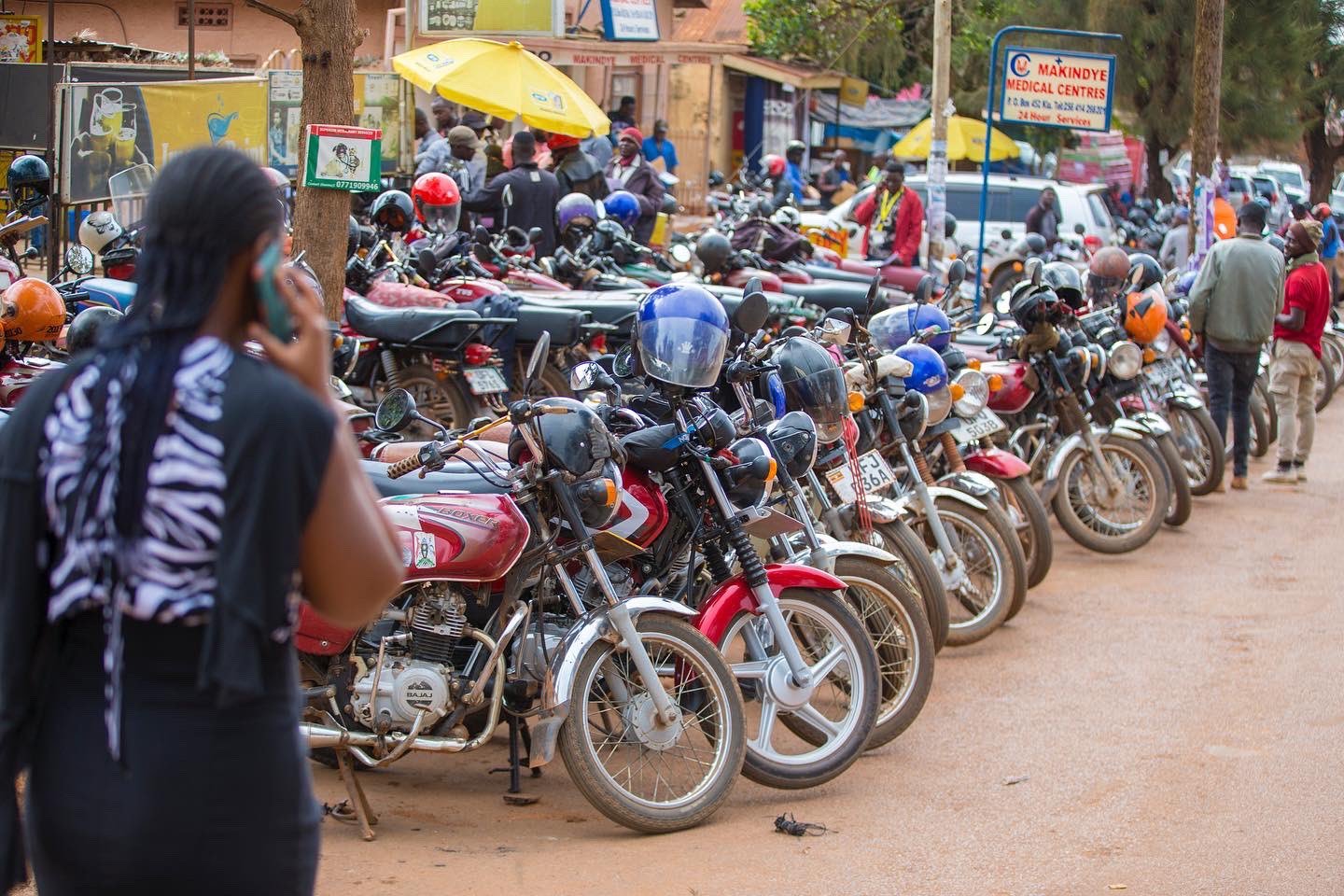
If you are like many Kenyans, you probably work in the informal sector, or what we call the jua kali. Maybe in an industry like the boda-boda, or you run a green grocery, or maybe a small shop. If you are in any of the businesses above and you dream of owning a plot, then this is for you.
You see, over the years I have constantly been asked by many people in the informal sector whether their income is enough to buy a piece of land. And my answer has always been a strong “yes,” provided they have a strong savings strategy and the right information.
Unfortunately, there is a common myth out there that land ownership is for those with stable salaries. And this couldn’t be much further from the truth. Many of the people that contact us in search of plots are majorly in the informal sector. That is why I have decided to create this blog to give you practical strategies, a list of the best locations for budgets under 1 million, and the various financing options to help you achieve your dream.
informal sector reality
Let me start off by saying that I get your concerns. Having irregular income in such an economy where the price of basics like food and rent is ever on the increase can be intimidating. At times you are probably left with Kes. 500 a day, and you can’t help but wonder, “Will this ever buy me a plot?” Comparing your income to the current land prices probably makes you feel like land ownership isn’t for you.
And I don’t blame you. In the recent past, land-selling companies have been making the land supply seem like it’s coming to an end. They employ FOMO marketing, which is the Fear of Missing Out. And this often pushed many people towards making hurried decisions or losing hope.
However, as someone who has travelled Kenya, I can assure you that there is enough land for everyone. So don’t lose hope or be in a hurry. Whatever your budget is, there is a plot out there for you if you will follow the tips I have provided below.
How to save on irregular income
Saving is your best option in land ownership if you make irregular income. So in this part, I will be giving you some strategies on achieving your saving goals. And how all these add up to a plot.
1. daily or weekly saving
This is one of the most practical methods that many people use to get to their intended goals. Let us assume you are left with Ksh 500 daily; if you commit to saving this amount for 5 days a week for a whole year, you will end up with Ksh 130,000 at the end of the period.
The Math:
Ksh. 500 x 5 days x 52 (number of weeks in a year) = Ksh. 130,000
Ksh. 130,000 a year x 4 years = Ksh. 520,000
Small habits like these might seem insignificant when you start, but the discipline you build will help you achieve much greater things in life. If you keep up the discipline for 4 years, you will be somewhere near Ksh 500,000. Enough to get you a small plot somewhere in an upcoming area.
2. Save via investment platforms

If you are like me and hate keeping your money in a bank account, then there is a way you could get to your goal quicker. The secret is saving through investment platforms like money market funds, popularly known as MMFs. Instead of having cash sitting around in your bank doing nothing, if you put it in an MMF, you could earn interest on it.
Take the example of saving Ksh. 500 daily for 5 days a week. You will have Ksh. 130,000. If you decide to put this in an MMF that yields 10% per annum and continue saving, your money compounds. One such popular MMF is the Zidii MMF by Safaricom, which I would highly suggest you learn about.
Assuming:
Ksh 130,000 x 10% (annual interest) = Ksh 13,000 as your interest.
So at the end of the year you will have Ksh 130,000 + Ksh 13,000 = Ksh 143,000.
Now imagine saving a bigger sum of money. The interest would be quite significant and help you get to your plot faster. Taking the example above where you have saved Ksh. 520,000 in an MMF, the interest on one year alone would be
Ksh. 520,000 x 10% (annual interest) = Ksh. 52,000 as interest.
Your end-of-year total would be Ksh 520,000 + Ksh 52,000 = Ksh 572,000.
3. Have separate accounts for needs
Life comes with its ups and downs, and you might experience some emergencies along the way. To help you stay on the course towards owning a plot, you will need to have some separate accounts for this. Let me give you my personal strategy for this.
So I have 2 accounts: a bank account where I do my savings for investments and another account where I put money for expenses. For things like food, rent, and fees, I draw from the expenses account. If I have a project like buying land or doing a build, I normally put the money in my “investment account.”
Separating my money in this way enables me to avoid unnecessary spending. This in turn helps me prevent scattering my money.
4. Automating savings through sacco standing orders
Saving through Saccos is another helpful tip. Saccos by definition help you save and access credit/loans at favorable terms. Many people working in the informal sector use Saccos to pull their resources together and do bigger things. Personally, I would not adviseanyone to go through the strain of obtaining a loan if it is not going into a venture that will generate income.
However, if you have a good plan, you can obtain x 3 of your savings and cut down on the time you would have taken to save. Back to our example, if you saved Ksh. 130,000 in a Sacco and got a loan three times your savings, that would be Ksh. 390,000, which can buy a good lot, and you can now channel your effort into paying down the loan.
NOTE: Always be careful of the terms offered in the loan to ensure you are not getting charged crazy interest.
5. save more in high-income periods
Many of us focus on the bad side of having irregular incomes; however, there is a positive to it as well. There are definitely periods where you make more money than others. Whether it is a busy month or just a good deal has come your way. Instead of using the extra cash to buy unnecessary things like upgrading your already perfect phone, you can save more of the income.
Financing options for irregular income earners
In Kenya, many banks rarely finance people with irregular incomes because of the non-existent credit scores. However, all hope is not lost; there are many ways that you could use to finance a plot purchase if you are in this group.
1. sACCO land purchase savings + loans
SACCOs are the best way to get financing for anything if you are in the informal sector. For many of them, the process of acquiring loans is quite straightforward. All you need is to have saved with the SACCO for a period of at least 3 months and have guarantors. By just fulfilling these requirements, you can easily get a loan three times your savings. For this to be helpful, you can join a group with similar interests. For instance, if you are a boda-boda group, you can easily pull resources together and act as guarantors to each other.
2. Co-Buying or investment groups
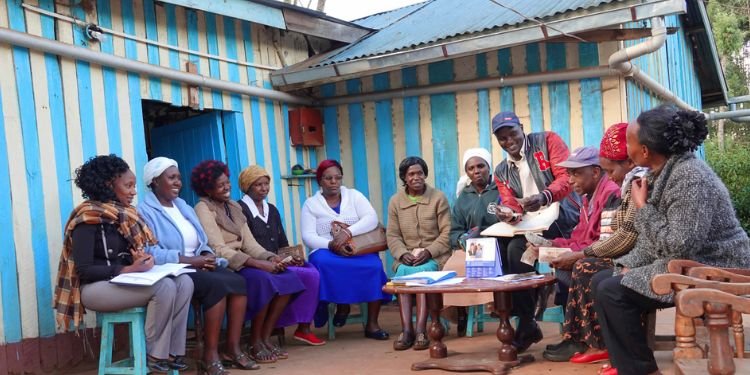
While property prices have indeed gotten high, a good way to buy plots is through co-buying. This is when you get 1 or more people together and you purchase a plot. If, for example, you want to buy a plot worth Ksh. 700,000 and you only have Ksh. 200,000, you can get two people together and top up the amount for the purchase. I have seen huge groups, e.g., trader associations, go and buy a huge chunk of land and subdivide it at a cheaper price to its members. Just make sure everything is in writing to avoid conflicts in the future.
3. Chamas & Rotation Contributions
Another effective way to finance a plot purchase with irregular income is by leveraging a chama. Chamas allow members to pool resources, creating a sizable fund that can be used to make significant purchases like land. For someone with irregular earnings, contributing to a chama provides a disciplined savings mechanism. Beyond just funding, chamas also offer access to like-minded individuals. People who can provide guidance, share investment insights, and even co-invest. This makes the process of acquiring land less risky and more collaborative.
4. Developer installment plans
Many land-buying companies have discovered the untapped potential that exists within the informal sector. And they have tailored a suite of products to actually help you. Provided you have made your deposit, which is just a small amount compared to the purchase price. You can agree on friendly monthly contributions from the seller. Just make sure you read through the purchase agreement to avoid getting trapped in “tricky” clauses.
Locations to find land on a budget
| Budget | Possible Locations | Typical Plot Size | Notes |
| 250K – 350K | Matuu, Mwingi, Malindi outskirts, Konza outskirts (further out), Nanyuki outskirts | 1/8 acre | Ideal for beginners; good for land banking. |
| 350K – 500K | Joska (further inside), Isinya outskirts, Nakuru outskirts (Pipeline area), Kajiado interior | 1/8 acre | Growing areas with mid-term appreciation. |
| 500K – 700K | Kitengela outskirts, Juja Farm, Ruiru East, Malindi–Gede corridor, Nanyuki (developing zones) | 1/8 acre | Balance between affordability and infrastructure. |
| 700K – 1M | Kamulu, Utawala outskirts, Thika prime outskirts, Kitengela mixed-use zones, Ruai | 1/8 acre | More serviced plots; water/electricity likely available. |