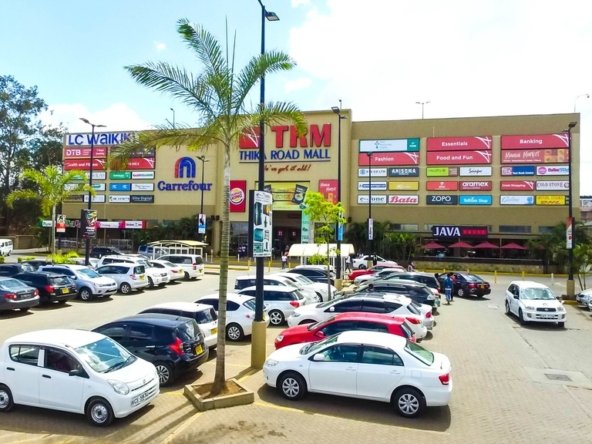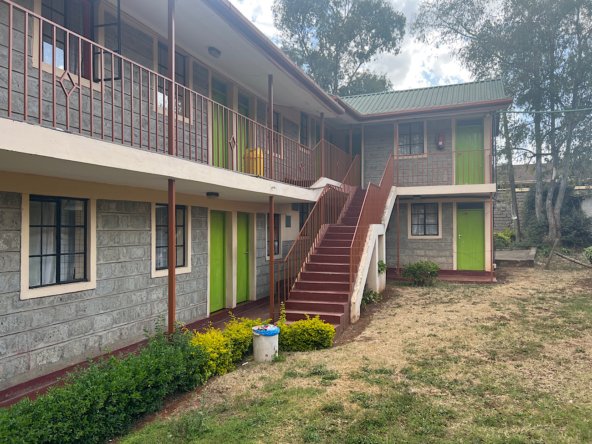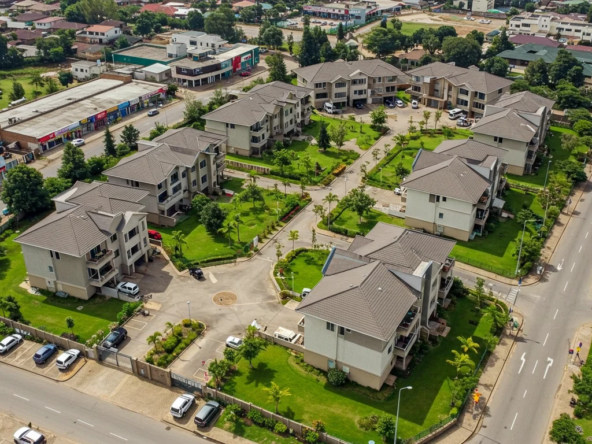
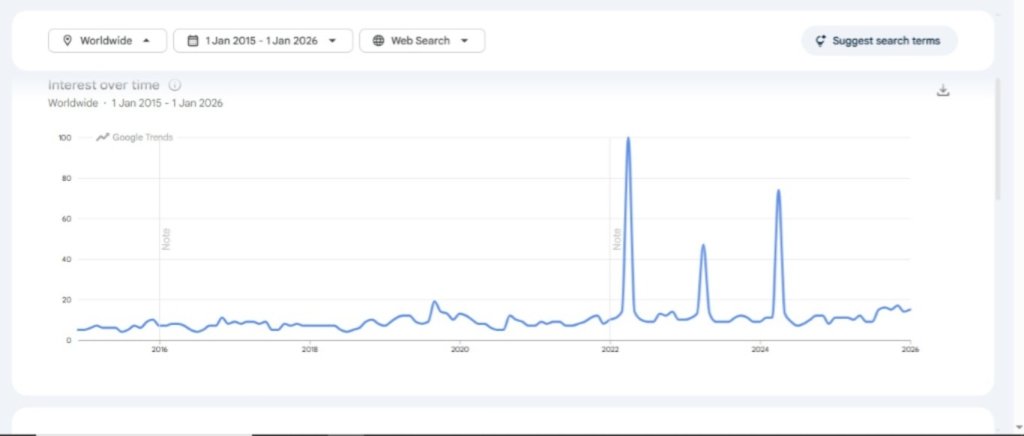
Over the past decade, the term “climate change” has been flung around in nearly all conversations related to environmental issues. The term seemed like the answer to every issue that could not be explained in any sector. However, amid the confusion, one thing I respect about this is the fact that environment-related issues gained the much publicity they needed. By being engrained in all our conversations, people began to take notice, policies began to shift, and awareness grew drastically. In fact, a search on Google Trends reveals how interest has grown in the subject issue globally, with some spikes noted when global disasters struck.
"Untouched" Sectors
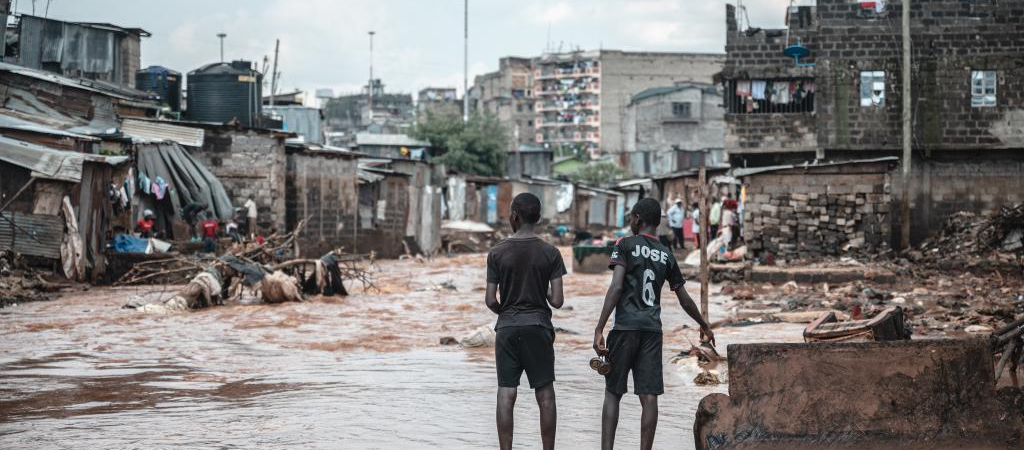
Amid the rise in popularity, some sectors seemed less affected or, better yet, “untouched” by the phenomenon. One such sector was the real estate industry. Somehow it was hard to relate dry spell conditions with construction or rising sea levels with property. It seemed as though the industry were “risk-proof,” especially here in the global south, where much of our conversation at the time was on food security. However, as time progressed, the link began becoming clear, and now it cannot be ignored. As of the time I am writing this article, the rainy season has begun, and what is seen as good news to farmers and the nation is seen negatively by most property owners, tenants, and builders.
This reveals the once-hidden risk that most property investors once ignored and that is “climate risk.” Over the past years, heavy rains and poor planning have turned whole gated estates into inundated areas. Places like Syokimau, which are often dry, have turned into overnight lakes, with people jokingly posting flooded estates as “beachfront” properties. Jokes aside, such climate-induced risks have slowly been shaping decisions from investors, buyers, and even financiers. And if you think this is only a problem for the gated-community developments, then you are wrong. Apartment blocks in many satellite areas that have been witnessing such floods have also seen the gravity of the situation.
How climate risk affects your property
1. Lowered location appeal
So how does climate risk affect your property? Well for starters, let me point out something called “perception.” Majority of times when we think of real estate investing, we are often told, “Location!” Location! Location! This perception is slowly being shaped as many buyers have begun querying the location. It’s not enough for a person to buy prime land anymore if during rainy seasons they are going to be forced to use a boat to access their property. The changed perception has led to some once-coveted areas having less appeal to buyers due to some of these issues. Often buyers or developers will try and get to the question, “Does this area flood during rainy seasons?” In fact, people looking to purchase have been preferring to hunt for properties during rainy seasons, making this risk a must-consider for developers.
2. Raising insurance premiums
Insurance companies that offer property insurance have also been seen to raise premiums, especially for high-risk areas. Hiking premiums are just a proxy for the financial risk that climate catastrophes pose to properties. With this comes an increase in operating costs for properties, and when passed down to tenants, they lead to hiked rents. In 2024 alone, flood-related claims in Kenya rose to about KSh 5 billion, showing that the issue has really touched our market. With adverse conditions souring, we can expect premiums to go up even more, affecting affordability.
3. increased tenant turnover & vacancy rates
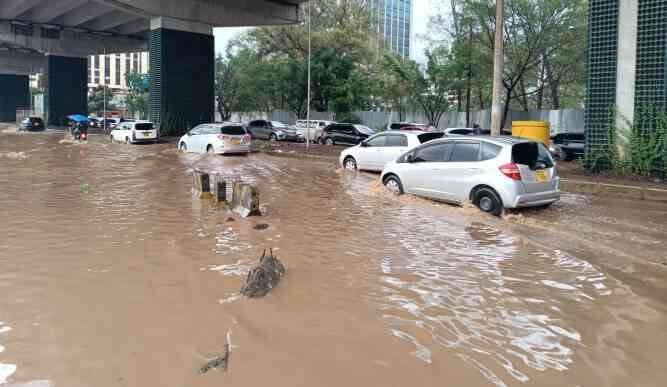
For middle-income satellite areas, this risk is often manifested in terms of tenant turnover and high vacancy rates. The majority of Kenyans who are housed in the formal areas fall in this bracket. With renting being the predominant form of tenure in such areas, landlords and property managers often decry losing tenants. This happens especially during rainy seasons due to flooding in lower-level buildings and inaccessible roads pushing tenants to better areas. Moreover, affected services such as water and electricity exacerbate the problem. With high vacancy rates, recouping one’s investment takes longer, and the cost of fixing units affected by water damage slowly eats through profits. Hiking rents in such areas is also not feasible, as it would lead to more vacancies.
Now, to land my point, the climate risk in today’s real estate industry can’t be ignored. It is shaping conversations, financing, and market sentiments, and ignoring it will be dire. If you are seeking to undertake any development, buy a property, or rent it out, always factor this in your due diligence phase going forward.