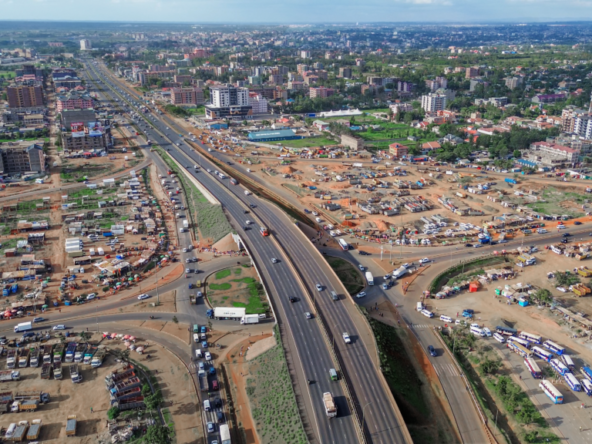
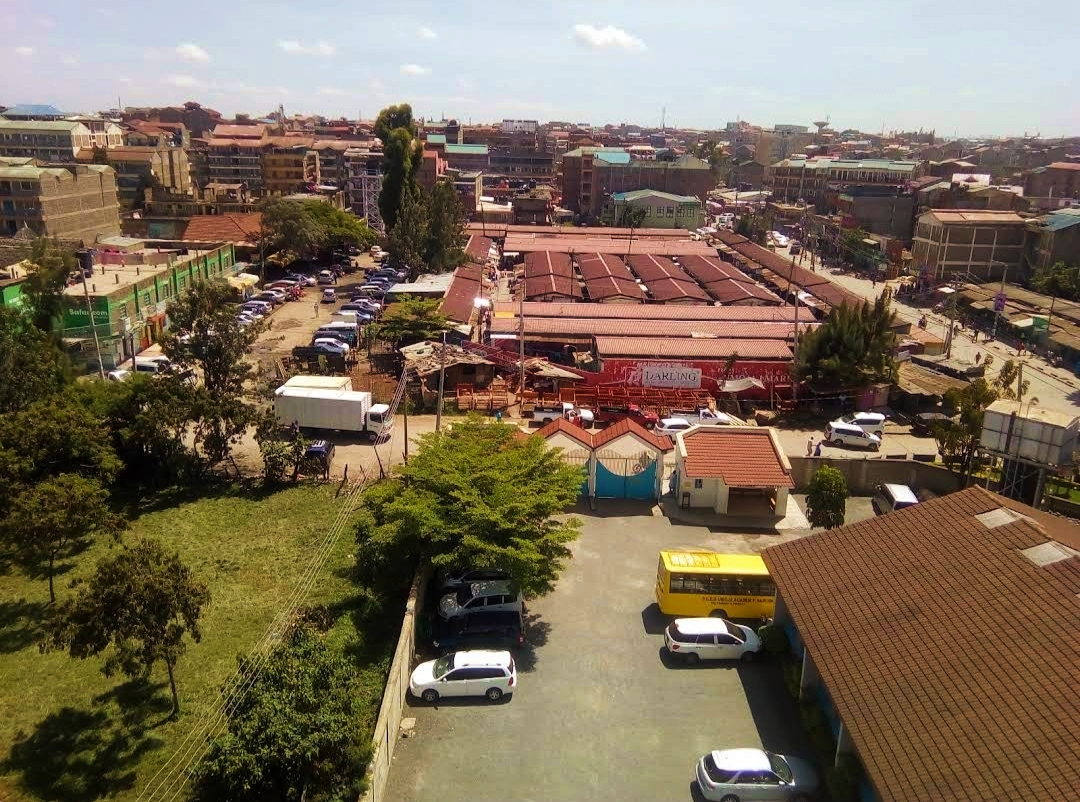
Umoja is one of Nairobi’s suburb that is located about 8 km from CBD in the Eastlands area. It is part of the larger Embakasi sub-county and is divided into three localities: Umoja 1, Umoja 2, and Umoja Innercore. People often move here due to its proximity to Nairobi and the affordable housing options available.
History of Umoja
Umoja’s history dates back to the times when Nairobi was a municipality. The area was set aside to house the growing city population. A commission called the Nairobi City Commission began the construction of houses, which they charged renters on a monthly basis. However, due to insufficient capital, the commission stopped building and decided to give people land to build provided they pay land rates.
Initially, Umoja had started off like Buruburu with well-constructed houses, but after the public was given the freedom to build, they ended up flaunting planning regulations. Unplanned developments & huge population growth has made Umoja lose its appeal over time. However, if you are looking for a conveniently located area next to CBD with good rents, Umoja can be a good place to live.
House Prices in umoja
Umoja has a good mix of housing options; from Bedsitters, 1-Bedrooms, 2-Bedrooms and even bigger own-compound bungalows. Let me begin by saying that Umoja is experiencing an identity crisis. Having started as one of the planned suburbs, there are some areas with gated communities and well-planned-out services. Most of these areas have either bungalows or stand-alone houses.
The parts of Umoja that have undergone growth recently are marked by apartments and building flats. You can find bedsitters, 1-bedrooms, and 2-bedrooms in these areas. While rents depend on the quality of the house you are getting, I have tried my best to summarize rent ranges. Older buildings tend to be cheaper compared to newer ones.
| Housing Type | Typical Monthly Rent (KES) |
| Bedsitter | 5,500 – 12,000 |
| 1-Bedroom | 12,000 – 30,000 |
| 2-Bedroom | 18,000 – 35,000 |
| Standalone Bungalow | 25,000 – 55,000 |
Who lives in umoja?
If I were to sum up the people living in Umoja, I would say that the majority of them are the city working-class group. These are professionals, businesspersons, and employees who work in the city nodes like Nairobi CBD, Upperhill, or Westlands. The area houses many families, and if you are looking for a child-friendly environment, the well-planned parts of Umoja can be a great choice for you.
Schools in Umoja
With its growing population, a number of schools have found Umoja to be a great area to set up their institutions. The area consists of schools such as;
1. Public Schools in Umoja
- Umoja 1 Primary School – Public primary school in Umoja.
- Busara Primary School – Public primary school in Umoja II.
- Unity Primary School – Public primary school.
2. Private Schools in Umoja
- PCEA Umoja Academy – Educational center offering primary-level classes.
- Fadhili Junior School – Private junior/primary education.
- Umoja 2 Spring board Academy – School with good local reviews.
- Tumaini Primary School – Primary school in Umoja.
- Bright Morning Star Academy – Academy in Umoja II.
- Lakewood Academy Umoja – Local primary school.
- Twin Kids Academy – Early childhood/primary education.
- Cathsam Primary School – Private primary school on Moi Drive.
- Brave Learners Academy‑ UMOJA – Primary school in Umoja.
- Twilight Junior School – Junior school in Umoja II.
- Lakewood Schools Kenya – Additional primary/elementary option nearby.
Hospitals in Umoja
- Mama Lucy Kibaki Hospital – Large public hospital serving Umoja and Eastlands residents. Offers emergency services, maternity, surgery, etc.
- Radiant Group of Hospitals – Umoja Branch – Private hospital on Manyanja Road/Moi Drive with inpatient and outpatient care.
- Umoja Hospital – General hospital in Umoja serving a range of medical needs.
- Umoja 3 hospital – Local community hospital in the area.
- Umoja Modern Medical Centre – Private medical facility on Moi Drive.
Shopping Centers in Umoja
1. Space Mall
This is a local shopping mall on Moi Drive with retail shops and services. It hosts businesses like entertainment joints, barber shops and Salons. It offers a mix of leisure and retail catering for the day-to-day needs of Umoja residents.
2. Umoja 1 Market
The Umoja 1 market is a large market area with stalls selling a variety of goods (clothes, electronics, beauty services, etc.). It also mixes pleasure and retail hosting some of the best executive barbershops and Salons.
How to get to umoja?
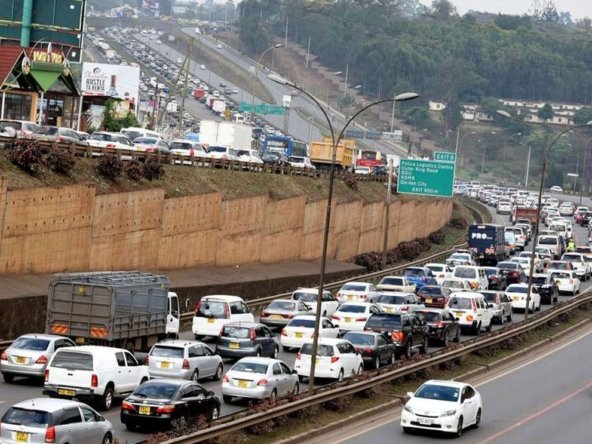
Umoja is quite accessible to the city, with great access through Jogoo Road and Outer Ring Road connecting quickly to Nairobi CBD. If you are in Nairobi CBD, you can board a matatu or bus number 19, 35, or 60 at the Khoja bus station near Old Nation house.
Bus fare from Nairobi to Umoja typically ranges from Ksh. 50 to Ksh. 150 depending on whether it’s a rush hour or not. Aside from public transportation, Umoja’s proximity to Nairobi means that there are always taxis and Uber rides available 24/7.
Advantages of staying in umoja
1. Cheaper than most Suburbs
Over time, most suburbs in Nairobi that were affordable and next to the city have slowly become unaffordable due to the high demand for housing. Umoja has kept up, but the poor infrastructure in some areas has kept rents relatively affordable. So if you are just looking for a place to call home near Nairobi, Umoja can be a wonderful place to start.
2. Good infrastructure in some parts
Some of the areas that were well planned out offer great access to roads, water, and the gated community vibe. This obviously comes at a cost, but if you are willing to sacrifice the extra coin for comfort, the well-planned estates of Umoja can be a wonderful choice.
3. Good transport
A huge reason people move to Umoja is to be near their places of work at CBD or Mombasa Road. Because of this, Umoja offers a variety of transportation options, from public transportation to private ride-hailing services such as Uber. The benefits of living in a place like Umoja is that regardless of the time you get off work, you are almost certain to find your means home.
Cons of staying in umoja
1. Poor Infrastructure
The unplanned parts of Umoja come with the disadvantage of poor infrastructure. This issue is compounded by the large population competing for resources such as water. Over time, some parts of Umoja Innercore have attracted informal settlements and squatters. This always causes a problem with health and security down the line.
2. Unplanned developments
The unplanned nature of some pockets of Umoja has caused a non-uniform quality of living that varies block to block. While it is not often a big deal, the social gap can at times lead to conflicts. This is particularly true during periods of instability in the country, such as elections or protests. So if you love a place with uniform living standards, Umoja might not be the best place for you.