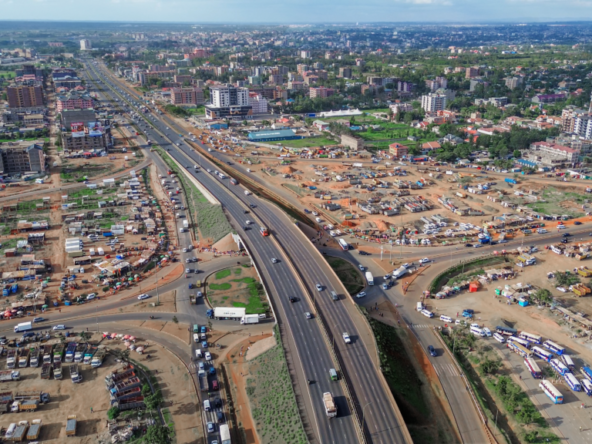
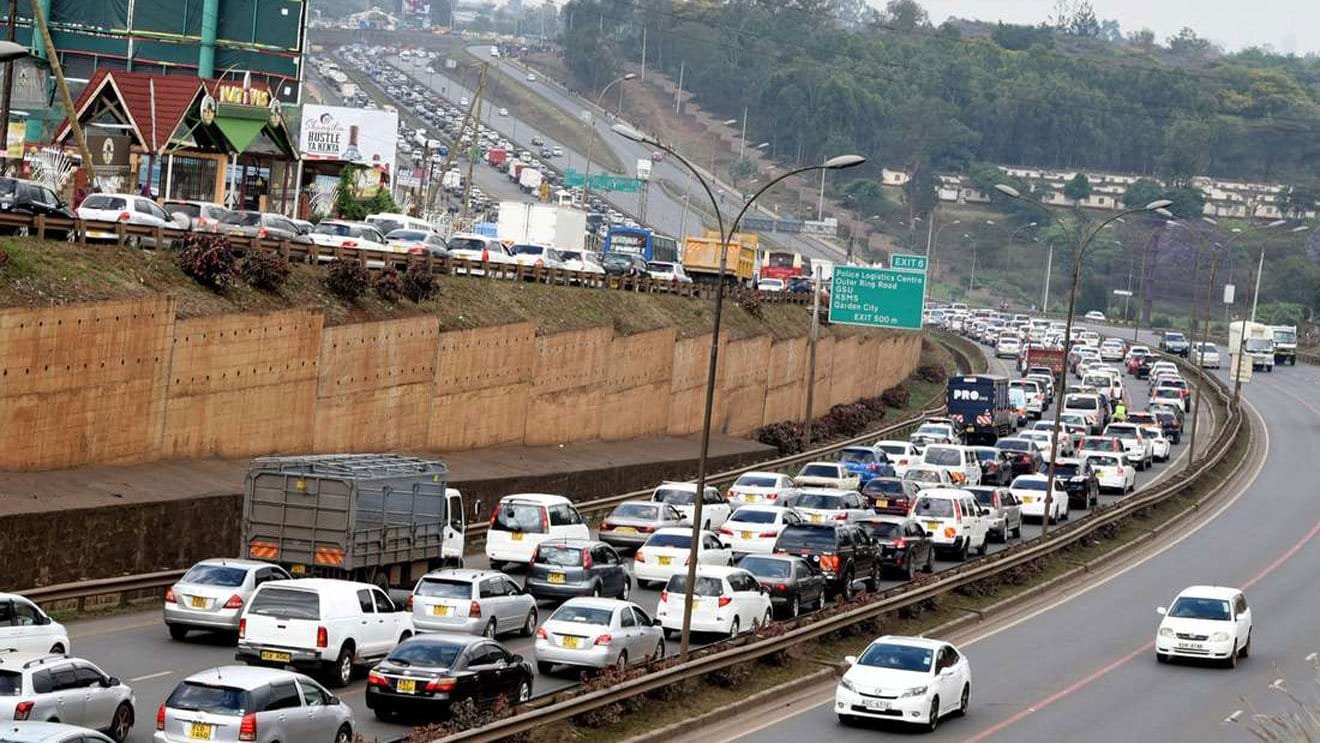
Thika road has become one of Nairobi’s most popular corridors since 2013. What began as an ambitious infrastructure project by Kibaki’s government has redefined the property market along the towns it passes through. The accessibility brought about by the highway has led to the growth of unprecedented businesses, amenities, and support infrastructure.
This combination of factors is what most renters look for before moving into an area. As a result, areas along Thika Road are continuing to usher in residents who value access, a decent lifestyle, and affordable living. In this blog, I will be breaking down major estates along Thika Road, the pros and cons of each area, as well as who lives there.
Who majorly lives along thika road?
Each area in Nairobi attracts a certain group of persons. Maybe it’s because of the vibrancy, cost aspect, nature of houses, or the pace of life. All these reasons bring together a group of people who share some common characteristics. Knowing this will help you as a renter to pick out areas that match your needs, personality, and budget.
1. Students
There are many colleges and universities along Thika Road. Institutions like Kenyatta University, JKUAT, NIBS, Zetech, and others are found along this stretch. For most students, it makes a lot of sense to rent close to their institutions for the convenience of commuting. Investors near these colleges have understood this, and many of them have put up student housing. For the institutes in Nairobi CBD like UoN, finding affordable housing near the city is always expensive; hence, most students also rent along Thika Road.
2. First-Time workers
Many of the learners who have graduated rarely want to leave Nairobi because of the prospects of finding employment. So when they get jobs and transition into the workforce, many of them prefer to stick to the areas they are already familiar with. Moreover, the distance to major work nodes like CBD, Westlands, and Upper Hill from many of the neighborhoods is very manageable.
3. Freelancers
Many young Kenyans are making a decent living online. Whether it’s through remote work, gigs, or content creation, the future of work has moved to digital platforms. The location and money freedom have allowed many freelance workers to move to have multiple choices as to where they will live. Thika Road areas provide a good mix of entertainment, security, and affordable housing options that many freelance workers find convenient.
4. commuters to nairobi CBD
For people working in Nairobi CBD or the neighboring work nodes, Thika Road offers a good mix of affordability and accessibility. With many areas around the CBD being quite expensive, people on a budget prefer neighborhoods along Thika Road. And while morning traffic can be a huge concern, if you are able to get to town early, you can beat the jam.
5. Middle-income families
Rent is a big factor attracting people to Thika Road. From experience and even data from our listings, many areas near Nairobi are becoming quite expensive. Waiyaki Way, though near the CBD, is becoming out of reach for many middle-class families. The Eastlands area, on the other hand, is also a bit pricy with poor-quality units in most parts. The remaining areas, like Mombasa Road and Ngong Road areas, are either expensive or too far from the capital to make any sense. This leaves Thika Road as being the perfect blend of affordability and decent housing options in Nairobi for many middle-income families.
6. Small Business owners
Seeing that many people prefer living along this corridor, the population of towns and neighborhoods has grown rapidly. This has presented many businesses with an opportunity to serve the people and make money from their services or products. Because many of these entrepreneurs run SMEs and small shops, they prefer living in the areas they operate in. Contributing to the group of people residing in these places.
Estates & Rent prices along Thika road
1. Royasambu
Roysambu is one of the most vibrant estates owing to the active nightlife present. It also comes with good-quality houses with diverse typologies like bedsitters, 1-bedrooms, and 2-bedrooms, which are affordable. The area is a hub to many young freelancers, students from USIU and Pan African University, as well as business operators in the area. It is broken down into several pockets, which include;
- Mirema drive
- Lumumba drive
- Zimmerman
- Marurui
- Roysambu TRM area
Rent Prices
| Unit Type | Average Rent (KES) |
| Bedsitter | 10,000 – 12,000 |
| 1-Bedroom | 18,000 – 35,000 |
| 2-Bedroom | 30,000 – 55,000 |
2. Kasarani
Kasarani is the second most populated sub-county after Embakasi, and it has a lot to do with the affordability and diverse housing options around. The area presents something for everyone; whether you are looking for gated estates, bedsitters, 1-bedrooms, etc., you can always find it here. The fact that it is 16 km from the CBD makes it even more desirable for commuters who don’t want to break the bank to pay rent. Kasarani is broken down into several pockets which include;
Rent Prices
| Unit Type | Average Rent (KES) |
| Bedsitter | 7,000 – 10,000 |
| 1-Bedroom | 9,000 – 15,000 |
| 2-Bedroom | 15,000 – 25,000 |
3. Kahawa Wendani
It is a common area with students especially from Kenyatta University. However, it also houses many young professionals who either work remotely, in CBD or in the eastern bypass work node. Kahawa Wendani has several areas within it such as;
- St Joseph area
- Magunas area
- Baringo road
- Clean shelf area
Rent Prices
| Unit Type | Average Rent (KES) |
| Bedsitter | 9,000 – 12,000 |
| 1-Bedroom | 12,000 – 18,000 |
| 2-Bedroom | 18,000 – 30,000 |
4. Kahawa Sukari
This area is popular among families. The gated communities that offer security and a controlled environment for growing children attracts many growing families. It is largely a low-density residential area with few apartments. Houses here can be quite pricy but dual earning families looking for a stand-alone home can easily rent here. The road access within the estate is also well-developed adding to its appeal. The estate is broken down into several pockets like;
Rent Prices
| Unit Type | Average Rent (KES) |
| Bedsitter | 12,000 – 15,000 |
| 1-Bedroom | 18,000 – 30,000 |
| 2-Bedroom | 30,000 – 50,000 |
| Maisonette | 60,000 – 120,000+ |
5. Githurai 45
The Githurai area is the most affordable pocket along Thika Road. It is popular with Jua Kali workers who are on a budget when it comes to housing. The cost of living is also very low, as most food markets serving nearby estates like Kasarani and Kahawa areas are located here. This makes the cost of food bearable for many Nairobians who don’t have deep pockets. Commuting to the CBD is also very cheap from Githurai, as fares rarely pass 50 shillings. This definitely comes with some issues, such as poor quality of houses as well as insecurity in some parts. However, with infrastructure developing within the area, decent housing options are cropping up. Areas in Githurai 45 include;
Rent Prices
| Unit Type | Average Rent (KES) |
| Bedsitter | 3,500 – 7,000 |
| 1-Bedroom | 6,000 – 12,000 |
| 2-Bedroom | 10,000 – 18,000 |
6. Ngumba Estate
Ngumba is a small but strategic estate located just after Garden Estate along Thika Road. It is relatively quiet and attracts middle-income residents due to its proximity to the CBD and better housing quality compared to nearby high-density areas. It is a great place for families as it comes with gated estates.
Pockets within Ngumba include;
- Ngumba Phase 1
- Ngumba Phase 2
- Garden Estate edge
Rent Prices
| Unit Type | Average Rent (KES) |
| Bedsitter | 8,000 – 12,000 |
| 1-Bedroom | 12,000 – 22,000 |
| 2-Bedroom | 22,000 – 35,000 |
7. Thome Estate
Thome is a high-end residential estate known for its spacious homes, gated communities, and serene environment. It is popular with upper-middle-class families and expatriates looking for privacy and security. It majorly consists of stand-alone homes on big lots
Pockets within Thome include;
- Phase 1 Thome
- Thome Phase 2
- Thome Phase 3
- Garden Estate
Rent Prices
| Unit Type | Average Rent (KES) |
| 1-Bedroom | 25,000 – 40,000 |
| 2-Bedroom | 40,000 – 70,000 |
| Maisonette | 80,000 – 150,000+ |
8. Zimmerman
Zimmerman is a dense and affordable residential area popular with young professionals and small families. It has a vibrant business environment and offers relatively affordable housing with good access to Thika Road.
Pockets within Zimmerman include;
Rent Prices
| Unit Type | Average Rent (KES) |
| Bedsitter | 5,000 – 10,000 |
| 1-Bedroom | 9,000 – 16,000 |
| 2-Bedroom | 16,000 – 28,000 |
9. Ruiru
Ruiru is a fast-growing satellite town with a mix of affordable and middle-income housing. It attracts people working in Nairobi due to relatively lower rents and improved infrastructure. What I love about ruiru is its rural-urban vibe which lets you enjoy the serenity of its rural side and the amenities of the urban. Moreover, the Ruiru-Bypass connecting Northern and Eastern bypass improved accessibility even further.
Pockets within Ruiru include;
Rent Prices
| Unit Type | Average Rent (KES) |
| Bedsitter | 4,000 – 8,000 |
| 1-Bedroom | 7,000 – 15,000 |
| 2-Bedroom | 12,000 – 25,000 |
10. Juja
Juja is a university town dominated by students from JKUAT. It has a vibrant, youthful environment with very affordable housing options and growing real estate developments. Juja also connects easily to other towns like Thika and Ruiru which has a cross-over effect. This means that small business owners can operate businesses in Juja and live in these towns and vice versa.
Pockets within Juja include;
- Juja Town
- JKUAT Gate area
- Highpoint
- Weiteithie
Rent Prices
| Unit Type | Average Rent (KES) |
| Bedsitter | 5,000 – 10,000 |
| 1-Bedroom | 7,000 – 14,000 |
| 2-Bedroom | 12,000 – 22,000 |
11. Kenyatta Road
Kenyatta Road is a developing residential area along Thika Road that is gaining popularity due to affordable land and housing. It is ideal for people looking for quiet suburban living away from the city hustle. It consists of both estates and apartment options. This means that it can house a variety of renters; from families to students.
Pockets within Kenyatta Road include;
- Exit 11 area
- Gatundu Road junction
- Inland Depot (IDP) side
Rent Prices
| Unit Type | Average Rent (KES) |
| Bedsitter | 7,000 – 10,000 |
| 1-Bedroom | 8,000 – 15,000 |
| 2-Bedroom | 15,000 – 25,000 |
| 3-Bedroom | 25,000 – 50,000 |
12. Membley estate
Membley is a controlled, gated estate in Ruiru popular with middle- and upper-middle-income families. It offers modern standalone homes, good security, and a quiet environment. There are also some high-density residential flats offering bedsitters, 1-bedrooms and 2-bedrooms in the area. Membley area is a good place to live if you want a quiet place next to the city. The area also accesses Northern Bypass area, which comes in handy if you commute towards Kiambu areas.
Pockets within Membley include;
Rent Prices
| Unit Type | Average Rent (KES) |
| Bedsitters | 10,000 – 16,000 |
| 1-Bedroom | 15,000 – 20,000 |
| 2-Bedroom | 25,000 – 45,000 |
| 3-Bedroom | 40,000 – 70,000 |
| Maisonette | 70,000 – 120,000+ |
Pros of thika road
1. Accessibility – the Thika highway and feeder roads within many of these estates have made it very accessible. This is why many Nairobians working in the CBD have moved here. Public transportation is also well developed, and all areas have a matatu SACCO plying the route.
2. Affordability – Many localities along Thika Road are affordable to most middle-income Kenyans. Unlike other zones like Waiyaki Way where rents are too high.
3. Good quality of houses – Many of these towns have been developed in the recent past and hence are more modern than in parts like Eastlands, which was developed in the last century.
4. Vibrancy – The majority of Nairobians are youths; this means that access to entertainment areas is a big thing for them. Thika Road is home to many clubs, joints, and retail outlets that serve this need.
5. Multiple housing options—most apartments come with many typologies to choose from. Whether it’s bedsitters, 1-bedrooms, or 2-bedrooms, you are sure to find what you want. This makes it suitable to nearly everyone, catering to families as well as young professionals and even students.
cons of thika road
- Traffic congestion – owing to the fact that many people live along these corridor, traffic congestion during peak hours becomes a big problem. Seemingly, most of the middle-class people living there drive to work which magnifies the issue.
- Insecurity – some areas are known for making news headlines because of insecurity. Places like Roysambu have recently been on the spotlight for murders. Similarly, Githurai has always been stereotyped to be insecure, but things are slowly easing out.
Frequently asked questions
1. Where does the Thika Road Start and End?
Thika Road starts in Nairobi at Globe Roundabout and ends in Thika town.
The construction of Thika Road cost about KSh 32 billion.
Part of Thika Road passes through Kiambu County, but the road itself is not entirely in Kiambu County because it begins in Nairobi.
Around KSh 32 billion was used by the Kenya government and partners to build Thika Road.
The construction of Thika Road took about 3 years, from 2009 to 2012.