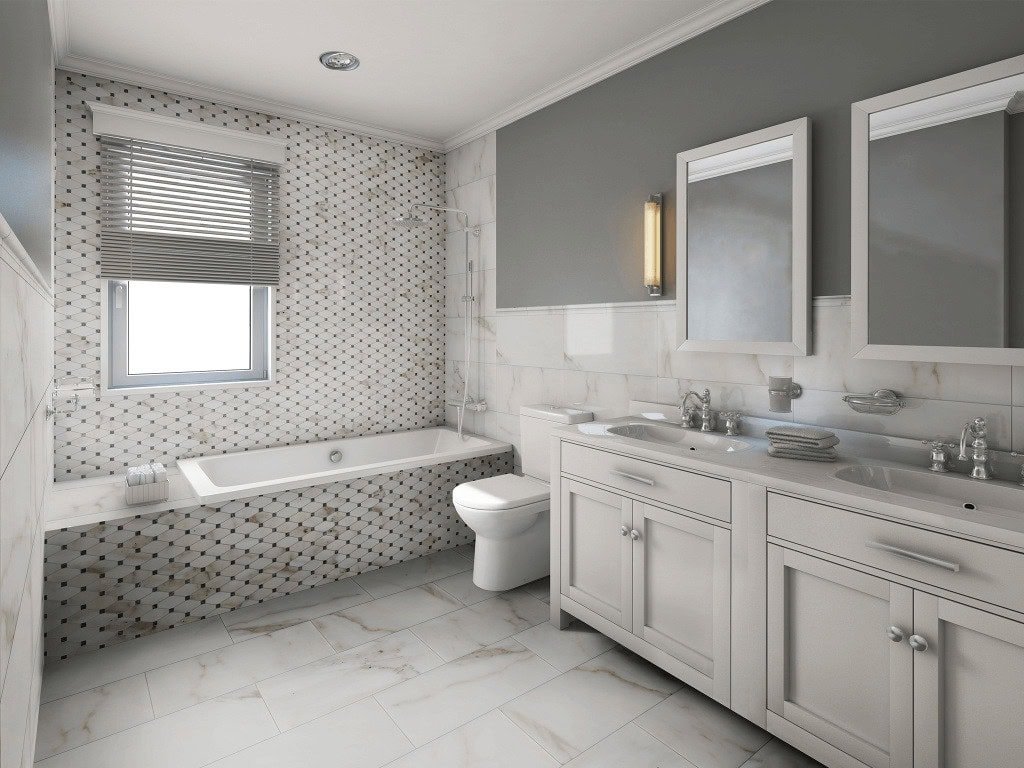
I don’t think tiles are a new construction material for most people. Regardless of where you live, you have interacted with tiles at some point. You have likely encountered tiles in areas such as swimming pools, bathrooms, kitchens, or your living areas.
Tiles have gained a lot of popularity over the years because of how aesthetic, durable, and affordable most of them are compared to previous flooring options like red oxide. Moreover, their affordability sets them apart from more expensive options such as wood floors. They sit right at the center of cost and aesthetics.
However, as much as tiles are a common choice, most people don’t know the nitty-gritty details about them. In this blog I will be giving a comprehensive guide on tiles, including the types, costs, and brands, as well as factors to consider.
Types of Tiles
Tiles come in various types depending on the materials used & their manufacturing process. These factors affect various properties of tiles including; durability, cost and suitability on various areas in the home.
1. Ceramic Tiles
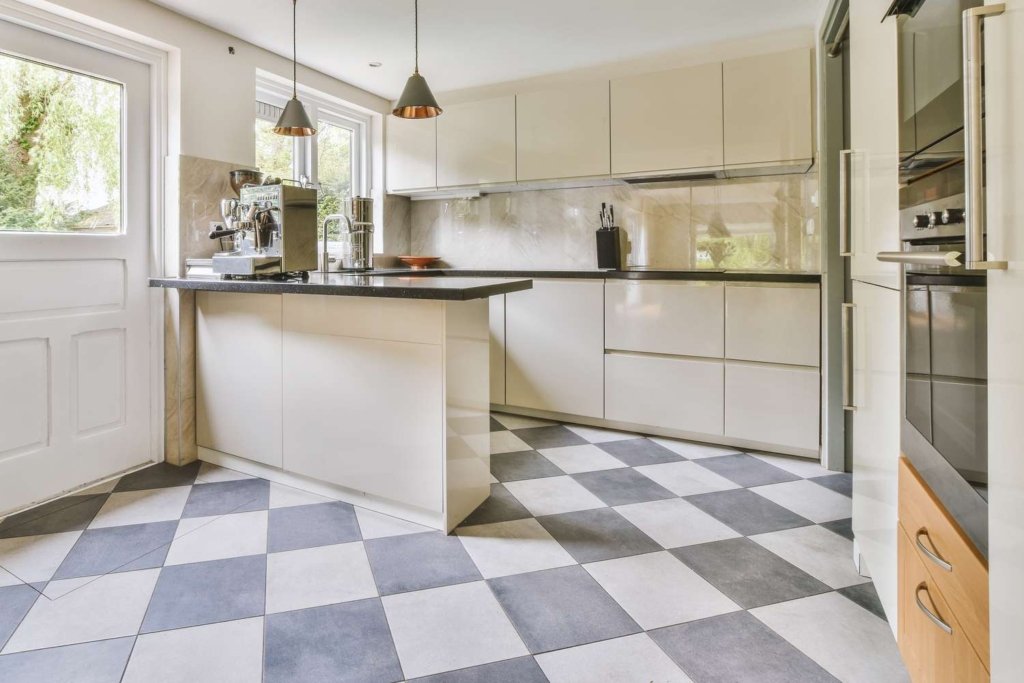
Ceramic tiles are made from red or white clay which is pressed and then glazed before firing. Properties of Ceramic tiles include;
| Property | Description |
| Weight & Hardness | Lighter and softer than porcelain |
| Water Resistance | More porous; less water-resistant unless glazed |
| Installation | Easier to cut and install |
| Best Uses | Indoor walls, low-traffic floors, decorative areas |
2. Porcelain Tiles
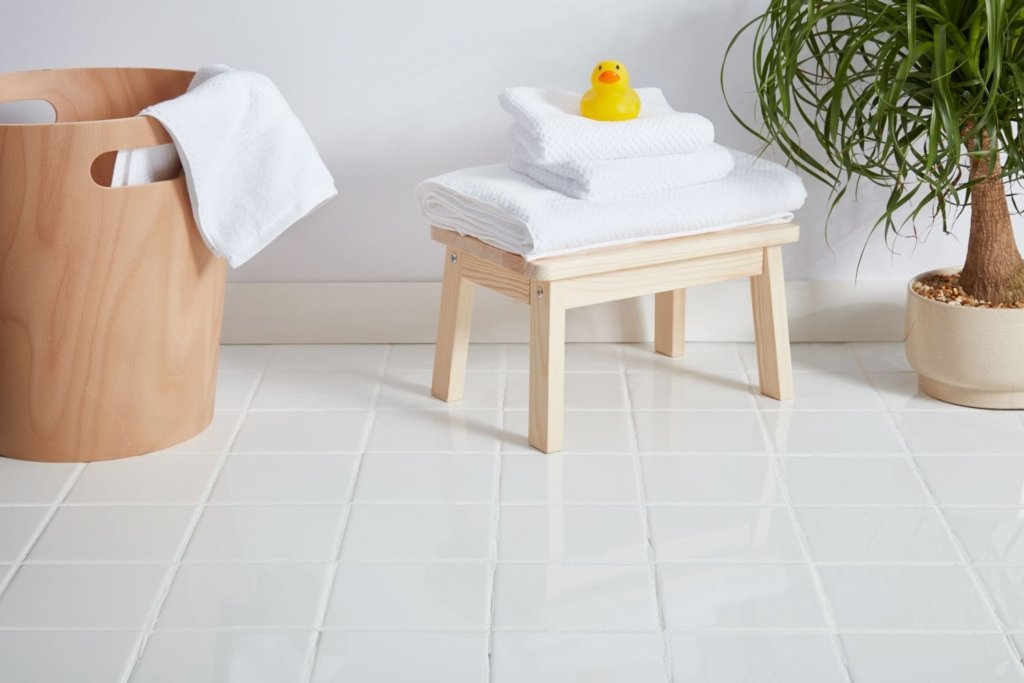
Porcelain tiles are made of much finer clay and as a result they are much denser. The major difference with ceramic tiles is that porcelain tiles are fired at higher temperatures. Their properties include;
| Property | Description |
| Weight & Hardness | Dense and very hard |
| Water Resistance | Highly water-resistant; low porosity |
| Installation | Heavier and harder to cut; requires more skill |
| Best Uses | Bathrooms, kitchens, outdoor patios, high-traffic areas |
3. Stone Tiles
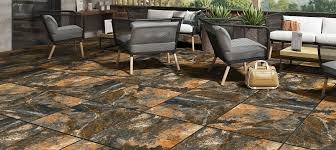
Stone tiles are cut directly from quarried stone before they are polished. This makes them quite unique and as a result they are used in luxury finishes. Properties of stone tiles include;
| Property | Description |
| Weight & Hardness | Very hard; heavier than ceramic and porcelain |
| Water Resistance | Porous; often requires sealing to prevent stains |
| Installation | Heavy; requires skilled installation |
| Best Uses | Living rooms, feature walls, countertops, outdoor spaces |
Tile sizes & cost in kenya
Now let us address the most important reason why you are here, and that is the cost of tiles. Firstly, it is important to mention that tile sizes and types greatly affect the overall cost. Porcelain tiles, for example, are much more expensive compared to ceramic tiles due to their durability. When considering cost, make sure your needs are aligned with your budget.
Popular sizes
The popular sizes of tiles in Kenya include 40 x 40 cm and 60 x 60 cm. Normally, small spaces do better with smaller tiles, and big spaces go well with bigger tiles. If you are choosing the tile for your living room, then a larger format tile is the best choice. It makes the room feel bigger, and the fewer grout joints mean lower maintenance costs.
If you are picking a tile for a small space like a washroom, a smaller format is suitable. This is because it gives you the creative freedom to use busy patterns without the space looking clumsy. I have prepared a table comparing 40 x 40 cm tiles & 60 x 60 cm tiles below;
| Feature | 40×40 cm Tiles | 60×60 cm Tiles |
| Price Range | KSh 1,250 – KSh 1,600 per box | KSh 1,600 – KSh 2,500 per box |
| Area Coverage | 1.92 m² per box | 1.44 m² per box |
| Tiles per Box | 10 – 12 tiles | 4 tiles |
| Best For | Small to medium-sized rooms; tight spaces; budget-friendly options | Large living areas; open-plan designs; contemporary interiors |
| Common Brands | Twyford, Micasso, Goodwill | Twyford, Dakar, Arctic Gold Grey |
Calculating Tile quantities
Another crucial bit about tiling is calculating the quantity of tiles you will need for flooring or on your walls. While this is majorly done by your fundi, knowing the basics of this calculations will help you avoid getting duped.
For our example, let us use a standard 3-bedroom house with an internal floor area of 150 m2. Assuming you will use 40 x 40 cm tiles all through, let us calculate the number of tiles you will need.
Total floor area = 150 m2
Area of each tile = 40 x 40 = 1600 cm2 or 0.16 m2
Number of tiles = 937.5 is roughly 940 tiles
Add in 10% on top as wastage = 10% x 940 = 94 tiles
Total floor tiles = 940 + 94 = 1034 tiles
So if you are just doing the flooring, your figures should be within this range. This doesn’t account for the walling tiles, cement, spacers and labor. It is just a basic formula to help you understand how your fundi gets the tile quantity.
Assuming 1 box contains 10 tiles of 40 x 40 then;
Boxes needed = (1034 tiles)/ (10 tiles) = 103.4 boxes
Roughly 104 boxes
Best tiles for various home uses
1. Bathroom Tiles
So for your bathroom, the best type of tile is anti-slip or textured. This prevents injury due to sliding. Furthermore, porcelain tiles are the best, as they are water resistant & durable under extreme bathroom conditions. In terms of size, smaller tile formats work best, especially if the space is small.
2. Kitchen Tiles
Kitchen tiles also need to be durable and water resistant. For this case, porcelain tiles work best. They are also easy to clean, seeing that many spills do happen in the kitchen area. If your kitchen is large, consider going with a large-format tile, as it makes the space feel larger.
3. Living room tiles
For your living room, you need a tile that balances the aesthetics, comfort, and functionality. For this, getting a tile that is not busy, is large, and is warm is definitely a great combination. A busy tile is one that has patterns and shouting designs; they do not age well and make the space look cramped up.
Since your living room is a high-traffic area, you will also need to get a durable tile. Both porcelain and ceramic tiles work for these needs. If you are cost-conscious, ceramic tiles might offer you the best choice.
4. Outdoor Tiles
Outdoor tiles need to be slip-resistant and durable in different weather conditions. The best choice for your outdoor spaces is a stone tile. The rough texture is good for preventing slipping, and the stone material is quite durable in various weather conditions.
Popular tile brands in Kenya
CTM Tiles is a South African retail chain under the Italtile Group, with a strong presence in Kenya and across Africa. The brand specializes in ceramic and porcelain tiles, mosaics, bathroom-ware, and decorative finishes, catering to both residential and commercial projects.
Strengths
- CTM is known for its wide retail network
- Expert in-store assistance,
- They also have extensive product variety with a range from budget-friendly to premium imported designs, giving customers flexibility in choice and style.
Best Use
CTM Tiles are ideal for homeowners, interior designers, and developers seeking durable and stylish solutions for walls, floors, outdoor spaces, and bathrooms.
Twyford Tiles is an African tile manufacturer under the SUNDA/KEDA Group, known for its strong local presence and production capacity. It manufactures ceramic and porcelain tiles designed for the African market, with a focus on practicality and affordability.
Strengths
- Twyford’s main advantages are local manufacturing
- Their affordable pricing
- Fast availability, and consistent supply.
Uses
Twyford Tiles are best suited for residential and light commercial spaces, especially bathrooms and kitchens.
3. Kentiles
Kentiles is a locally manufactured brand in Kenya known for producing quality ceramic and porcelain tiles suitable for both homes and offices.
Strengths
- The company’s local production helps keep prices affordable and ensures steady supply.
- It also offers anti-slip tile options, which are ideal for bathrooms and kitchens.
Uses
Recommended for residential flooring and wall tiling projects that balance quality and cost.
SAJ Ceramics is a Kenyan tile manufacturer established in 1991. It produces ceramic wall and floor tiles using modern Italian technology.
Strengths
- The brand is recognized for its consistent quality
- They have a wide range of designs
- Durable tiles suited to various interior styles.
Best Use
Ideal for mid- to high-end residential and commercial projects where aesthetics and durability are important.
Zebra Ceramics is a Kenyan supplier and manufacturer offering different sizes of wall and floor tiles, including 30×30 cm, 30×45 cm, and 60×60 cm options.
Strengths
- It is known for competitive pricing
- They are also locally available through retailers in Nairobi and other towns.
Best Use
Suitable for homeowners and developers who want affordable, locally available tiles without compromising on basic quality.
RAK Ceramics is an international brand based in the UAE, widely distributed in Kenya and across East Africa.
Strengths
- It is globally recognized for high-quality products
- They have a broad range of styles
- Host consistent standards in both ceramic and porcelain tiles.
Best Use
Commonly used in high-end residential projects, hotels, and commercial spaces where premium finishes are desired.
Eurocon Tiles is a Kenya-based manufacturer specializing in designer concrete tiles and premium decorative finishes.
Strengths
- The brand is popular for its unique patterns and textures.
- Often used in high-end interiors and architectural projects.
Best Use
Ideal for feature walls, luxury homes, and commercial developments that require distinctive and design-focused tiles.
Frequently Asked Questions
Small format tiles with anti-slip properties and preferably porcelain owing to its water proof properties.
Yes, tiles can actually be painted. However, you first need to prepare the surface by cleaning it. Also the paint should be a durable epoxy or enamel paint designed for tile surfaces.
Tiles can stick to plywood if the surface is clean, and covered with a suitable tile backer board or a layer of cement-based adhesive.
This depends with the size of the house and the size of the tiles used.
Tiles pop up due to poor adhesion, trapped moisture, uneven subfloor, or temperature changes causing expansion.