In the previous blog, we discussed the various roofing options on the market. I shared a lot about the different roofing types to get anyone started on deciding which material they will use. However, I still felt that there was a knowledge gap when it came to the cost of doing a roof in Kenya. The lack of transparency from some contractors has led to confusion and high construction costs for most Kenyans who have decided to build. And for those who are planning on building, this has led to discouragement. So in this blog I will be doing an in-depth explanation on the cost of roofing and will provide an example from a 3-bedroom standard house.
Disclaimer
Firstly, there is a crucial point I need you to keep in mind. In construction, costs are never fixed and can vary based on several factors. Something like the location you are building in, the quality of materials, and the type of materials all affect the final cost. That said, it is no wonder to find the price of roofing a 3-bedroom house changing depending on where it is located. Doing a roof in Kiambu may not cost the same as doing a roof in Bungoma.
Cost Break-down of roofing
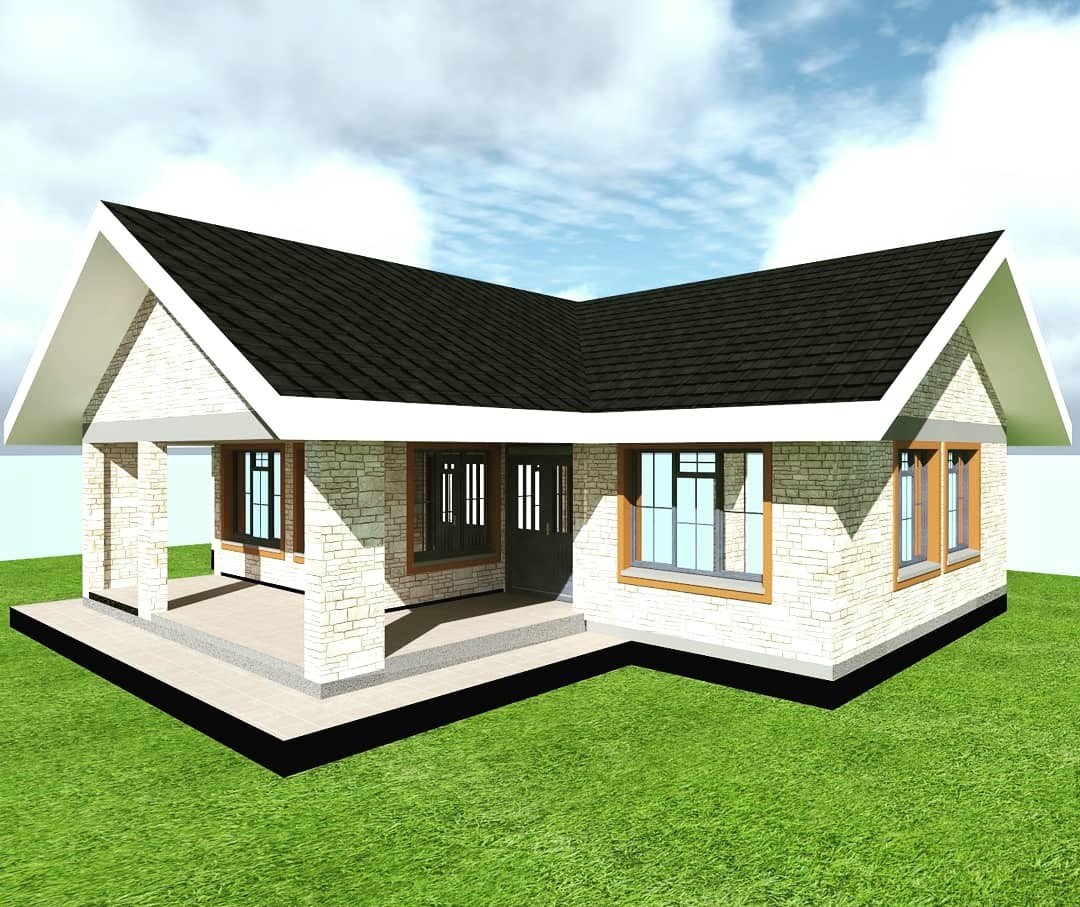
For this example, we will be taking the example of a 3-bedroom with a plinth area of 135 m². As I have indicated earlier, if you are building a 3-bedroom that is smaller or bigger than this, then expect prices to rise.
1. Framing costs
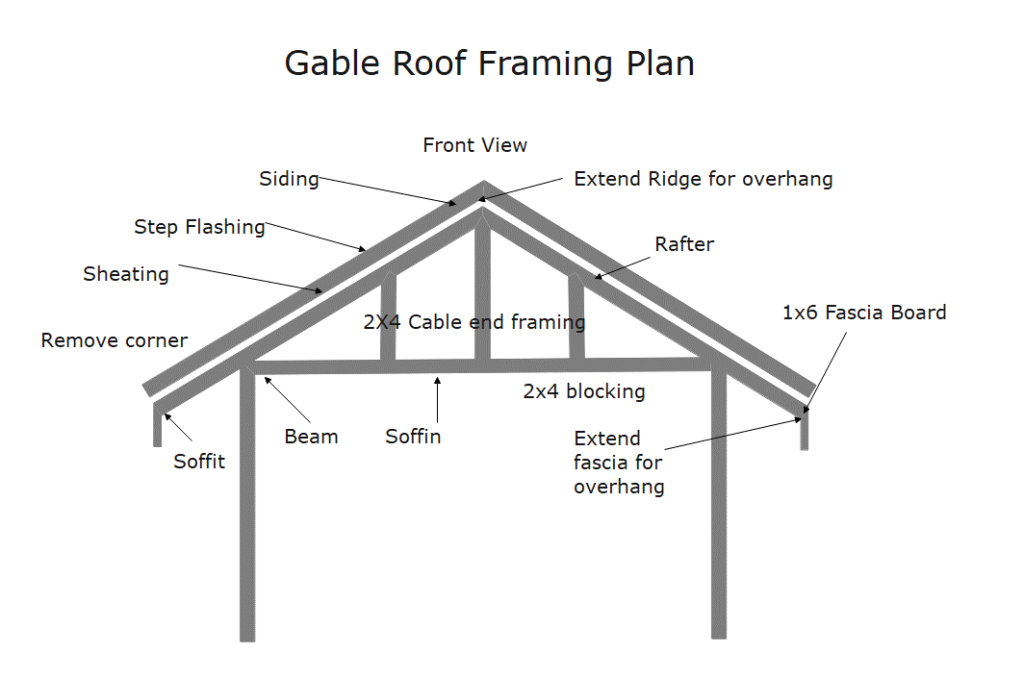
A roof frame, or what we call a truss, is the structure that holds the roof together. Think of it as the skeleton of the roof. For this particular part, we normally use timber frames. However, with technology advancing, some people have begun using Lightweight Steel Frames (LSF) for the same. For this example, we will assume the use of timber frames, and the type and cost breakdown is as follows:
Truss Part
QTY
UNITS
RATES
TOTAL
4” x 2” (Wall-plate, Ties, Struts)
3600
Fts
44
158,400
3” x 2” (Brandering Rafters)
3600
Fts
35
126,000
2” x 2” (Ceiling Joists)
2400
Fts
25
60,000
Framing Total
344,400
Frames are normally costed in the length of Feets used. So for you to be able to counter-check the costs, make sure the Feet and Rates per foot are quoted correctly by your contractor.
2. Roofing cover
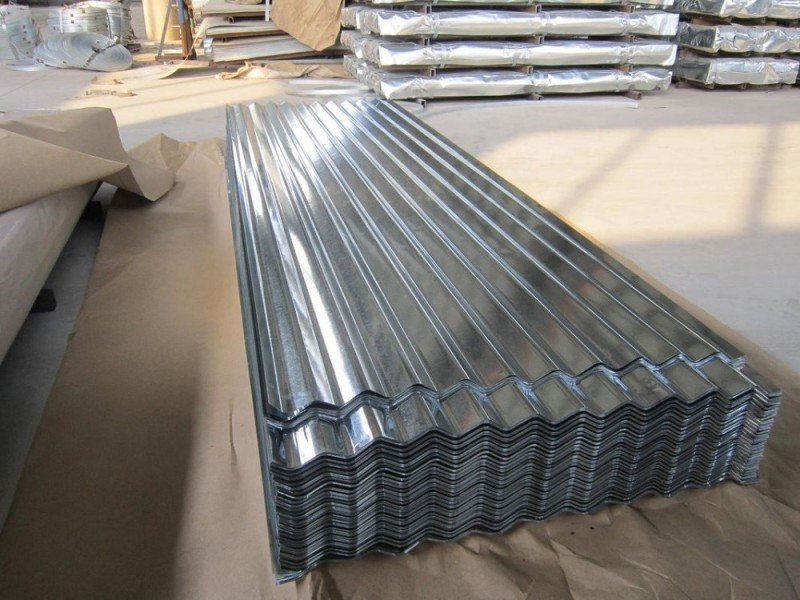
The roof cover includes all the roofing materials we discussed earlier. You could choose from several options, including Glazed Corrugated Iron sheets (GCI), box-profile sheets, and stone-coated roofs. Depending on the choice of cover, expect the prices to vary. For my example, I will be using GCI, which is one of the most affordable options out there. Remember to always source your materials from an authorized dealer or, if you are in a position, from the company itself.
Roof Cover
QTY
UNITS
RATES
TOTAL
28 Gauge GCI Roofing sheets (3m)
50
No
1200
60,000
28 Gauge GCI Roofing sheets (2.5m)
60
No
850
51,000
28 Gauge GCI Roofing sheets (2m)
30
No
650
19,500
Ridge Caps to match
35
No
450
15,750
Fascia boards (225mm x 25mm)
300
Fts
100
30,000
Roof Cover Total
176,250
3. Labor
In Kenya, most contractors will charge approximately 25% of the material costs for labor. Depending on your region, this figure may vary. I have seen some contractors charge 30% of the total material costs. That said, you need to be careful with the material cost, because if it is hiked and your labor is pegged on it, your total cost is going to be high.
Total from materials = 344,400 + 176,250 = 520,650
Labor being 25%; 0.25 x 520,650 = 131,000
4. Additional Costs
The total cost of your roof will increase based on additional items you may choose to add, such as gutters. Also include things like nails and a few tools for your fundi. This added to miscellaneous costs to include transport and delivery should add around about 3-5% of the total cost of the materials.