One of the unavoidable costs that comes with owning a house is definitely the electricity bill. And while most places have access to power, the cost of electricity has really gone up. I remember a time when my friend received a monthly bill of Kes 120,000 for his 3-bedroom home.
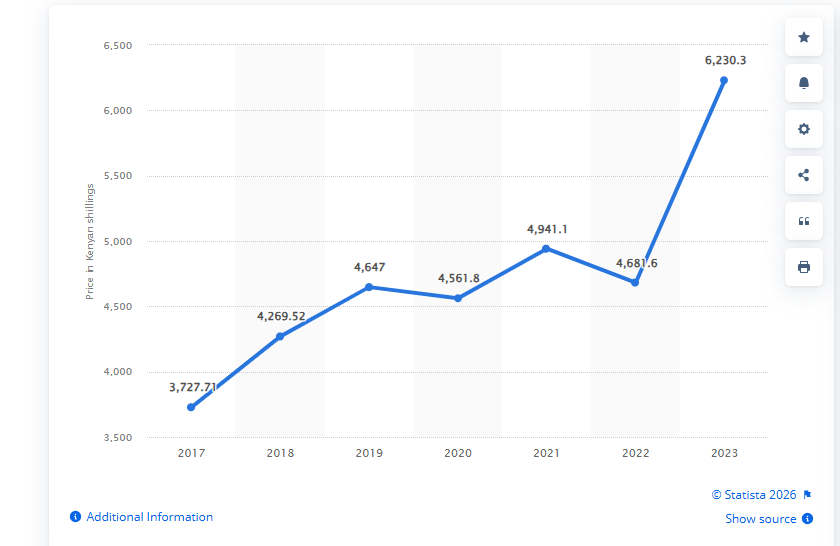
You see, the current state of monopoly in power companies as well as high demand for power has led to a spike in the cost of electricity. Reports suggest that the annual retail price of electricity has risen from an average of Kes. 3,727.71 in 2017 to Kes. 6,230.30 in 2023, nearly a double increase.
Moreover, frequent power interruptions and rationing have made Kenya’s power system to become undependable. It is for this reasons many Kenyans are turning to solar power for its cost benefits as well as dependability. In this blog, I will be focusing on a question most of you have been asking and that is the cost of solar in Kenya.
What a solar system consists of
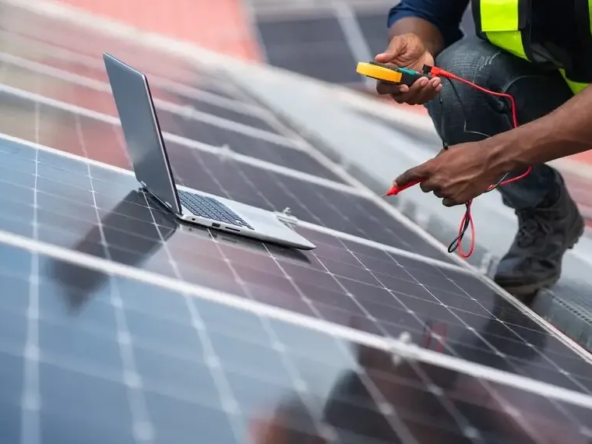
A functional solar system typically consists of 3 major parts. It is important for you to know this as it helps you assess your needs as well as know which components you need. With a solar panel, an inverter and a battery, you are all set to begin using solar.
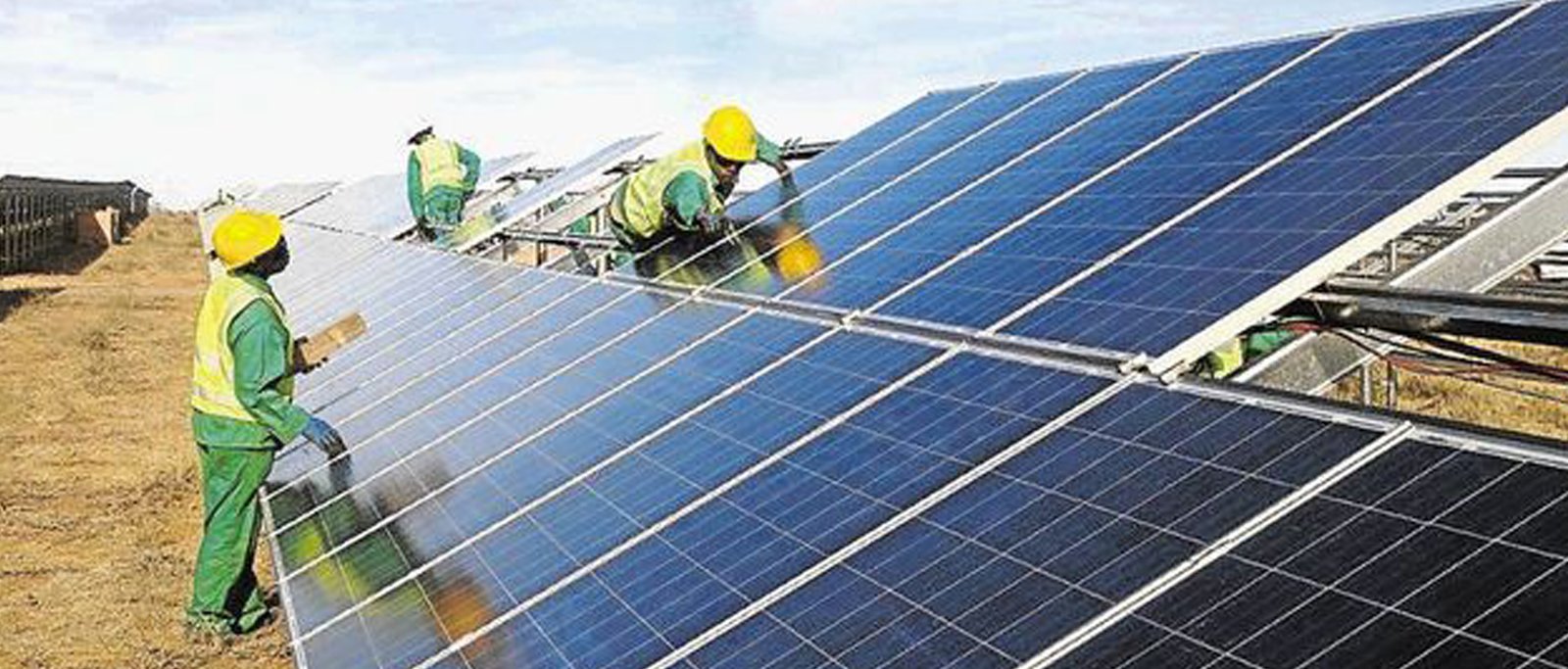
- A panel is what we see attached on the roof to capture sunlight and turn it into electricity.
- An inverter then converts the electricity into a form that your devices can use.
- Lastly the battery, stores the energy for use at night or when there is an outage.
Knowing the components will also help you better estimate the cost of installing a system. However, I recommend getting several quotes and comparing them for the value they offer. Make sure to involve an expert technician for such services to avoid the costs that come with poor installation.
How much does it cost to install solar?
If you are fully sold on the idea of getting a solar system for your home, then the next logical question is always on the cost. Before discussing costs allow me to be a bit honest, solar installation is a bit costly at the beginning. However, if you are able to get a well done and affordable system, the pay-back period should be about 3 – 6 years.
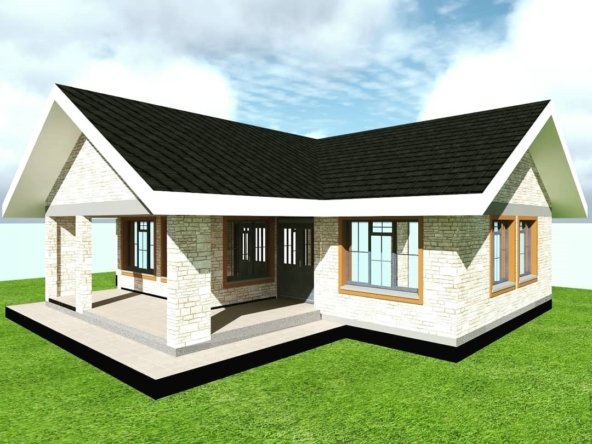
The cost of installing solar is not a one size fits all, meaning there are various factors that come into play before the final cost is arrived at. For the purpose of this blog, we will be costing a system for a typical 3-bedroom house in Nairobi.
Cost of installing solar on a 3-bedroom house
Before recommending a system that can work for you, there are some questions that must be answered to determine your household usage as well as the type of system to be installed.
1. What is the monthly household electricity usage?
Installers will first look at your daily and monthly power consumption. This can be in terms of how much you spend on power or the consumption. In our case, for a 3-bedroom, the usage is as follow;
- 10–20 kWh per day (moderate usage)
- 20–30 kWh per day (high usage)
2. What appliance are you using?
Another question focuses on the number and type of appliances you are using. The consumption for a person running a dishwasher, washing machine, a pump etc., will definitely be different from a person without either. Moreover, you might have two houses both using a washing machine but the brand is different and hence the power consumption will vary. What you should know is, the more power-hungry devices you have, the larger (and costlier) the system.
3. What type of system will you opt for?
There are three major types of systems that you could install;
- A Grid-tied system (no batteries) – cheapest
- Hybrid (solar + batteries + grid) – most common for homes
- Off-grid (solar + batteries only) – most expensive
For most Kenyan homes, a hybrid system is preferred due to blackouts. So back to our 3-bedroom example, let as use a hybrid system. This means that we will need a solar panel, batteries an inverter but we are still connected to the KPLC grid. After all these factors are considered, your installer will then come up with a system size. For a standard 3-bedroom house in Kenya we can have the following;
| Usage Level | System Size |
| Light–Moderate use | 3–5 kW |
| Moderate–High use | 5–8 kW |
Most 3-bedrooms average a size of 5Kw and from this we can now calculate the number of solar panels, battery storage etc., Based on our assumptions and what an average 3-bedroom will need, I have provided a clear breakdown below.
| Component | Specification | Estimated Cost (KES) |
| Solar Panels | 10–12 panels (450–550 W each) | 150,000 – 250,000 |
| Hybrid Inverter | 5 kW hybrid inverter | 120,000 – 250,000 |
| Battery Storage | 1–2 lithium batteries (5–10 kWh total) | 180,000 – 400,000 |
| Mounting & Wiring | Roof mounts, DC/AC cables, breakers | 40,000 – 80,000 |
| Installation & Labor | System design, installation, testing | 30,000 – 70,000 |
The total cost of such a system will run you in between 500,000 – 800,000. The cost may vary slightly depending on your location, additional features as well as your installer. Make sure you are using quality solar components and that your installer is well experienced. A small mistake might cost you a fortune and set you back years to recover your investment.
Frequently asked questions
1. How much does it cost to install solar in Kenya?
Installing a home solar system in Kenya typically costs between KES 500,000 and KES 800,000 depending on system size, components, and installation quality.
A typical 3-bedroom house in Kenya requires about 10–12 solar panels rated between 450–550W each to meet average power needs.
Solar panels in Kenya cost roughly between KES 150,000 and KES 250,000 for 10–12 panels used in a standard home system.