
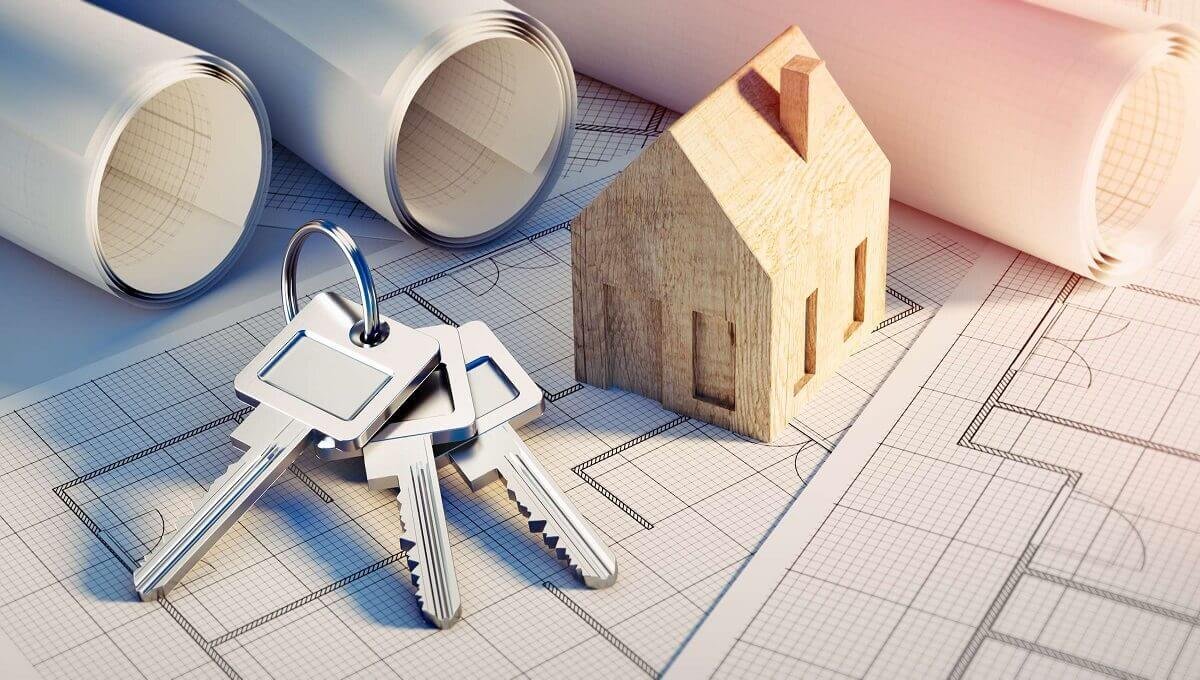
The off-plan model refers to buying a house that is not ready for occupancy. It could either be before groundbreaking or bought during construction of the unit.
This model is a great way of addressing the homeownership gap in Kenya. It has helped many people become homeowners in a very short period of time.
However, it has also led to a lot of pain. Especially where no due diligence is done by buyers.
How does off-plan buying work?
Off-plan house buying works differently depending on the country you are investing in. In Kenya the model is simple & works as follows.
A developer initiates a project that they envision to have apartments or residential homes.
They then invite all interested investors to purchase units. This is either before construction or during the construction phase.
You as the investor will agree with the developer on the agreeable payment method. And terms before signing a sales agreement.
Upon completion you get your unit, which you are free to occupy, sell, or rent out. Provided you finished paying your installments.
Why go off-plan?
I had a chat with a friend, and they gave me countless reasons as to why they would never invest in an off-plan project. If you subscribe to such a belief, allow me to change your mind with a few reasons why you should be thinking of going off-plan.
a. Flexibility in Homeownership
We all dream of owning homes in top-of-the-range areas such as Kilimani and the like. However, the cost of land alone there runs into the hundreds of millions. This definitely makes it hard for people like you and me to own a home in these parts.
By opting to purchase an apartment off-plan, you actually get to own a home in such a posh area at a low entry cost.
What I advise is that if the cost of developing a unit, inclusive of land in a given area, is too expensive. Then off-plan in that locality is the way to go.
b. Flexible payment
It is hard for many of us to have saved up tens of millions to buy a house or invest in one for that matter. The upfront cost of constructing a home becomes a barrier to many Kenyans wishing to own their homes.
To top it all off, the knowledge gap in many Kenyans regarding construction has given rise to quacks. Off-plan house buying provides a tailor-made solution for such hurdles.
By requiring you to make a small initial investment, the developer makes it easy for you to buy at a low price. If you get in early, then prices are usually 15%–25% lower. They then structure for you a payment plan that is either monthly or by milestones that suits your payment ability.
Moreover, the involvement of professionals in the project means that quality is assured in most cases. Hence the burden of getting duped by quacks is out of the picture.
Let us paint a quick example:
For instance, we have a house in Kilimani going for 10,000,000, and the developer asks for a 10% deposit, which is roughly 1,000,000 shillings. Then over the next 24 months, you are required to clear the 9,000,000 balance, which translates to around Ksh. 375,000 each month.
This price breakdown is what makes it easy for most upper-middle-class home buyers to get a chance at home ownership.
c. Easy to customize your home
They say east or west, home is always the best. In the same spirit, I believe a home should be a reflection of your personality and who you actually are.
For this very reason, off-plan developers have made it easy for you as the home buyer to get a chance at giving your dream home a personal touch.
If you love open floor plans, then you can have it. If you prefer the color of your master bedroom to be green, they’ve got you. This is obviously different if you were to buy an already finished house, which would actually be costly to customize to your preferences.
d. Less stress in managing a construction
For anyone who has ever had a construction project going on, you can agree with me that it is one of the most stressful undertakings. Worst of all is that you stand to lose a lot of your money and time if you are not well-versed in the construction field.
If you are too busy to supervise and coordinate your own project, then off-plan projects are the best fit. Here you get the advantage of having a full-project team working on a project that you are part of.
And best of all is that you don’t lose your sleep because the fundi has done X while he was to do Y.
e. It is a wise investment.
We all talk of investments in our various circles and how you can squeeze your few coins to give your passive income. An off-plan project actually provides you with the opportunity of making a good return. You, however, need to do your homework on which projects you buy into.
This is because buying a house at the first stages is actually cheaper compared to when the unit is complete. So if you were to buy a house before groundbreaking at 7 million. And after the two-year construction period it sells for about 9–10 million, then you have made a great investment.

Do’s and Don’ts in Buying Real estate off-plan
Having convinced you to consider off-plan house buying. There are a few areas that you need to check before investing your hard-earned money into these projects. Let’s find out.
Do’s in Off-plan buying
a. Due diligence
This is your hard-earned money. Make sure you don’t leave any stone unturned when doing your research. Check who your developer is and what their history is. Do they have projects that they delivered? If they are, go and talk to the occupants.
I suggest getting a professional in the field to guide you on this.
You can check more details in our other article
b. Invest in Prime Locations
Like I told you, the reason why most people buy off-plan is because they can’t afford to develop there from scratch. With that in mind, always invest in rapidly growing areas with demand. Regardless of whether you are buying to live there. Remember that real estate is an investment. And you should ensure you get the most bang for your buck.
c. Involve Professionals
During the entire process, from due diligence to signing agreements. You will definitely need a number of professionals. From lawyers to real estate agents, you need to consult widely to ensure you understand what you are getting yourself into.
d. Plan your finances.
Ensure that you have a clear plan on where you will get funding. Remember after you sign the sales agreement, which is legally binding. Any forfeited payments can be legally followed up. What you want to avoid is paying halfway. In many cases, you might lose your entire investment.
Don’ts Off-plan buying
a. Miss payment
Failure to pay any monthly installment can easily land you in trouble. That is why you need a plan for such a purchase. Secure either a mortgage or pay for it in cash.
b. Sign anything you haven’t understood.
Many people are ensnared in contracts because they signed without reading. Don’t be such a person. Before you sign any document, have a competent property lawyer go through it. This might save you from some unfriendly clauses set by some developers.
Frequently Asked Questions (FAQs)
The off-plan model refers to buying a house that is not ready for occupancy
Off-plan refers to buying property before or during construction, while on-plan (or completed property) involves purchasing a fully built and ready-to-occupy unit.
The off-plan completion date is the agreed-upon day when the developer is expected to finish construction and hand over the property to the buyer.
After the completion date, the buyer takes legal possession of the property, settles any remaining fees, and can move in, rent out, or sell the unit.
The property developer or seller typically provides the completion date, agreed upon and documented in the property sales agreement.