The real estate and construction industry contributes around 15% to the Kenyan GDP. The split is often 10% real estate and 5% construction. However, these two industries are symbiotic and hence why they are grouped together. In recent years, the sector has been on a decline following a culmination of factors such as high interest rates, a sluggish economy and politically associated set-backs. The results of the decline have been felt in other parts of the economy including banking, where (Non-performing Loans) NPLs linked to the sector hit a high of 97.9 Billion in 2025.
Seemingly, job opportunities have also faced a slowdown based on the contraction. However, in 2026, the industry has begun making a return following a mix of Government policies, alternative financing and use of technology to mitigate costs and inefficiencies. In this article, I will be doing a SWOT analysis of the Real estate and construction industry to provide you with an objective view that you can use to make informed decisions.
Metrics used to gauge activity in the sector
1. Amount of cement consumed
Cement consumption is a primary proxy for real construction activity because it directly reflects the volume of ongoing building and infrastructure works; when cement demand rises, it signals increased project execution, while a decline indicates slowdown.
Period
Cement Consumption (Tons)
Notes
Q1 2024
1,940,000
-12.7% (vs. Q1 2023)
Q1 2025
2,340,000
+20.7% (vs. Q1 2024)
Q1 2026
938,012 tons consumed in January alone
2. Value of building approvals
This metric is used as a forward-looking indicator because it captures planned construction activity before projects begin; higher approvals suggest a strong future pipeline, while declines indicate upcoming contraction.
Period
Value of Approved Building Plans (KSh Billion)
Year-on-Year Change
January 2024
14.02
—
January 2025
10.17
↓ 27.5%
3. Sectorial contribution to GDP
This metric measures the sector’s overall economic importance and performance, showing how much value construction adds to the national economy; it is key for understanding macroeconomic impact.
Year
Construction Sector (% of GDP)
Real Estate Sector (% of GDP)
Total Contribution
2024
6.72 %
6.79%
13.51%
2025
6.1%
8.2%
14.3%
4. Non-Performing Loans (NPLs)
NPLs are used to assess financial health and risk within real estate and construction, as rising defaults indicate stress among developers and buyers due to factors like high interest rates or slow property uptake. In Kenya, while exact sector-specific figures fluctuate, the construction and real estate segments have been part of the broader banking sector strain in 2024–2025, with elevated NPL levels driven by tight credit conditions, reduced project cash flows, and slower property sales, signaling increased financing risk in the sector.
5. Real Estate Price index
Property price trends are used to measure market demand, investment attractiveness, and asset value growth, helping investors gauge returns and market cycles. In Kenya, the real estate sector remained relatively resilient, with continued activity and GDP contribution of 8.0–8.1% in 2025, and steady growth in transaction activity and development value (e.g., KSh 364.6 billion sector output in Q2 2025, up from KSh 339.2 billion in 2024), indicating stable to moderately growing property prices despite construction slowdowns.
Real Estate Market SWOT Analysis
1. Market Strengths
Declining interest rates evidenced by a CBR drop to 9.50%. Being the baseline rate that controls bank borrowing rates, it has boosted investor appetite for debt which is used to expand the sector.
Government push for Affordable Housing makes the sector bullish. This has led to many investors see the directive as a confirmation of sectorial performance and increases investment in the area.
Positive demographics i.e., positive urbanization rates and increased population growth which fuel the demand side of real estate.
Major infrastructure projects that catapult real estate projects. A good rule of investing in real estate is investing where the government is investing. Projects like the Mau-Summit road are bolstering investor confidence.
The stable shilling has ensured price stability seeing that many of the raw materials and fixtures in the sector are imported.
2. Market Weaknesses
Costly construction inputs which are largely imported. The unpredictable taxation regime has also not been quite favorable of this price stability.
The overall economy has not been doing well and this has led to sluggish sales as well as a low absorption rate to most projects.
Over-reliance on some sectors such as commercial real estate on Foreigners. Dip in Gigiri commercial office space market as it was highly leveraged on U.S based NGOs.
Poor building law enforcement has led to several building collapses which puts less confidence on enforcement agencies like NCA.
3. Opportunities in Real Estate
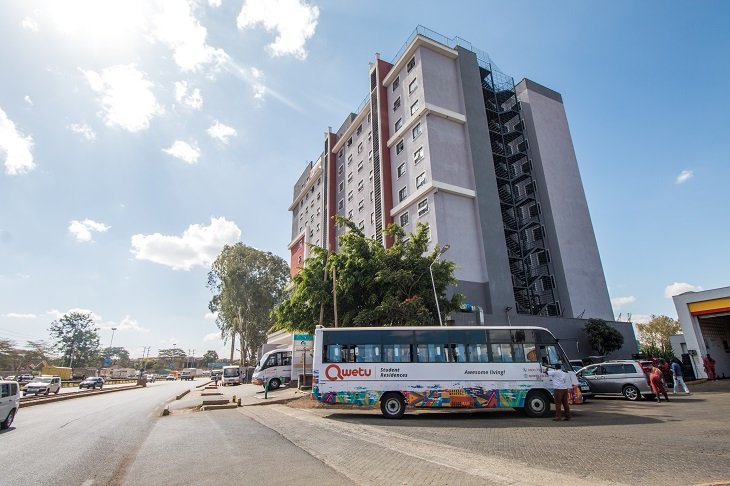
Thematic real estate is proving to be the best performing. i.e., student housing, data centers and starter homes.
Alternative forms of financing, mainly patient capital from pension funds and asset managers. Opening the conversations for a structured way of doing bankable real estate projects.
Sustainable real estate is proving to be both rewarding for investors owing to the demand as well as environmental friendly.
A huge opportunity lies in the urban rental market following an increase in overall demand especially in urban areas.
An increasing use of technology as an enabler of the sector. With AI and other powerful technologies coming to the forefront, the construction sector stands to benefit largely from adopting them in their workflows.
4. Market Threats
Policy uncertainty following the upcoming 2027 general elections. Being over an-year to the elections, the political climate is getting quite charged. This makes investors adopt the “wait and see” approach, slowing down project.
Forex risks, this is despite the Kenyan shilling appearing relatively stable. Many international warnings have been sounded over the peculiar nature of our exchange rate citing government manipulation.
Delays in critical infrastructure delivery have led to slowed growth in the sector. Investors who have planned along these completion timelines get discouraged when projects stall.
Overall Sectorial Outlook
1. Bullish on residential real estate
The residential market has proven resilient especially in urban areas. Considering the fact that 88.8% of Nairobi’s 1.66 million households are renter. With an average rent of Kes 12,000 per month, this translates to around 18.4 Billion in monthly rents or 220 Billion annually, a big opportunity for developers.
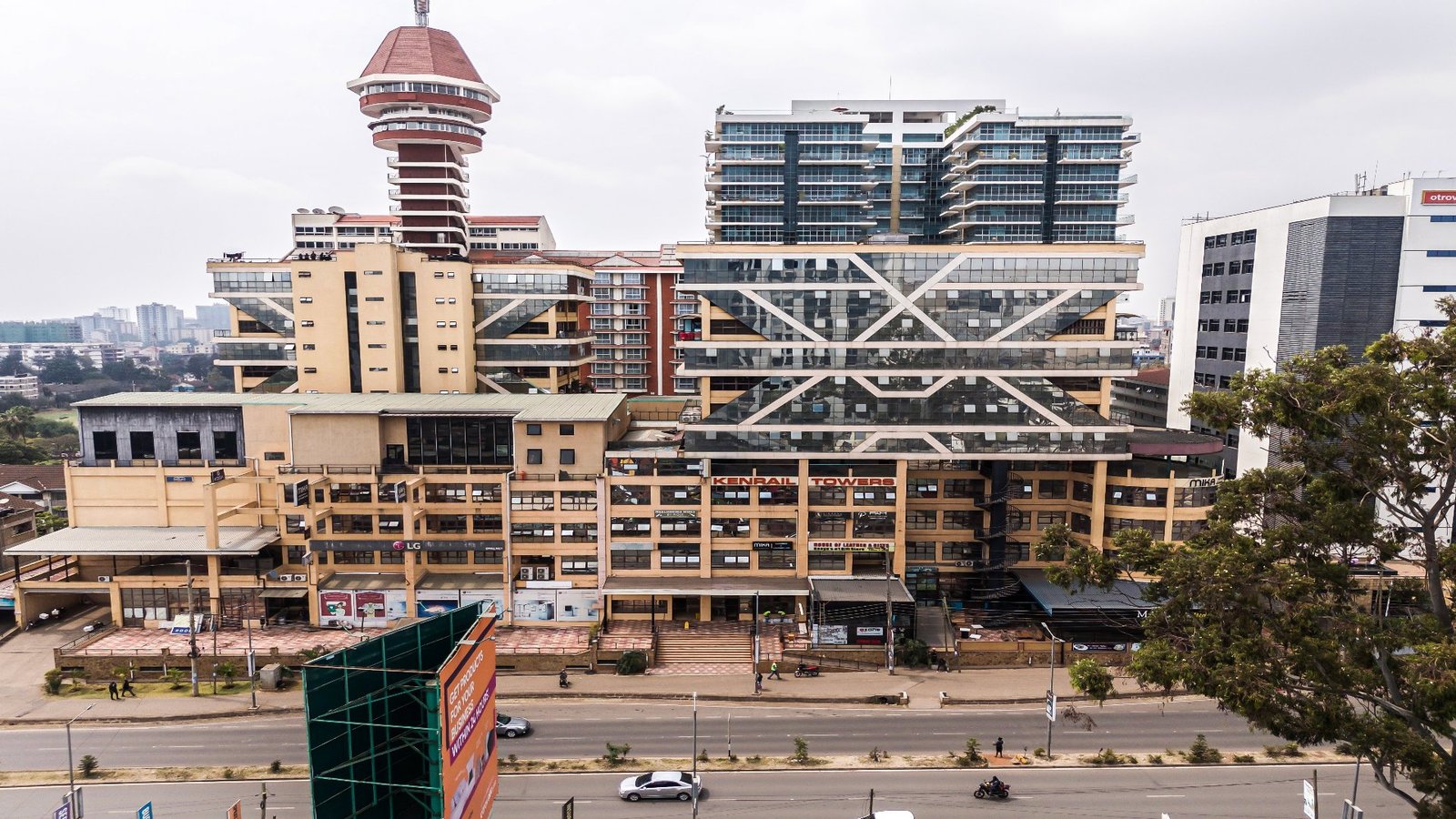
2. Neutral on Commercial Real Estate
The oversupply in the sector of close to 0.6 million SQFT and a further decline due to dependence of international organizations. The output of the sector is also slowing down drastically with only an addition of 0.1 million SQFT being committed to by investors in 2026.
3. Pivoting to Creative Financing
Developers have begun pivoting away from vanilla financing stacks to a hybrid model involving creative finance solutions like; Private placements, REITS, Green financing and Islamic financing (like Sukuks). The push is in a bid to find lower and more patient capital which resonates with the pace of returns in the sector.