
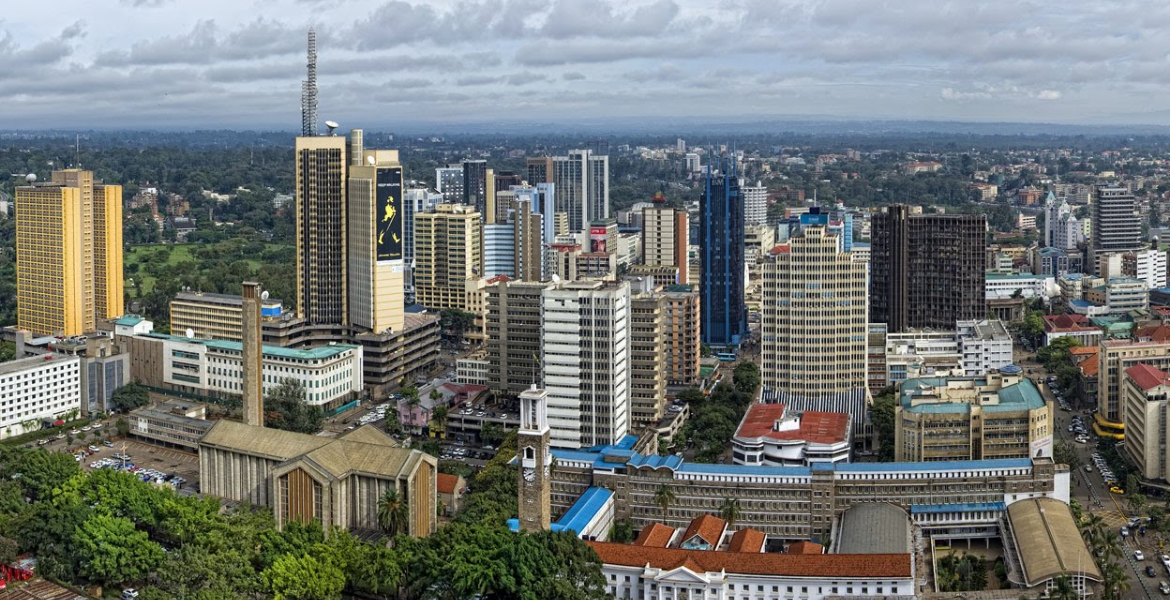
Nairobi’s population is seeing a sharp growth. This growth is primarily due to the abundance of job opportunities, robust infrastructure, and convenient accessibility. This has made many people urbanize, and with that comes a sharp demand in housing. Over time, this increased demand has led to price increases that have priced out many people from buying land within Nairobi. Moreover, the ‘overbuilding’ has led to reduced land sizes. Rents have also been growing, as many suburbs and areas within Nairobi are charging premiums.
This high cost of land and congestion has pushed many people to areas outside Nairobi. These areas are what we call satellite towns. The affordable land and rent prices, well-developed infrastructure, and larger lots have been pushing many people to these areas. In this article, we will be analyzing the reasons behind this growth. The price trends in the satellite towns as well as the opportunities available for investors.
Why Satellite Towns Are Rising
As previously mentioned, satellite towns have been experiencing growth for a variety of reasons. But several of them have contributed to this growth in a significant way.
1. Urban Congestion
Nairobi currently has over 4.8 million people in 2024. With a size of close to 700 km², the average population density is at 7,000 people per km². This means that most places are built up beacon to beacon and have become overcrowded. When such big populations are not well controlled, it could lead to issues like poor waste management and increased crime rates. If you pay attention, you will notice that Nairobi is experiencing all of these issues along with poor quality housing.
Satellite towns, being less crowded, offer land that is way bigger to develop. And most have a decent population that is easy to serve. As a result, the quality of life in these towns has progressively surpassed that of urban areas and has attracted many people.
2. Infrastructure improvements
The new infrastructure in most satellite towns has largely contributed to their rapid growth. Transport hubs like the Eastern Bypass, the Expressway, and the Southern Bypass, as well as the Northern Bypass, have opened up these areas relatively fast. If you work in CBD, then commute times are much shorter. Also, other infrastructure like sewerage & electricity access has attracted developers. And with the large tracts of land, they are able to do well-master-planned gated communities.
3. Lifestyle Factors
Another factor we can’t ignore is that of lifestyle. Many people nowadays are searching for a place that offers more than just a place to live. Clean environments, safe spaces, and community living are being factored into many people’s house-hunting wish lists. And with many jobs offering people remote working options, the need to squeeze into Nairobi’s neighborhoods that offer low quality of life is not that great.
4. Economic Factors
Lastly, high housing prices are pushing many people out of the city. Affordability is a major issue of concern, especially in urban cores like Nairobi. Drawing the case from a macroeconomic lens, wages are not growing as fast as costs are.
The result means that rents and other costs have grown faster than many people’s salaries. This has led to many people having less in the bank after they pay rent. Finding housing that can save you Kes 3,000 per month without compromising on quality is a game changer for many middle- to low-income workers.
Key Satellite Towns Around Nairobi
We have about 12 towns that we could classify as being satellite towns currently. With time, we are bound to see more areas pop up as population in the city balloons. Our categorization of satellite towns is majorly by direction and region as shown below;
| Region (Direction from Nairobi) | Areas / Towns Covered |
| East of Nairobi | Ruai, Joska, Utawala |
| South of Nairobi | Kitengela, Athi River, Syokimau |
| North of Nairobi | Ruiru, Juja, Thika |
| West of Nairobi | Kikuyu, Limuru, Ngong |
1. Ruiru
Ruiru majorly began as an industrial town just like Thika in the early 2000s. However, it has experienced its fair share of growth after the construction of the Thika Super Highway. Ruiru offers a strategic location for businesses and industrial parks that have brought employment. Moreover, it offers affordable rent and bigger lots. Land prices range from 1,000,000, with rents being as low as Ksh. 7,500 for a bedsitter.
2. Athi River
Athi River is another town witnessing a lot of growth, especially from the industries set up in the area. Companies like Savannah and Bamburi Cement in the area have led to mass employment. Moreover, the many export processing zones have given people a big reason to move there.
As a developer, Athi River gives you large parcels of land at affordable prices, with an acre setting you back Ksh. 8 million per acre, which is cheaper compared to other industrial nodes of Nairobi. Moreover, gated estates in Athi River have made it attractive to the working class, who get larger units as well as community living.
3. Kitengela
Kitengela is probably the fastest-growing satellite town in Kenya. Going back about 10 years ago, you begin to appreciate this growth. The locality offers very affordable residential plots at as low as Kes 600,000. The developed roads and power supply make it easy for people to move into the area.
The expressway has been a game changer, to say the least. The fact that in just less than 30 minutes you could be in Westlands from Kitengela has certainly led many formal workers to move to the area. Moreover, the size & price of standalone units has attracted families that need space, privacy, and affordability.
For more information, you can check out the Kitengela Neighborhood guide linked below.
4. Ngong
Ngong is famous for its hills and breathtaking landscapes. If you are a sucker for green spaces and a chill, lush neighborhood, Ngong can offer you just that. To most people, it gives you a ‘Karen’ environment without Karen prices.
The fact that it is also accessible to Nairobi CBD has made it a city bedroom without having to compromise on quality of living. Nonetheless, prices in Ngong are soaring, with an acre going for over 12 million, and rents have also been rising fast along.
5. Juja
Juja is another rapidly developing town located just 34 km from Nairobi CBD. The town hosts a couple of higher education institutions. The most popular being Jomo Kenyatta University of Agriculture and Technology (JKUAT). Owing to this, Juja has a large population of young people either working or schooling in the area. Investors in the area make good money on hostels and student accommodations. The Thika Superhighway has also made connectivity easy, and with the infrastructure upgrades, property prices are constantly on the rise.
6. Thika
Thika is an old administrative town that is 45 km from Nairobi CBD. The town, which began as a bustling industrial area, is known for its bustling local economy. The good thing about Thika is that it combines residential, commercial, and industrial zones. This creates a self-sustaining ecosystem where workers get places to stay near their workplaces. Thika is also very family-friendly, and if you are on the hunt for a cool area with bigger lots and a conducive environment for your kids, then Thika might be for you.
7. Syokimau
Syokimau lies 19 km from Nairobi CBD and has become a very popular suburb for middle-income Nairobians. Many residents seek an alternative area to avoid Thika Road traffic issues during peak hours. The expressway connecting to Syokimau, the Standard Gauge Railway, and the Nairobi-Mombasa highway has made it an attractive residential and commercial epicenter. If you are a developer, modern gated communities in Syokimau are thriving, and the land prices don’t appear to be slowing down anytime soon.
8. Kikuyu
Kikuyu has largely been a rural-like area for a very long time. However, as Nairobi prices have grown out of the reach of most people, Kikuyu’s proximity to the CBD, its lush environment, and its rural charm have reeled in lots of people. With these factors in play, Kikuyu has seen rapid transformation over the years to a residential area. Land and property prices are still on the rise. And with the expansion of the Southern Bypass, this trend is not going to stop anytime soon.
9. Limuru
Limuru is perhaps my personal favorite, save for the cold temperatures at times. The area is about 35 km from Nairobi CBD, and what makes it stand out is the blended cool climate, scenic landscapes, and lush vegetation. Over the past years, Limuru has attracted some high-profile developers like Tilisi Development. Who has been doing high-end development in the area?
My prediction is that over the next few years Limuru will grow into a very prime real estate market. The expansion of the Nairobi-Nakuru highway will significantly contribute to this growth. The growing population, upcoming institutions, and growing infrastructure are all catalysts for the massive transformation we are yet to see.
Frequently Asked Questions
1. What are the satellite towns in Nairobi?
Satellite towns in Nairobi include Ruiru, Kikuyu, Kitengela, Thika, Syokimau, Limuru, Utawala, Ngong and Athi River.
A satellite town is a smaller town located near a major city that supports it residentially and economically.
Kenya has over 20 recognized satellite towns around its major cities.
The fastest-growing towns in Kenya include Juja, Ruiru, Kitengela, Athi River, and Ngong.
Nairobi is currently the fastest-booming city in Kenya.
Most expats in Kenya live in Nairobi’s areas like Westlands, Karen, and Runda.