Defining Sectional Property
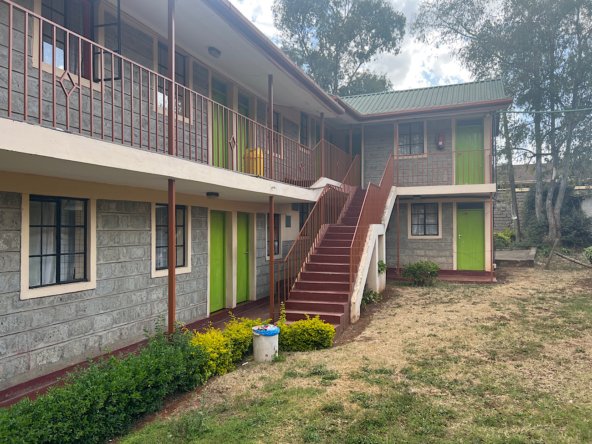
Sectional property refers to a unit that is part of another larger unit. For example, an apartment that is part of a block. It could also include a maisonette or bungalow that is part of a development.
For those buying apartments, this topic is a must-know for you. It could depend a lot on how you enjoy your property. The Sectional Property Act was amended in 2020. This was under the regime of former President Uhuru Kenyatta. It ended up opening opportunities in real estate development like never before.
Historical Context & Legal Framework
Initially, when buying sectional property, the developer would only sell it as a lease. The then Sectional Properties Act, 1987, had most transactions based on long-term leases. A seller of such units would create a charge against the mother-title deed and put your name and ownership as an encumbrance on the title.
However, this had several loopholes. The developer would go and transact with the mother-title deed. And when they defaulted on the debt, the buyer’s property would be auctioned regardless of them having paid for their unit. The 2020 amendment was important as it aligned these issues with the Land Registration Act 2012 and the Constitution 2010.
Such an instance happened back in 2024, when Great Wall Estate in Athi River had some of its already sold units auctioned. This was following the default of the developers on a 1.9 billion-shilling loan from KCB. What was sad is some units had already been bought by investors. And they had to let the bank auction them when clearly it was the developers’ fault.
For people who had bought such units in the past. The law now requires the conversion of older apartments from leasehold to sectional titles. This must be done by a registered surveyor.
Process of Creating Sectional Titles
The application for sectional titles is done by the developer seeking to sell units under this new way of doing things. The process is easy but will require the use of professionals to streamline everything.
1. A registered surveyor is required to prepare a sectional plan. This plan is lodged with the Lands Registry.
2. The mother title is then subdivided into individual units, each with its own deed. After which the original mother title is closed.
3. Each of the units will get a title depending on the designation of the original title. If the mother title was a freehold, the sectional titles become freehold. If the land was on leasehold, so do the titles.
4. An Owners’ Association is automatically created upon registration. It is responsible for the common areas.
Conversion deadlines and penalties for developers who fail to comply are then set. As buyers, you could also initiate a process to have the developer convert from leases to sectional titles.
Impact on kenyan Real estate
Having seen a clear case of what happens when no sectional title deeds are issued, I hope you now see the importance of one. Ever since the inception of the Sectional Property Act in 2020, investors have become more trusting with off-plan developments. The fear of losing your unit due to a developer’s carelessness was eliminated.
This marks a step closer to tighter regulations that are needed if we are to see more investment in the sector. Both locally and from foreign direct investors. In your due diligence phase of property buying, make sure the unit has its individual sectional title deed. And not one that is on lease.
Characteristics of sectional properties
Sectional property has several characteristics that are unique to it. Knowing these distinctive features will help you know if you are comfortable investing in such a unit or not.
i. First of all, each unit is treated as an individual unit, and you can use the title deed for transactions or as security for a loan.
ii. Two is that your common areas are shared. The kids’ play area, parking, and the paved roads. All of which users have equal rights over. Meaning that owners of the units become automatic co-owners of the common areas. Sharing the responsibilities of keeping them usable, and that is why service charges are common in such developments.
iii. Sectional properties have owners’ associations. They are formed when the developer registers for such a development. The association is comprised of all the owners of the units.
iv. In the event of a lease staked on the property, reversionary interests apply. This means that when the unit leases expire, the ownership reverts back to the mother title. Unless the lease is renewed.
v. The units are managed by the association, which can set rules and challenge those who break them. This means that regardless of being the owner of your unit, there are some modifications or changes you might make that may break the rules. Most important of all, make sure you go through all the rules, as signing the agreement is a binding decision.
vi. All owners have equal voting rights in the decision-making process. So if a decision is made and you are not comfortable with it but the majority have signed it off, little can be done.
Advantages of sectional properties
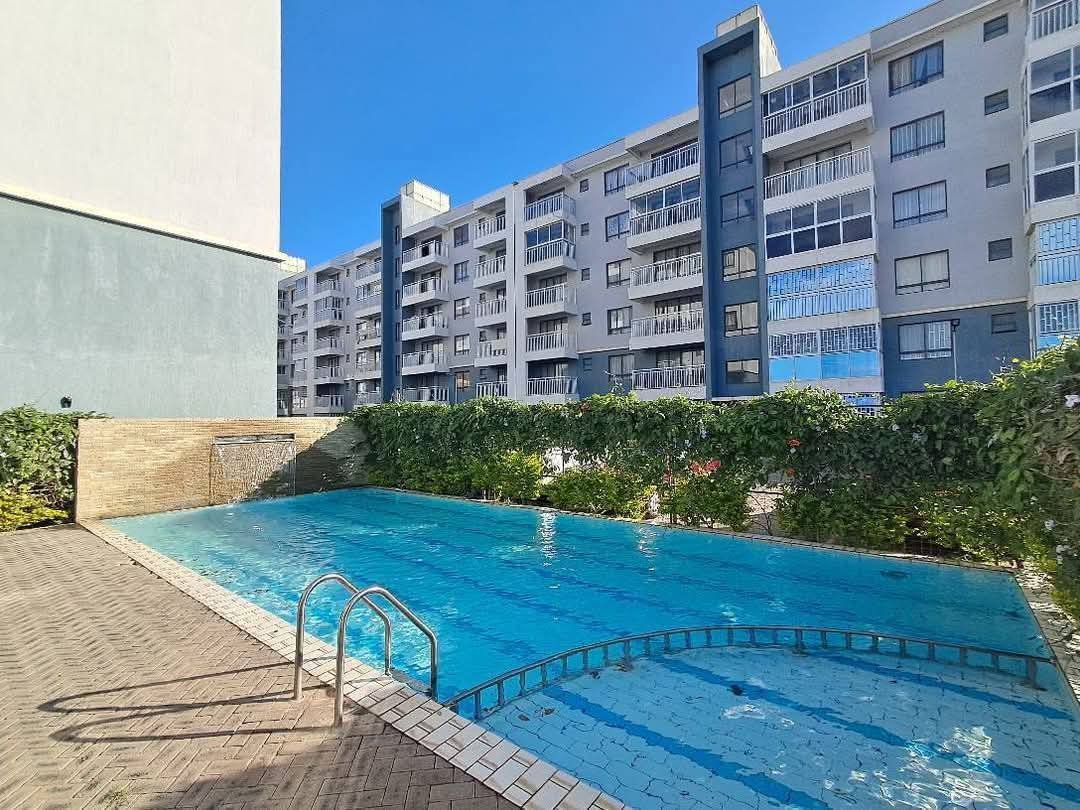
Access to amenities that you otherwise wouldn’t be able to afford singly. The pooled financial resources help owners enjoy facilities like pools at very low rates.
When everything is clear and done transparently, you get to enjoy community life. I don’t know about you, but living in the middle of nowhere alone is not my cup of tea. We all cherish being part of a community, and this makes such properties quite attractive.
With good and sound management, you enjoy clean and well-kept common areas. This elevates the standards of living in a place.
Sectional properties hold on to their resale values quite well. Especially for townhouses and such standalone developments. Apartments may go up slightly depending on how the area grows.
Disadvantages of sectional properties
High service charges may eat into your profits if you bought the unit as an investment. With charges ranging from between 3,000 and 15,000 for most developments, you might end up with reduced rents at the end of every month.
What you do with your property needs approval from the association. So if you wanted to do an Airbnb where laws prohibit such, then you are barred. Essentially, your ownership is limited.
Apartments might not have strong resale values compared to standalone units, as the majority of appreciation in real estate is on the land. Unless the value of land or standards of living in the areas go up. If, say for instance, your view is blocked by another development, which is quite common, then your unit’s value and appeal to renters go down.
Due diligence tips for buyers
Always confirm that the development has been converted to sectional property. This can be done at the Lands Registry.
Ensure the Owners’ Association is registered and active. Without one you might not enjoy the quality of life within the development.
Verify service charge structures and past disputes. Some buyers don’t check the service charge and end up complaining it is too high.
Confirm whether the developer has any encumbrances on the mother title before transfer. Things like loans against the original title may affect your ownership in the future.
Frequently asked questions
1. What is Section 17 of the Sectional Properties Act?
It requires that a corporation (Owners’ Association) is formed once the sectional plan is registered.
A registered surveyor prepares a sectional plan that is lodged with the Lands Registry.
It emphasizes on convening of meetings of the Corporation
A Corporation may contract a management agreement when its board is comprised of persons who were elected to the board while the majority of units were owned by the developer.